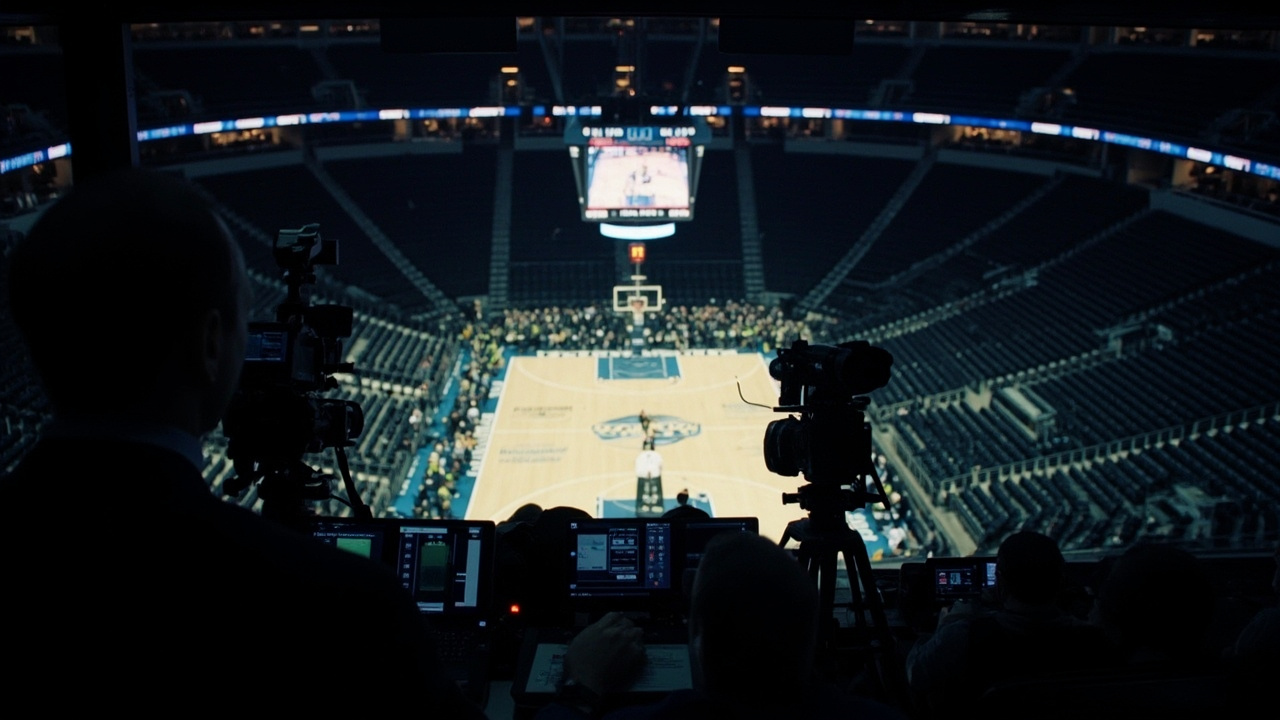
The men's NCAA Tournament crossed $1 billion in broadcast rights revenue this year. CBS and Turner Sports are paying $1.02 billion annually for the right to broadcast March Madness -- the first time the tournament has cleared that threshold. [1] The number represents year two of a deal that runs through 2032 and has turned the tournament into the most valuable recurring sports property in American television outside the NFL.
The women's tournament is valued at $65 million per year. [2]
The ratio is approximately 15 to one. It has been the sport's defining financial fact for years, discussed and documented and deplored and defended, and it has not changed in any fundamental way since the women's deal was renegotiated in 2025 -- which doubled its previous valuation but left the gap intact. Sunday's championship game, which UCLA won 79-51 in the third-most lopsided final in tournament history, will add new urgency to the conversation. The game is expected to have drawn the largest television audience in women's college basketball history, following a trend line that has been pointing upward for three consecutive years.
The Deals and Their History
The men's tournament deal with CBS and Turner was extended through 2032 and now pays over $1 billion annually. The contract was signed in 2016, when March Madness was already the most valuable annual sporting event in television. The escalator built into the deal has pushed the annual rights fee above $1 billion for the first time in 2026. [1]
The women's deal, announced in 2024 and now in its second year, pays ESPN $65 million per year through 2032. [2] The new deal was celebrated as a watershed when it was announced, and it was: the previous agreement paid closer to $34 million annually, meaning the new deal roughly doubled the valuation. The NCAA framed it as progress.
Progress is a useful word when you do not want to say the gap is still 15 times wider than the men's deal and the product on the floor Sunday drew more viewers than any women's game in recent history. The women's tournament has generated record advertising revenue -- ESPN reported its women's tournament ad sales reached new highs this year, with pricing up double digits year over year. [3] The question of whether the current contract captures the actual market value of the women's tournament is becoming easier to answer, and the answer is no.
What the Numbers Actually Mean
The financial gap is not simply a matter of historical rights deals locking in outdated valuations. The deals both run through 2032. The men's deal will earn incrementally more each year through escalators. The women's deal is fixed. The market for women's basketball will continue to grow -- the WNBA is expanding, the Caitlin Clark effect has moved from phenomenon to institutional presence, and Sunday's championship game proves the product can deliver the audience.
The schools receive a share of these broadcast revenues through what the NCAA distributes as "units" earned during tournament play. Men's tournament units are worth significantly more than women's units, which compounds the financial gap into recruitment, facilities, and program investment. [4]
The NCAA has pointed to non-broadcast revenue sources -- corporate sponsorships, ticket sales, merchandise -- as evidence that the women's tournament's economic value is rising across all categories. This is accurate. It is also incomplete. The broadcast rights deal is the anchor of the financial structure. Everything else is built around it. A $65 million anchor in a $1 billion neighborhood produces the facilities and resource gaps that women's programs have documented and litigated for years.
After Sunday
The championship game is the best advertisement the women's tournament has for the next rights negotiation, which will occur as the 2032 deadline approaches. UCLA's dominant performance, Cori Close's story, Dawn Staley's gracious postgame, and the record television audience expected from Sunday all go into the dossier that whoever negotiates the next deal will carry into the room.
The $65 million number will not survive contact with that room unchanged. The question is whether the next deal narrows the gap or simply doubles the valuation again while leaving the ratio intact. Doubling $65 million produces $130 million. Doubling $1 billion produces $2 billion. The ratio does not move unless the negotiating structure changes.
That is the business problem underneath the sports story. UCLA won by 28. The audience was there. The money is not yet proportionate to what the audience is telling the market.
-- AMARA OKONKWO, Lagos