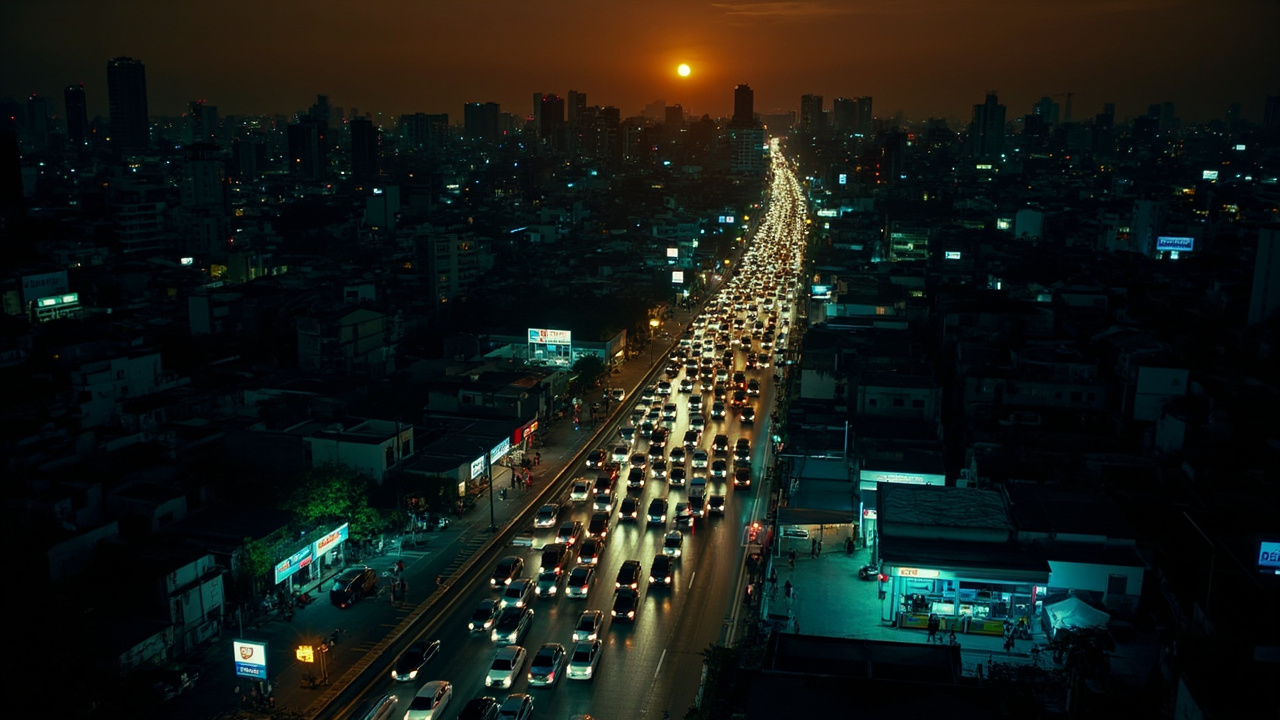
MANILA -- President Ferdinand Marcos Jr. declared a state of national energy emergency on March 24, citing the closure of the Strait of Hormuz and the Philippines' near-total dependence on Middle Eastern oil. The country imports roughly 90 percent of its crude from the region. [1]
The Emergency Order — Executive Order No. 110 — gives authorities the power to act against fuel hoarding and profiteering, authorize advance fuel purchasing, and impose conservation measures on government agencies. Office hours for government buildings have shifted to a four-day work week. Agencies must cut fuel and electricity consumption. [2]
Energy Secretary Sharon Garin put the operative number plainly on March 24: approximately 45 days of fuel supply remaining, measured from March 20. That puts the Philippines at or near reserve depletion in early May — before summer peak demand arrives in June, when grid strain in Luzon and the Visayas typically spikes. [3]
A separate assessment by the Independent Electricity Market Operator found that the Luzon, Visayas, and Mindanao grids would remain technically sufficient through Q2 2026 — but qualified that finding with a warning about thin reserves and elevated risk from plant outages and demand surges. [4] The gap between "sufficient" and "safe" is where the June risk lives.
The emergency declaration lasts one year. Marcos pledged a "steady flow of oil" without specifying new supply arrangements. Inflation in the Philippines is now projected at 5.1 percent for 2026, according to analysts who cited surging oil prices as the primary driver. [5]