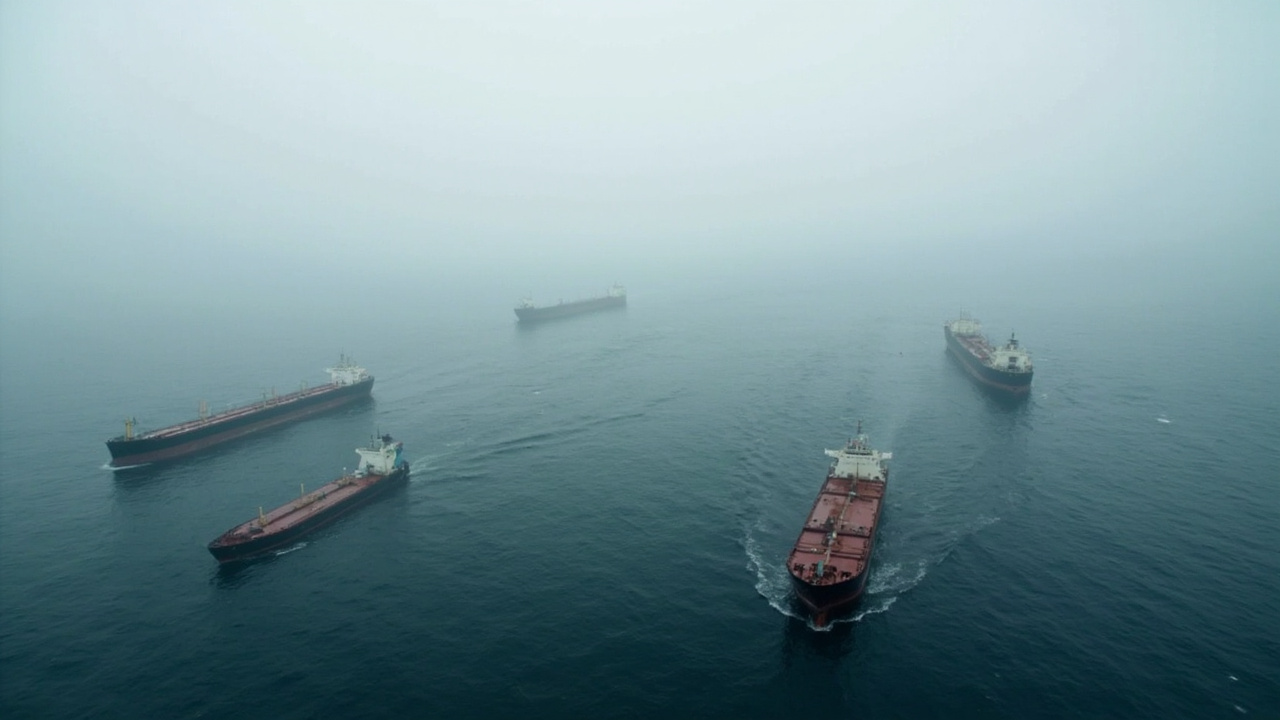
Thirteen days remain on the 30-day sanctions waiver that Treasury Secretary Scott Bessent issued on March 20 to clear Iranian oil stranded at sea. [1] The oil is still stranded.
An estimated 95 million barrels of Iranian crude remain on vessels, approximately 51 million of them on sanctioned tankers. [2] As this paper reported yesterday, a cargo bound for India's New Mangalore Port diverted mid-voyage toward China this week — a reversal that India's government attributed to "refiners' techno-commercial feasibility" rather than payment problems, which is a diplomatic way of describing risk aversion. [2] China's Sinopec has declined to purchase despite the waiver, wary of secondary sanctions exposure once the window closes April 19. [3]
The waiver's diminishing returns are visible in the price spread. Iranian Light crude, which traded at a $10 discount to Brent at the waiver's announcement, has narrowed to a $4 discount. [4] This indicates some marginal buying has occurred. It does not indicate the inventory clearance Bessent's team had hoped to achieve.
Iran's own position has not helped. The government publicly dismissed the waiver as a "psychological exercise" with nothing to release, a stance that discouraged buyers from treating it as a genuine opening. [3] With Mahshahr now offline and ceasefire talks underway, the April 19 expiry is likely to pass without the floating inventory resolving — one more diplomatic instrument that failed to bridge the gap between the war and the market.
-- DARA OSEI, London