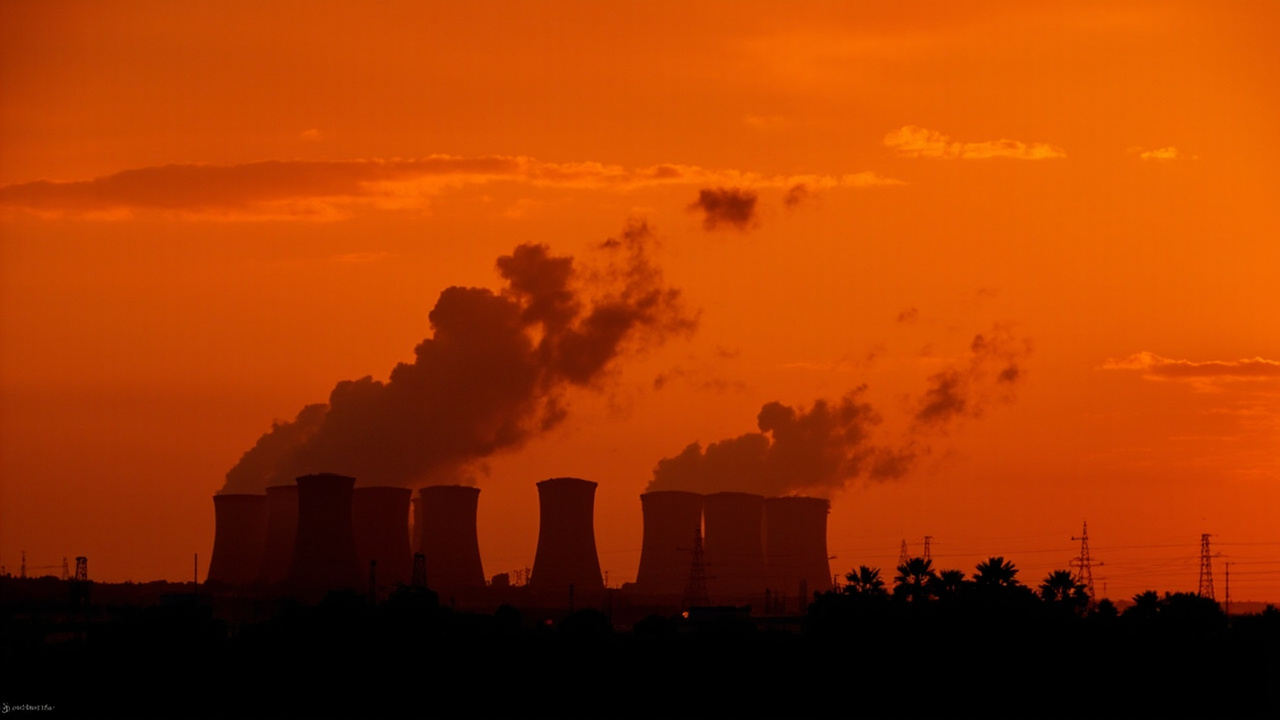
When the United States threatens to destroy another country's power grid, the law has something to say about it. So far, Washington has chosen not to engage with what it says.
Tess Bridgeman, a legal scholar who served in the Obama administration's National Security Council, told CBS News this weekend that the Trump administration's threats to bomb Iran's electrical generating plants are "flatly illegal" under international humanitarian law. Her argument was not technical or marginal. "Electrical generating plants power hospitals," she said. "They power schools, water treatment plants. Targeting civilian infrastructure of that kind is — those kinds of things are flatly illegal."
The framework she is invoking is not obscure. The Geneva Conventions and their Additional Protocols prohibit attacks on objects indispensable to the survival of the civilian population. The Rome Statute of the International Criminal Court defines attacks on civilian objects as war crimes. Iran's Foreign Minister has invoked precisely the same legal provisions in public statements, citing international humanitarian law as the reason that Iran's own threatened countermeasures — which include targeting Gulf state power and water infrastructure — would be justified as reciprocal rather than prohibited acts.
Neither the White House nor the Department of Defense has issued a substantive legal rebuttal to Bridgeman's argument. The administration's stated position, per aides who spoke to various outlets, is that Iran's "infrastructure" constitutes a "legitimate target" given its role in funding what officials characterize as hostile activities. This is a significant legal claim — it asserts that power plants serving civilian populations are valid military objectives — and it has not been explained or defended in any systematic way.
Elliott Abrams, who served as special representative for Iran in Trump's first administration, takes a different but equally critical view: he argues that targeting the Iranian population's access to electricity is counterproductive on political grounds, because it may entrench the regime rather than dislodge it. His objection is strategic, not legal. That Abrams and Bridgeman reach similar conclusions of inadvisability through entirely different frameworks suggests the consensus against power plant strikes is broader than it appears.
What is missing from the public discourse is not analysis. Bridgeman's argument, the relevant treaty provisions, and the Rome Statute are all publicly available. What is missing is any engagement from the executive branch with the substance of the legal question. The administration has not argued that power plants are legitimate military objectives under the laws of armed conflict. It has simply asserted that they are targets, and moved on.
This is how legal norms erode. Not through argument but through silence — through the gradual normalization of the idea that the question need not be answered at all.
-- ANNA WEBER, Berlin
Sources: