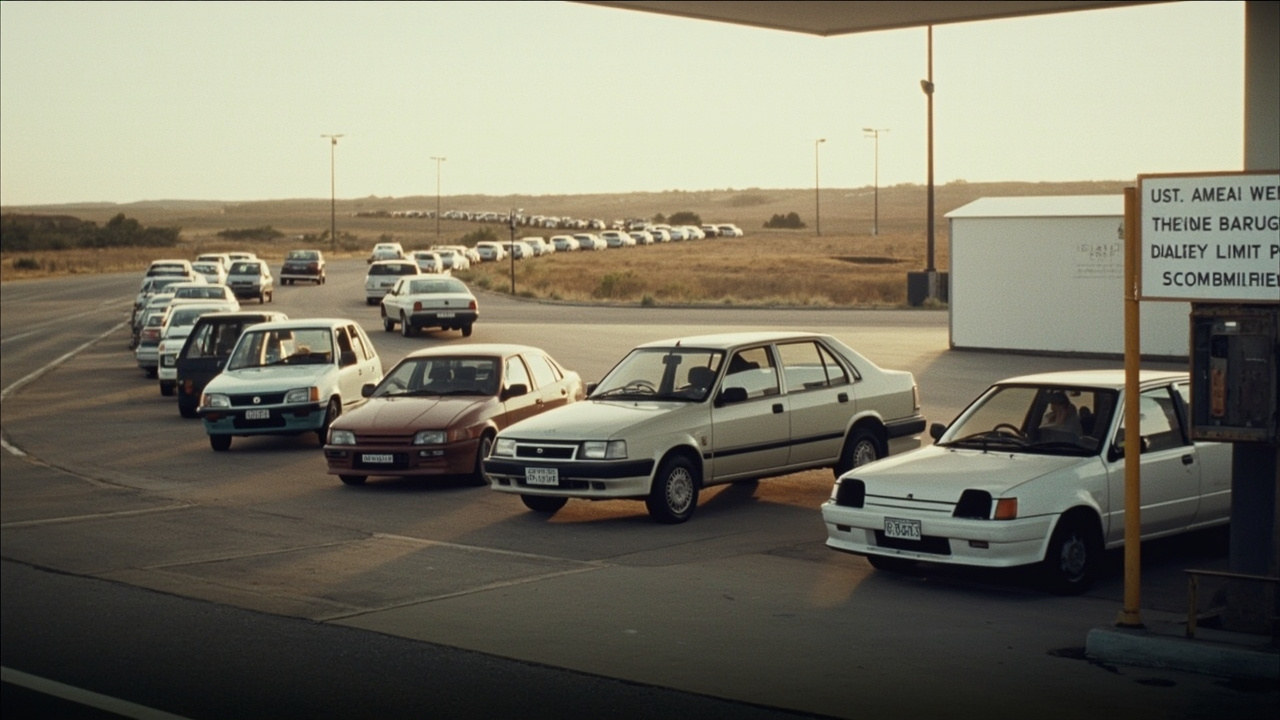
Australia's fuel crisis has been moving in the right direction since before Tuesday's ceasefire, and the ceasefire is getting credit for improvements that were already in motion. [1]
Tuesday's paper reported 555 stations running dry and 50-litre caps across three states. Today, that number is moving in the right direction. Diesel shortages fell from 312 to 274 service stations over the Easter weekend — a net improvement of 38 stations that Energy Minister Chris Bowen attributed to supply chain stabilization and the excise cut that took effect April 1. The fuel excise — normally 52.6 cents per liter — was halved to 26.3 cents per liter for the April-June quarter, providing an immediate price floor reduction. Bowen said supply was secured "well into May." [2]
The ceasefire arrived Tuesday. The 7NEWS coverage credited the ceasefire for the improving outlook. The ABC's more granular reporting noted that the supply chains already established in early April — alternative routes from Middle Eastern producers not going through Hormuz, Australian stockpile drawdown managed against daily consumption — were the primary explanation. [3]
This distinction matters. The ceasefire is a price signal: oil at $93 instead of $109 reduces the cost of every future supply shipment and will eventually reach Australian pump prices, with a lag of several weeks. It is not an immediate supply chain fix. The ships that have been circumnavigating the Cape of Good Hope for 40 days will not instantly reroute through Hormuz because of a 14-day ceasefire. Shipper confidence is built over transits, not over declarations. [4]
Australia's structural exposure has also changed. The government's four-level fuel plan, which activates emergency reserves and formal rationing at specific threshold levels, has not been triggered. The 39-day reserve figure cited in early April has been sustained. The excise cut is providing a real price buffer.
What remains true: Australia is a First World economy that spent five weeks at 50-liter rationing caps and 555 dry service stations. The post-ceasefire relief is real. The structural vulnerability — a country with 30-day fuel reserves relying on Hormuz transit — has not been addressed. [5]
-- DARA OSEI, London