
Oil Fell 15 Percent on a Ceasefire Nobody Has Verified
Brent crude dropped from $109 to $93 on Tuesday night — the market priced peace while shippers were still calculating war-risk insurance for Hormuz transits.
You're offline. Previously read public pages remain available; new requests will resume when you reconnect.
The news. The narrative. The timeline.
Brent crude dropped from $109 to $93 on Tuesday night — the market priced peace while shippers were still calculating war-risk insurance for Hormuz transits.
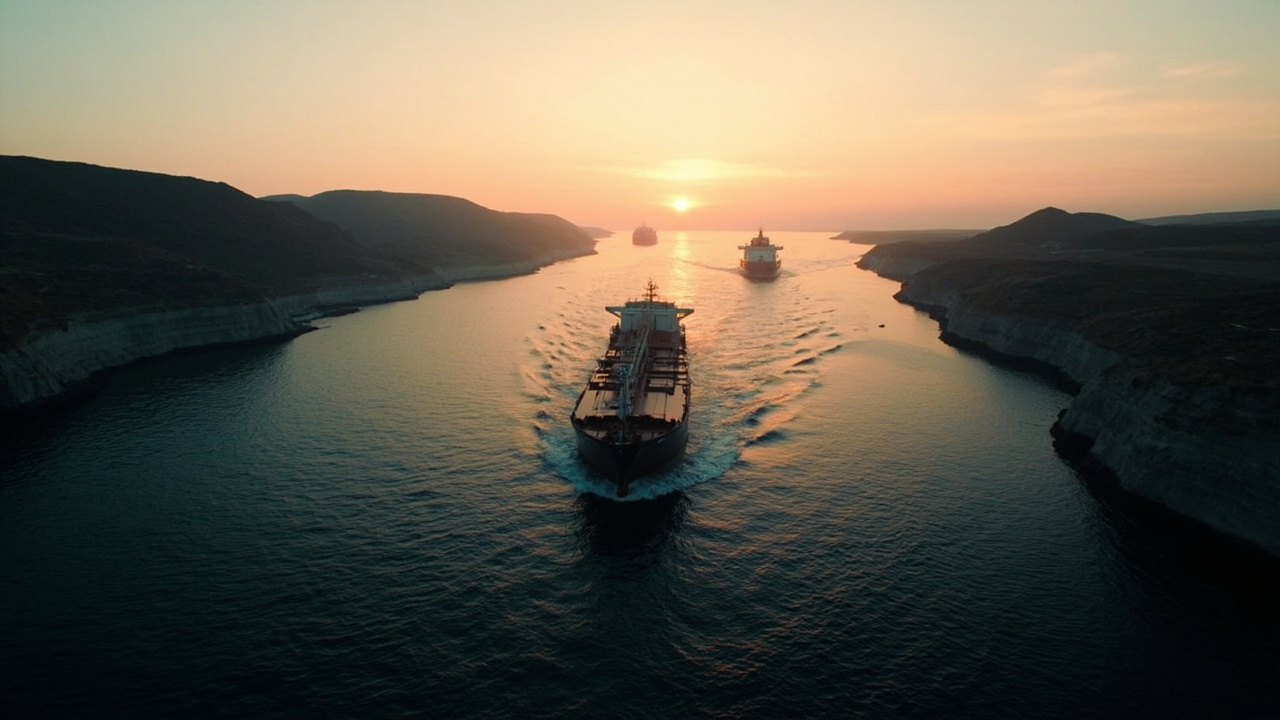
First vessels transited Hormuz Wednesday morning, but Maersk and the major shipping lines are seeking insurance clarity before committing routes — the gap between 'technically open' and 'commercially.
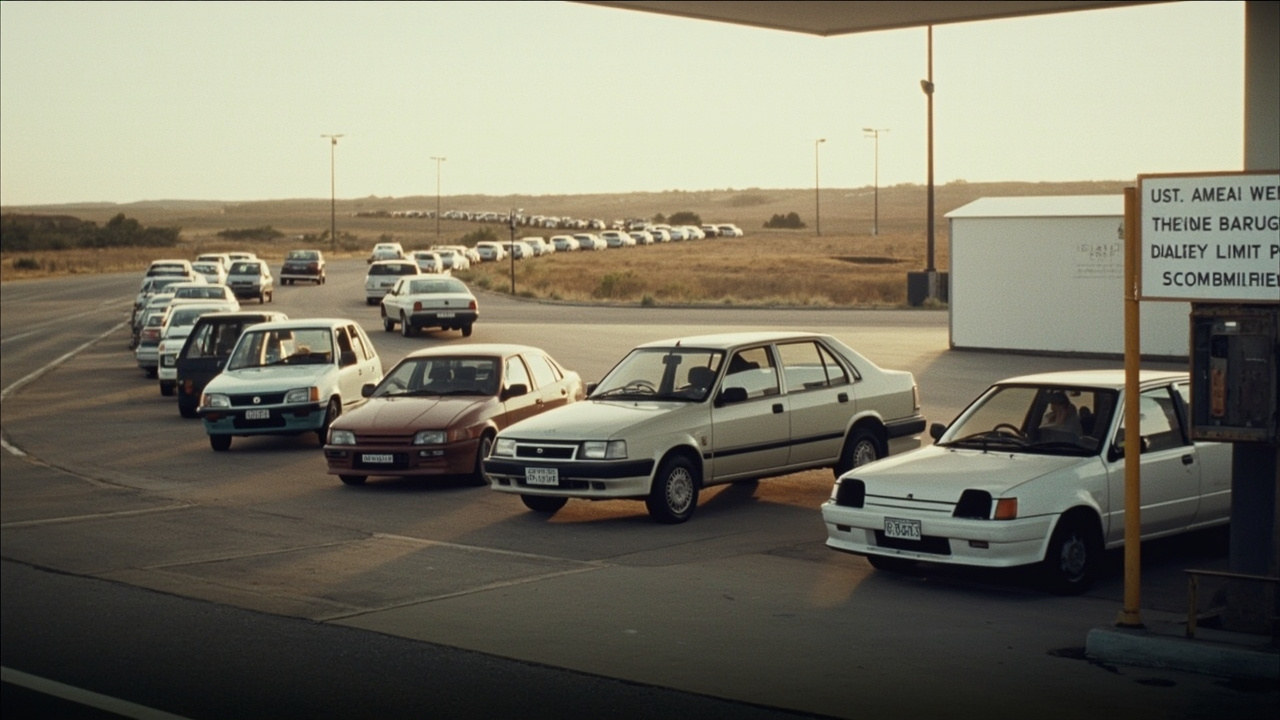
Diesel shortages dropped from 312 to 274 service stations, the excise cut is working, and supply is secured into May — but most of this improvement predates Tuesday's ceasefire.

Pakistan's fuel prices surged 40% during the war; ceasefire offers hope, but economists say relief is weeks away.
A 60-day sanctions waiver covering some Iranian oil movements expires April 19; the ceasefire changes who benefits from an extension — and who doesn't.

Mexico's truckers blockade, sparked partly by fuel price spikes from the Iran war, enters day three with new ceasefire data changing the government's calculations.

Oil futures fell 15% on ceasefire news, but physical crude and refined products remain stressed — a disconnect that traders call 'unnatural' and unsustainable.
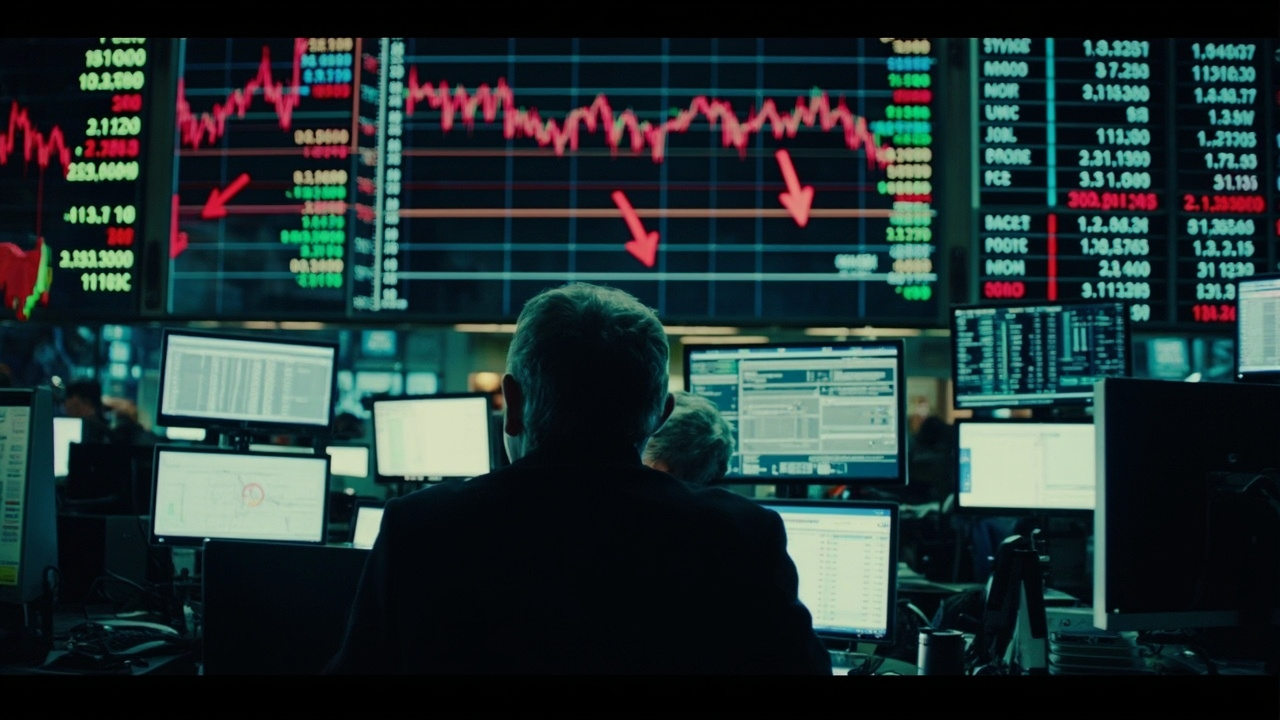
Oil's biggest single-session drop in nearly two years came on a ceasefire announcement before any tanker had cleared Hormuz — the market traded the headline, not the supply chain.

European indices, US futures, and Asian markets all jumped on the ceasefire news — reversing weeks of war-premium erosion in a single session that bet the pause would hold.
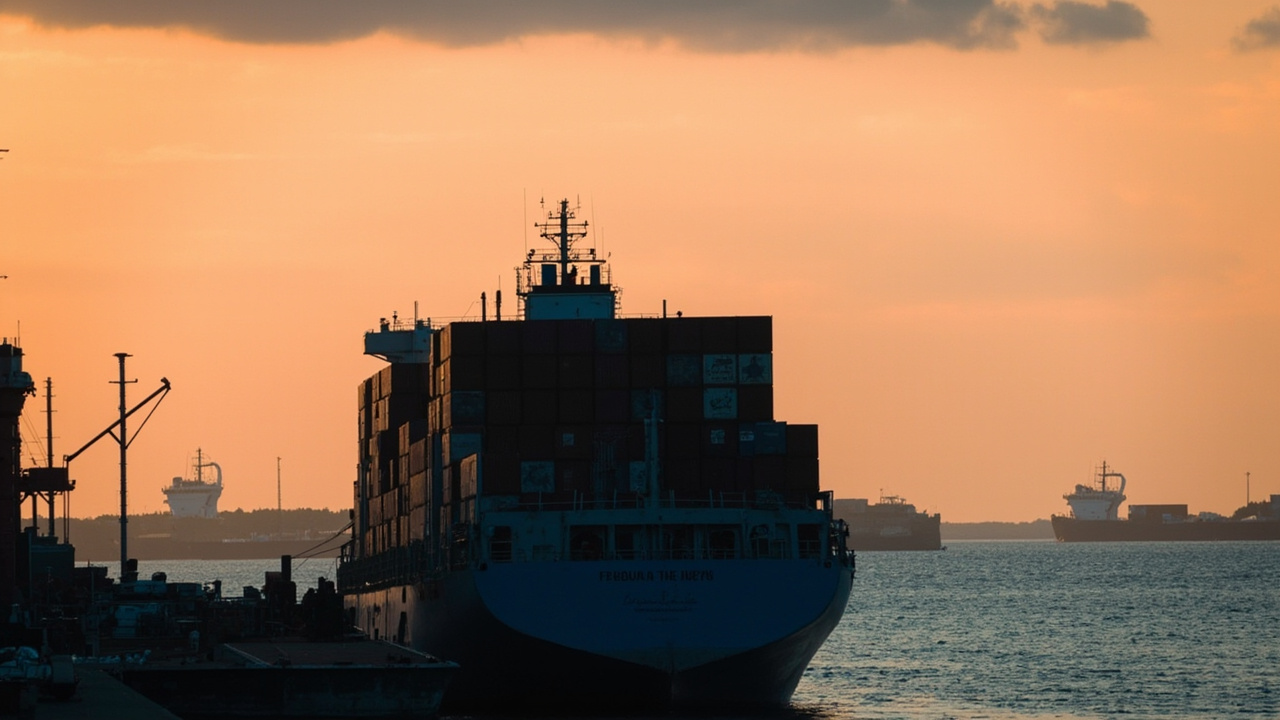
Maersk said it would seek clarity before routing through Hormuz — a signal that the world's second-largest container carrier does not consider a ceasefire announcement sufficient to change its risk.

Australia has improved from the 555-station crisis peak, but 274 stations remain out of fuel — the ceasefire is good news for eventual resupply, but the lag means Australians won't feel it for weeks.
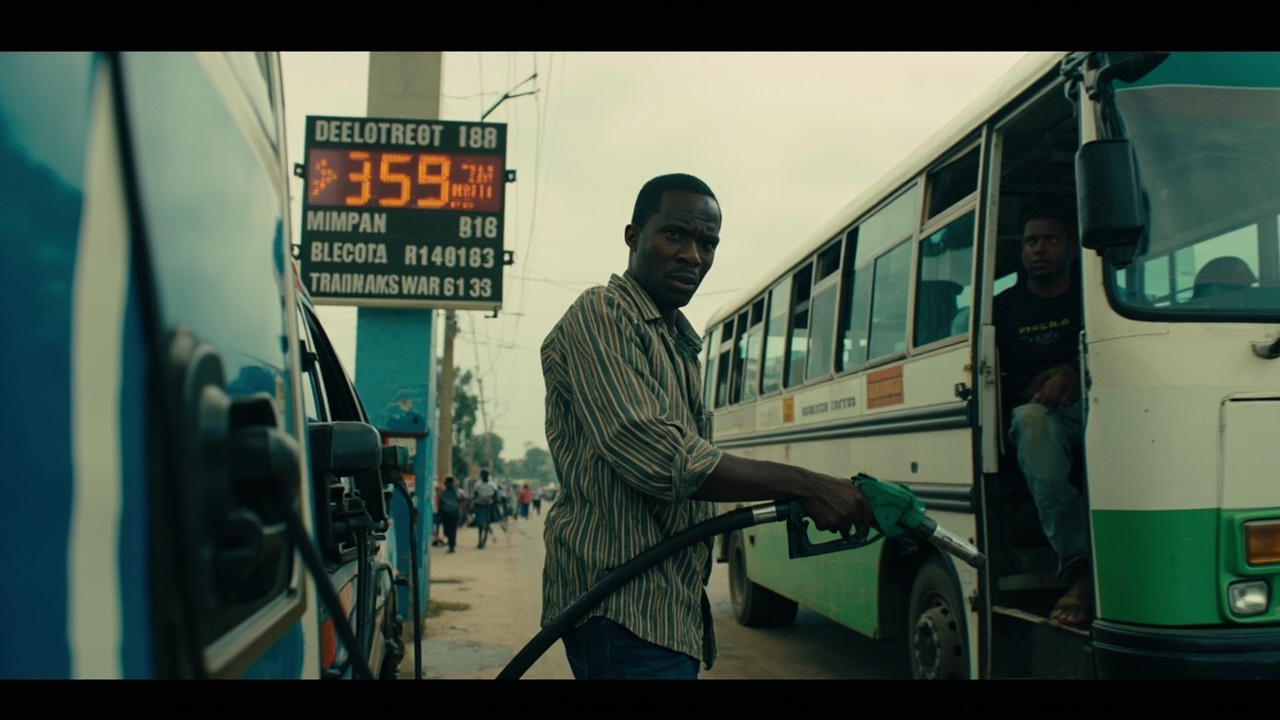
Kenya avoided the fuel emergency that Australia faced, but its fuel prices have risen sharply with the war premium — and the ceasefire offers eventual relief if it holds long enough for supply chains.
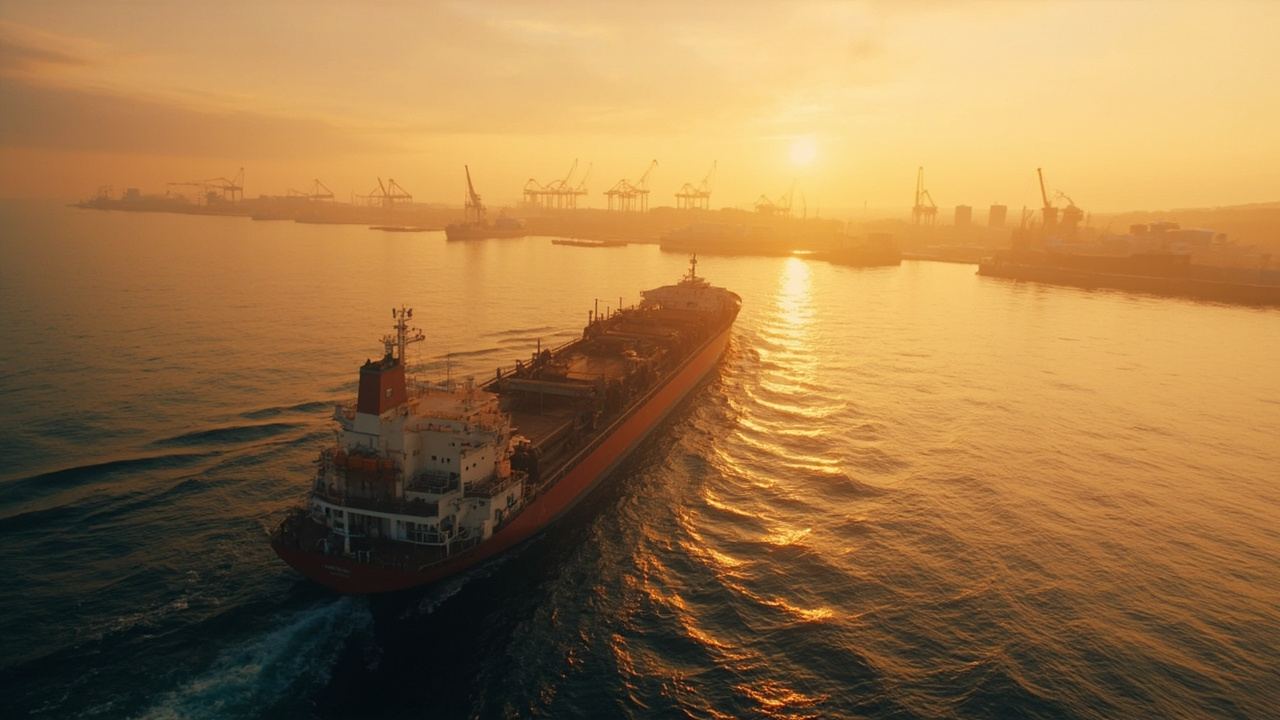
Japan is the world's largest single-country beneficiary of the Hormuz reopening — the country sources most of its oil from Gulf states whose tankers route through the strait, and 39 days of closure.