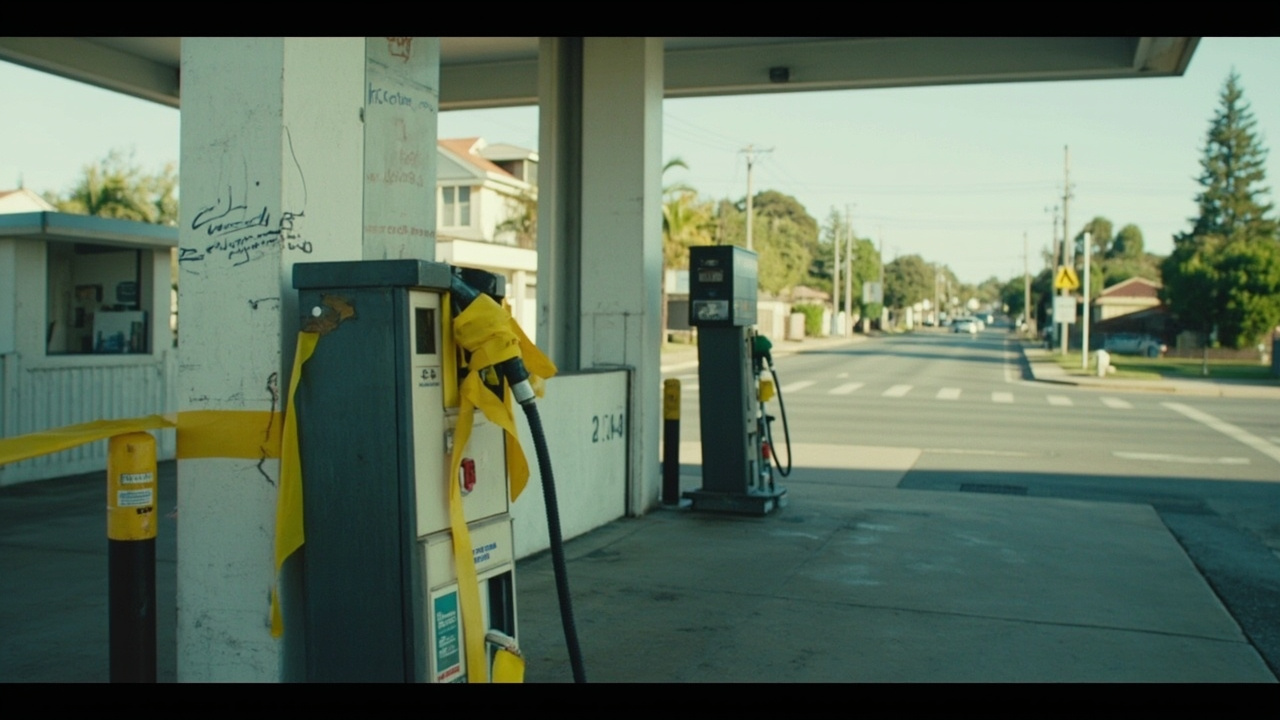
Australia's fuel station closure count stood at 274 as of Wednesday — down from the crisis peak of 555 stations in late March, but still representing a significant fraction of the national network in one of the world's most fuel-dependent economies. [1]
The ceasefire is unambiguously good news for Australia's eventual resupply. The country imports roughly 90 percent of its transport fuel, and the Hormuz blockade was the primary supply disruption. If Hormuz genuinely reopens, tankers that have been anchored in the Gulf or rerouted around Africa will gradually restore normal shipping patterns. [2]
The critical word is "gradually." Shipments from the Gulf to Australia take three to four weeks in transit. Even if a fully laden tanker departed Hormuz on Wednesday morning, its cargo would not reach an Australian terminal until early May. The fuel stations that are dry today will remain dry for most of April regardless of what happens diplomatically. [1]
The Energy Minister's message — no need for panic buying — is operationally accurate but politically awkward. The infrastructure crisis will improve, but not in the timeframe voters can see. The government lowered diesel quality standards in late March as an emergency measure to stretch remaining supplies; that decision reflects how close to the edge Australia's fuel reserves had come. [2]
The ceasefire does not restore fuel. It stops the depletion from worsening. That is a meaningful improvement from the direction of two weeks ago.
-- DARA OSEI, London