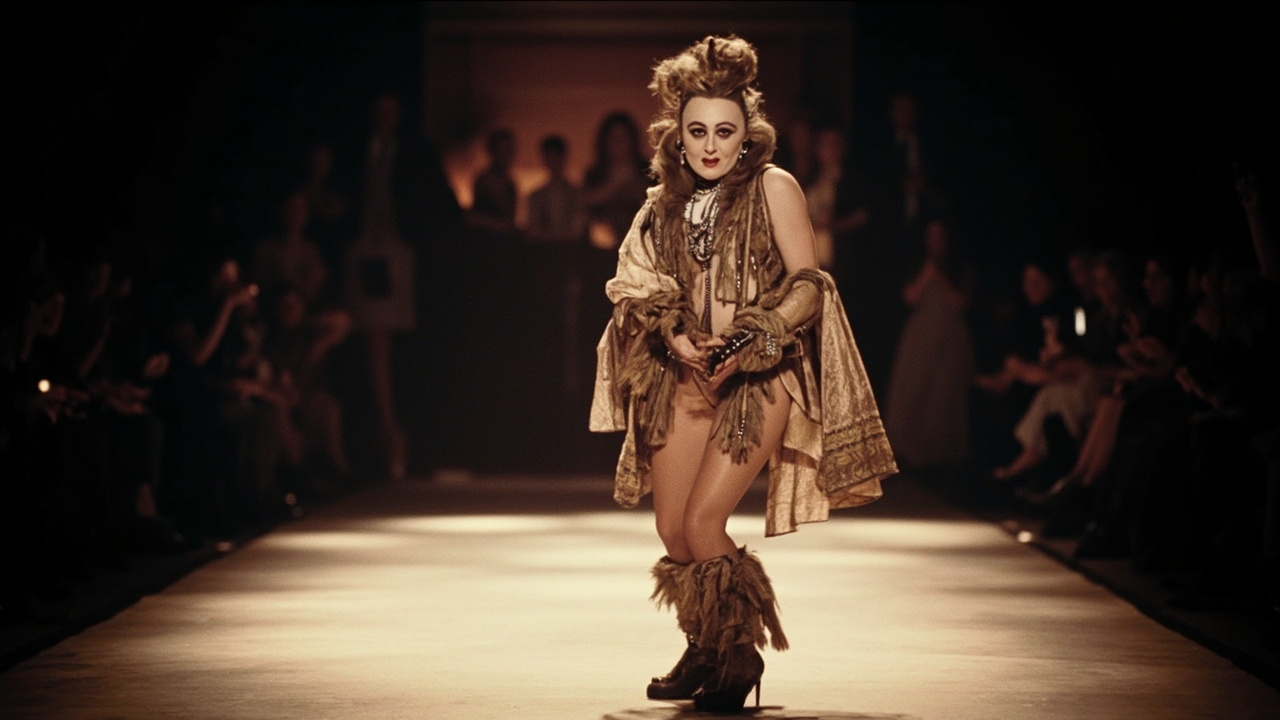
The Broadhurst Theatre opened its doors to Cats: The Jellicle Ball on Tuesday night, April 7 — and what arrived on that stage carried a cultural freight that Andrew Lloyd Webber's original 1982 production, for all its technical spectacle, was never asked to carry. [1]
The production — an Off-Broadway transfer that began previews in March — reimagines the Jellicle Ball not as a feline talent show but as a ballroom competition. The categories, the walks, the runway format, the houses: all of it drawn directly from a tradition that began in the Black and Latino LGBTQ+ communities of New York. [2]
Ballroom culture traces its formal origins to the early 1970s, when Black and Latino gay, transgender, and queer people — many of them rejected by white-dominated drag pageants — built their own competitive universe in Harlem. The houses that formed then — LaBeija, Xtravaganza, Ninja — were family structures as much as competitive teams. They offered shelter, mentorship, and a context in which people who had no visible cultural life could build one. [3]
Voguing emerged from within this world. It drew on the poses of fashion magazines, on martial arts gestures, on the performance vocabulary of a community that had been watching mainstream culture exclude them for decades and had decided to create something better. Jennie Livingston's 1990 documentary Paris Is Burning brought ballroom to wider attention. The FX series Pose, decades later, gave it a dramatic home. [2]
What Cats: The Jellicle Ball does — and the critics have noticed this, even those who are ambivalent about the production overall — is insist that ballroom is not a set of moves available for theatrical borrowing. [1] The creative team brought ballroom practitioners directly into the production, not as consultants but as authors. Dashaun Wesley, known in the community as the King of Vogue, is central to the show's choreographic logic.
Whether Broadway can honour a living culture without flattening it is the question every revival of this kind must answer. The Broadhurst is not the answer. It is the arena in which the question is now being asked. [3]
-- DARA OSEI, London