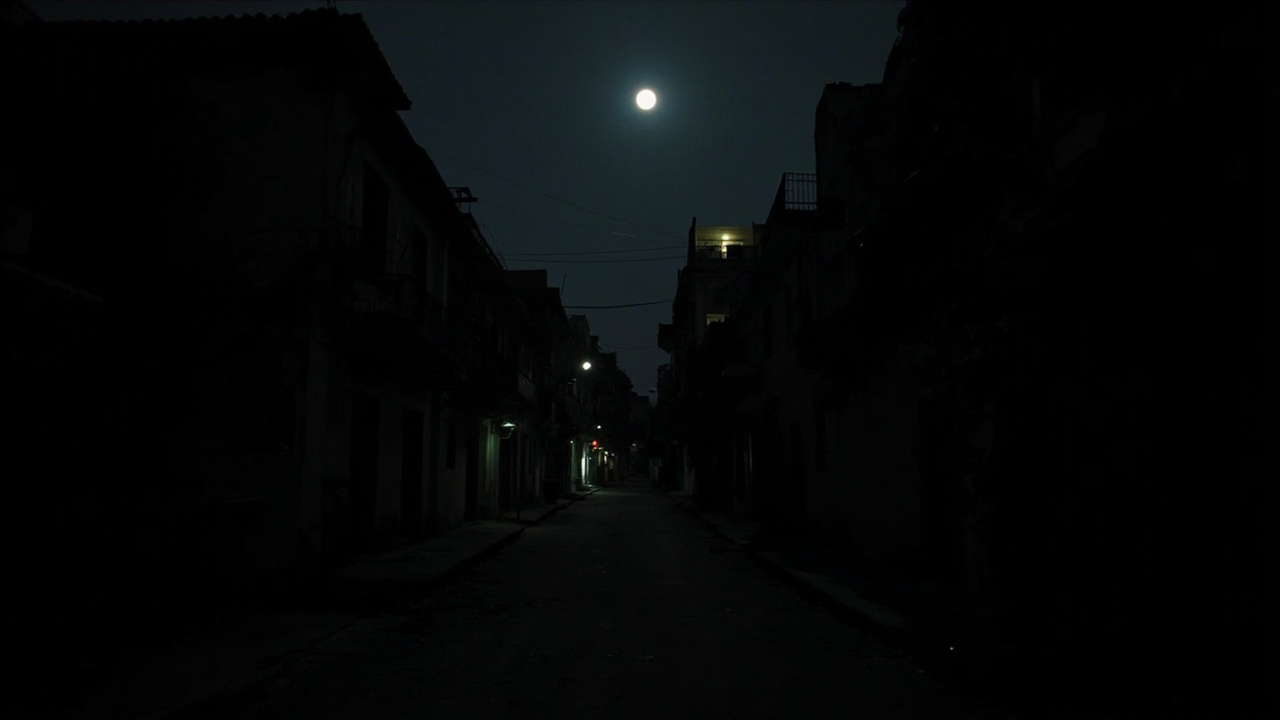
The ceasefire was announced Tuesday at 8pm. In Havana, where rolling blackouts have been the rhythm of daily life since mid-March, some residents heard the news and felt something complicated: not relief exactly, but a faint questioning of whether this changes anything at all. [1]
It does not. Not yet. Not for Cuba.
Cuba's power crisis is not a consequence of global oil prices. It is a consequence of the US oil blockade, which specifically targets Venezuela's oil exports — Cuba's primary import source — and which remains in full effect regardless of any ceasefire between Washington and Tehran. [2] The collapse of Cuba's electrical grid three times in March, leaving 10 million people without power for stretches of 24 hours or more, was not caused by Hormuz. It was caused by a targeted economic policy.
The grid that Cubans are living with today operates at roughly 60 percent of generation capacity, a number that electricity engineers describe as structurally precarious — sufficient to maintain partial service, insufficient to absorb any surge in demand without shedding load. [3] The obsolete power plants that were already nearing failure before the blockade intensified have now failed. Repairs require parts. Parts require currency. Currency requires exports. The circle is closed.
President Díaz-Canel has confirmed that Cuba has been holding secret talks with the United States. The agenda, as best as can be determined, includes the energy situation. [1] But those talks are separate from the Iran ceasefire architecture. They operate on a different channel, with different leverage, and different timelines.
Two US lawmakers who visited Cuba last week called publicly for "a permanent solution" after witnessing conditions on the ground. [2] Their statement is well-intentioned. A permanent solution to Cuba's grid requires restored oil supply, which requires modifying the blockade, which requires political will in Washington that does not currently exist.
The ceasefire may have ended one war. In Havana, the other one continues in the dark.
-- LUCIA VEGA, São Paulo