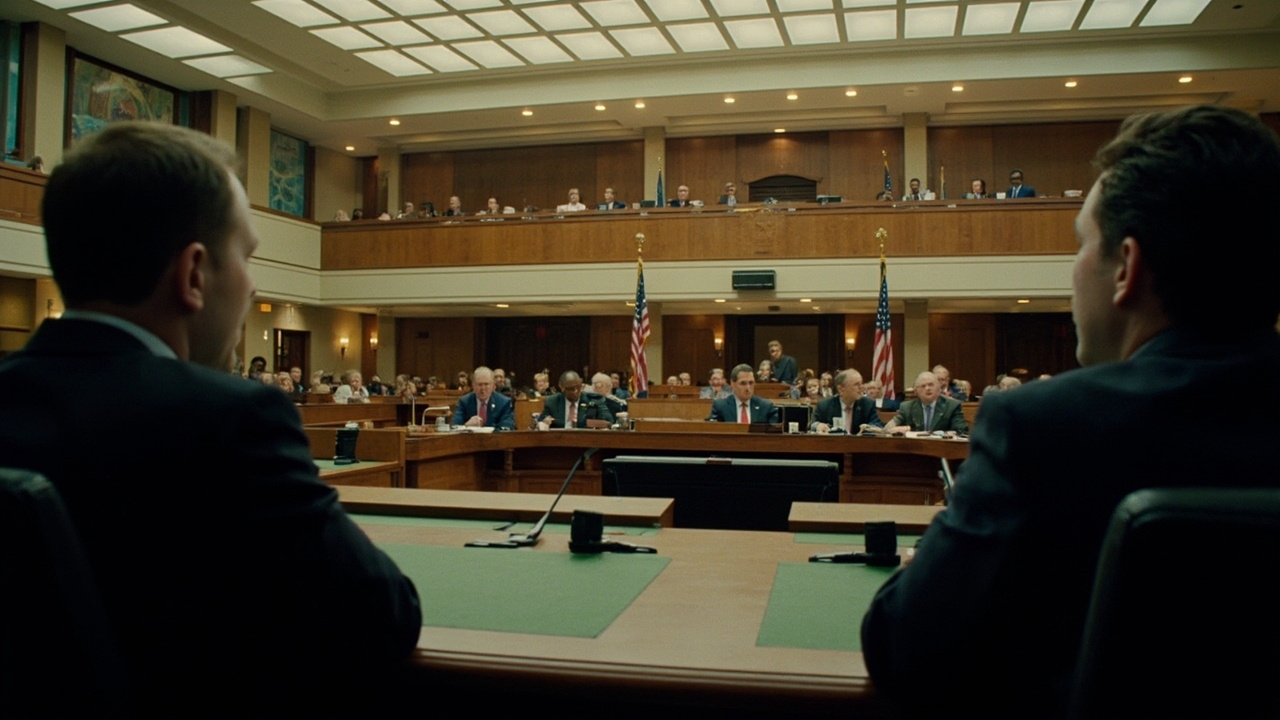
The Daniel Ellsberg Press Freedom and Whistleblower Protection Act remains in committee. [1] It has been there since its introduction earlier this year. No markup date is scheduled. No floor vote is expected before the War Powers deadline in late April.
The bill would reform the Espionage Act — the 1917 statute that has been used against virtually every significant national security whistleblower of the past three decades — to carve out protections for journalists and sources who disclose information in the public interest. The reform is named for the Pentagon Papers whistleblower, who spent his final years arguing that the act's most dangerous feature was its blank prohibition: it provides no public interest defense, no proportionality standard, no requirement that the prosecution show actual harm to national security. [2]
That feature is what makes it attractive to governments during wartime. When the state is conducting military operations, the Espionage Act gives it a tool to silence journalists and sources who reveal inconvenient truths about those operations — not by proving harm, but simply by proving disclosure. [1]
The Iran war has produced reporting that the administration has found inconvenient: strike targeting decisions, civilian casualty counts, intelligence sharing arrangements with Israel. Whether any of those reporting subjects has triggered Espionage Act consideration inside the Justice Department is not publicly known. What is known is that the law enabling such action remains unchanged, and the bill that would constrain it remains in committee. [2]
-- ANNA WEBER, Berlin