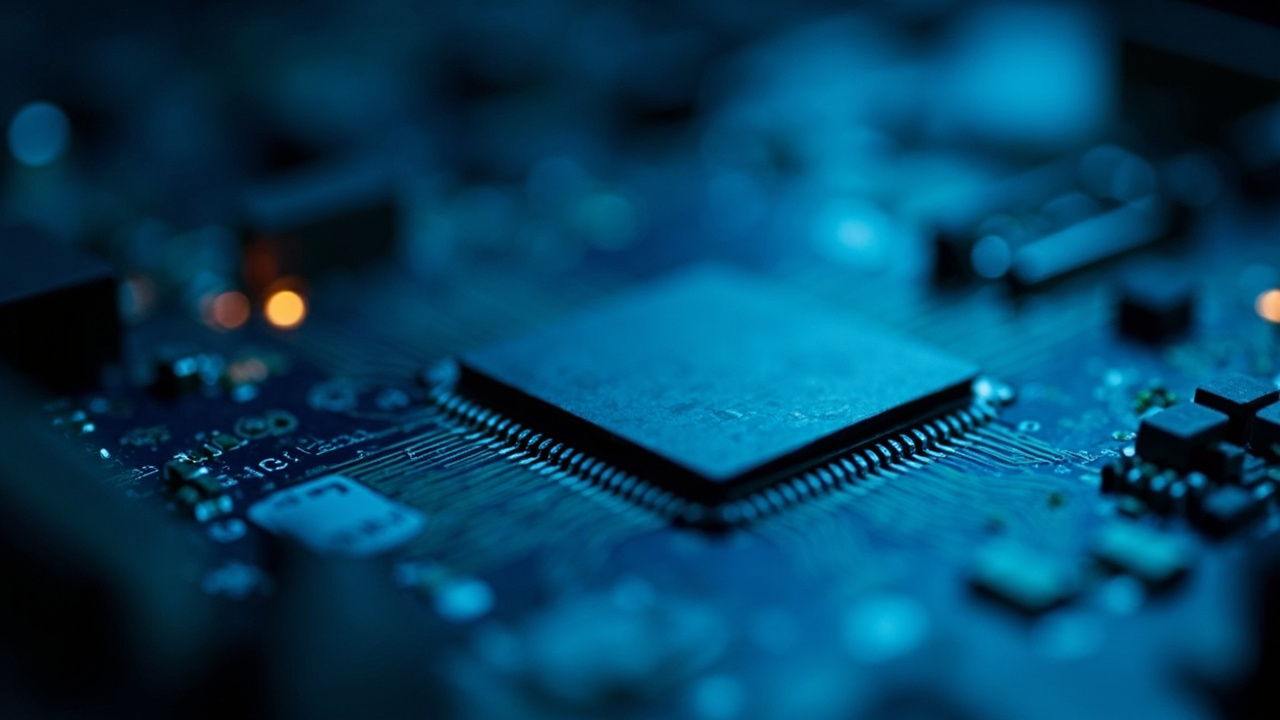
DeepSeek's V4 model is expected to launch in the coming weeks running entirely on Huawei's Ascend 950PR chips — the newest hardware in Huawei's Ascend lineup, which entered mass production this month. [1]
The development is the clearest evidence yet that the US export control strategy, which restricted Nvidia's advanced AI chips from the Chinese market beginning in 2022 and tightened progressively through 2024, has produced a different outcome than intended. Rather than denying Chinese AI development access to frontier compute, the controls accelerated investment in a domestic Chinese chip ecosystem. DeepSeek V4 is the first major proof of concept: a frontier model, competitive by early benchmarks, running on no US silicon. [2]
The original DeepSeek V3 caused a stock market shock in January 2025 when it demonstrated that competitive models could be built with fewer chips than US companies assumed. V4 advances that argument into hardware: not only can Chinese labs compete at the model level, they can now compete at the infrastructure level as well. [1]
The Huawei Ascend 950PR reportedly begins mass production this month. The chip is not identical to Nvidia's H100 or H200, and performance benchmarks on production hardware have not been independently verified. What has been verified is that DeepSeek was willing to delay V4's release specifically to achieve native Huawei compatibility — a signal about where Chinese AI development sees its strategic interest.
The US response to this development is not yet clear. Export controls on the chips themselves are already in place. The gap was always software and optimization, and V4 closes it. [2]
-- DAVID CHEN, Beijing