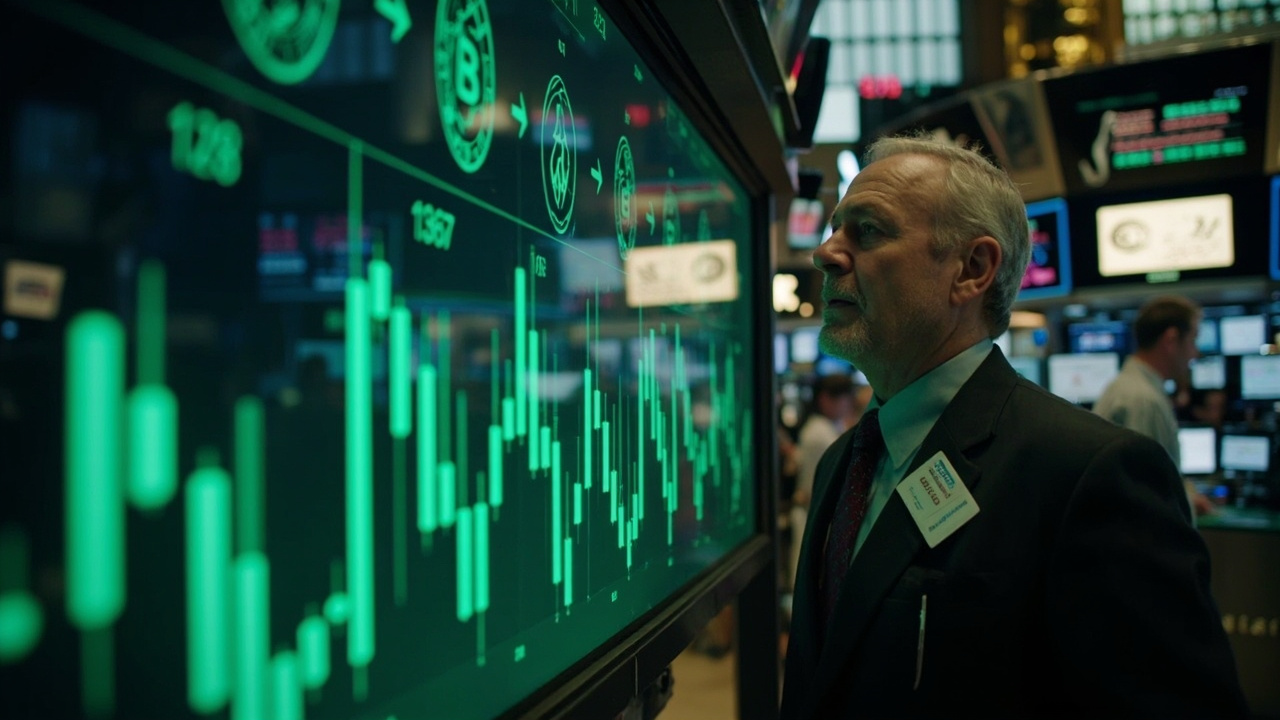
Global stock markets surged on Wednesday following Tuesday's ceasefire announcement. European indices opened sharply higher. US futures had already rallied overnight. The rally reversed weeks of war-premium erosion and represented the largest single-day gain in global equity markets since February. [1]
The logic was straightforward: if Hormuz reopens, inflation pressure eases. If inflation pressure eases, central banks can resume easing cycles. If central banks ease, equities rise. Each link in that chain depends on the ceasefire holding — and holding not for 14 days but for long enough that supply chains reorient, insurance frameworks update, and energy prices stabilize at lower levels. [2]
Markets are not making that full argument. They are trading the first link: the ceasefire announcement itself. The Kobeissi Letter, one of the most-followed financial accounts on X, called the move a "ceasefire trade" analogous to the April 2025 tariff pause — a classic sell-the-rumor-buy-the-news dynamic that reversed sharply when the underlying conflict re-emerged. [2]
The parallel is uncomfortable. The tariff pause of 2025 produced a market rally, then a renegotiation, then resumed tariffs, then prolonged uncertainty. The Iran ceasefire of 2026 follows the same architecture. A 14-day pause is not a resolution. It is an option on a resolution. Markets priced the option at full value on Tuesday night.
The test comes when the option expires — or if Lebanon escalates before it does.
-- THEO KAPLAN, San Francisco