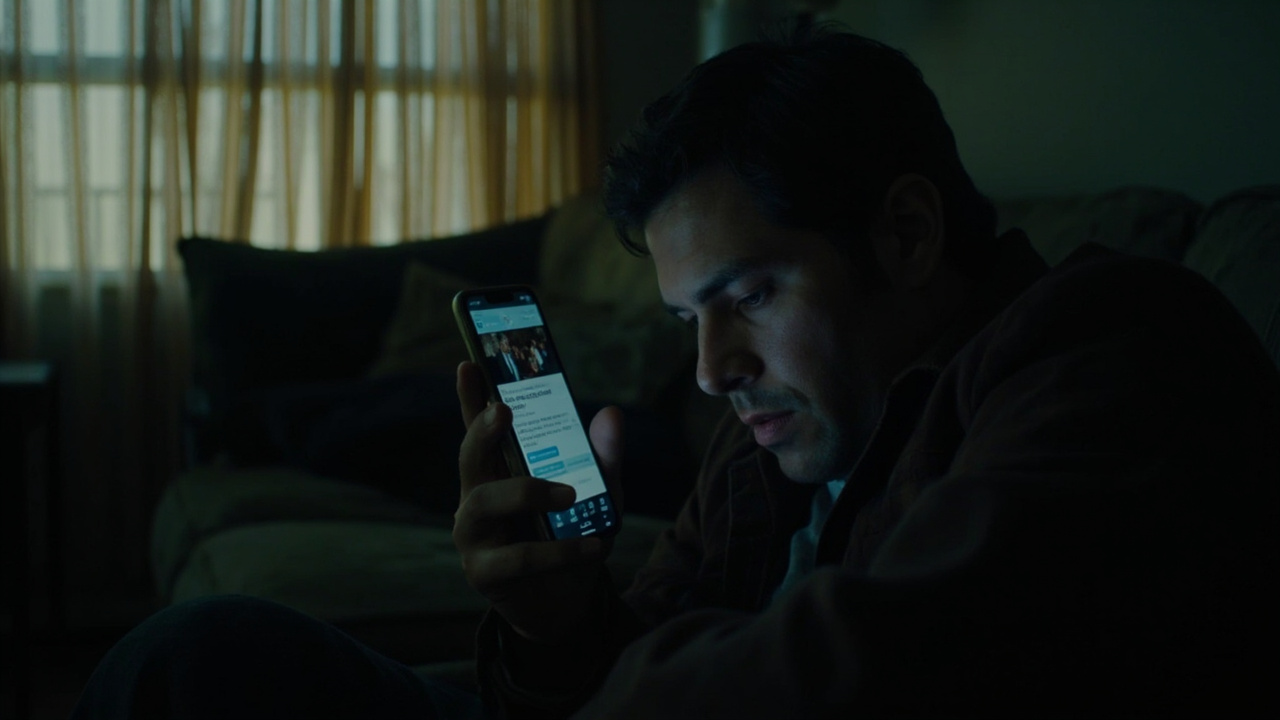
The ceasefire was announced at 8pm. By 11pm, the therapists' inboxes had new messages. Not from people celebrating — from people who felt, unexpectedly, worse. [1]
This is a documented clinical pattern, though it has no settled name. Some practitioners call it relief anxiety: the state in which sustained hypervigilance, built up over weeks of threat, cannot simply power down when the threat appears to recede. The nervous system that has been treating every notification as a possible update on whether missiles are flying does not take a night off because a deal was announced. [2]
The situation is complicated this week by the fact that the ceasefire is genuinely ambiguous. Lebanon was excluded. Israel launched strikes within hours. Iran fired rockets into the Negev after the announcement. Three children were injured. [1] The people who consumed those updates after the ceasefire story were not irrational to feel anxious — the facts warranted anxiety. The problem is that their physiology had already been primed for it long before the nuanced updates arrived.
Mental health practitioners surveyed by GrowTherapy found that 99.6 percent of therapists reported that watching or reading the news can have a negative impact on mental health. [3] That number, while striking, reflects something specific about the current media environment: volume, not content, may be the primary driver. A USA Today survey found 52 percent of respondents felt overwhelmed by news volume. [2]
The practical guidance is calibrated, not categorical. Clinicians are not recommending news avoidance — that creates its own problems, particularly anxiety about what you might be missing. What they recommend is time-limited engagement: two deliberate check-ins per day, with hard stops. No notifications during sleep or the first hour after waking. [3]
For the ceasefire specifically, one Chicago-based therapist offered a framing that several of her clients found useful. The ceasefire is real, she said. So is the uncertainty. Holding both is not weakness — it is accuracy.
Your nervous system wants a clean narrative. The world is not offering one this week. That discrepancy is the thing worth managing.
-- NORA WHITFIELD, Chicago