India's External Affairs Ministry welcomed the ceasefire with the restraint characteristic of a government that has spent six weeks performing studied neutrality while absorbing an energy shock it had no role in creating. [1]
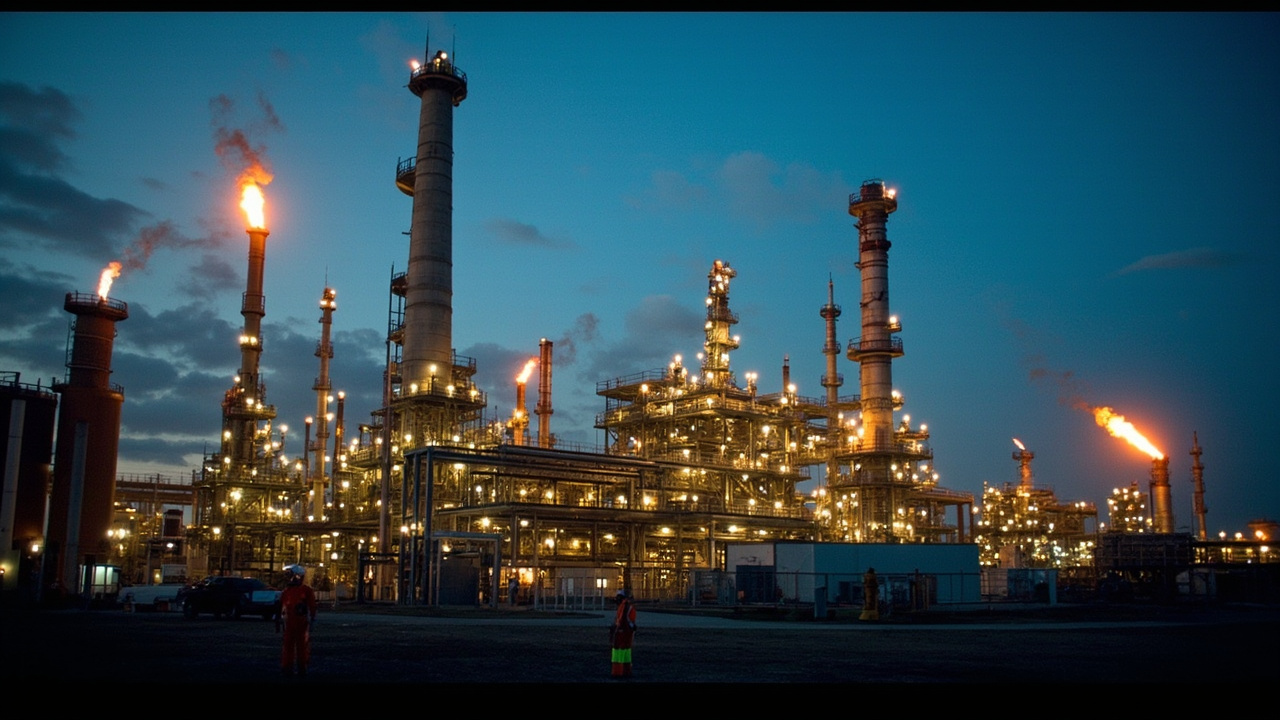
India imports approximately 85 percent of its crude oil, with Gulf states — Saudi Arabia, UAE, Iraq — accounting for roughly 60 percent of total imports through Hormuz-dependent routing. The blockade affected India directly: fuel prices rose, transport costs increased, the LPG subsidy burden on the government expanded. Rural India, which relies heavily on LPG for cooking, felt the increase acutely. [2]
India's response to the supply disruption was to buy more Russian oil. Imports from Russia rose 8 percent in February, a diversification that Russia welcomed and the US nominally objected to while declining to enforce the sanctions that would have stopped it. New Delhi's energy pragmatism — buy cheap oil wherever the sanctions don't actively enforce — has been a consistent feature of Indian foreign policy since the Ukraine war began. The Iran war tested it in a different direction: Russia could partially replace Gulf volumes, but not fully, and Russian crude routes to India don't run through Hormuz. [1]
The ceasefire offers India the most straightforward benefit: lower oil prices and resumed Gulf shipping. New Delhi will not claim credit for the outcome. It will simply reap the benefit while maintaining the non-aligned posture that has become, across three conflicts in three years, the defining feature of Indian geopolitical strategy. [2]
-- PRIYA SHARMA, Delhi