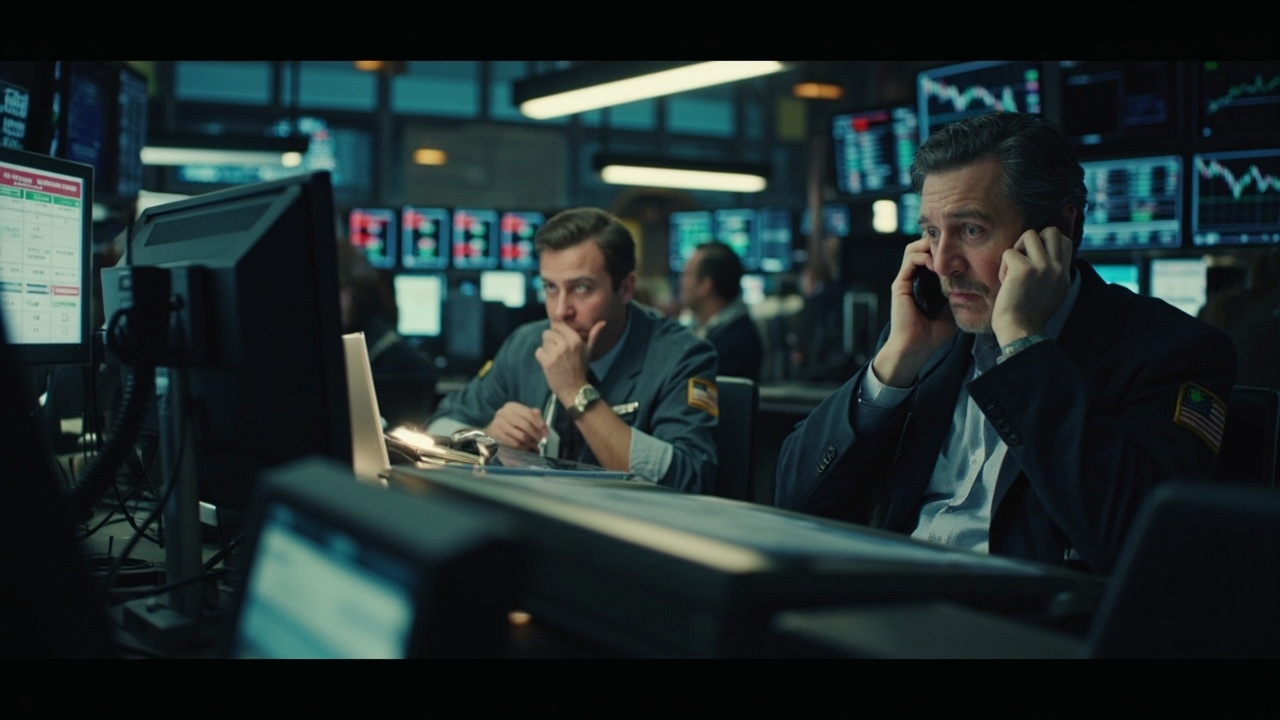
Brent crude fell 15 percent. West Texas Intermediate followed. Stock futures surged. The machines that respond to headlines behaved exactly as they were designed to: the headline said ceasefire, so they bought equities and sold oil. [1]
The physical market has a more complicated view.
Analysts at Rystad Energy described the disconnect between futures and physical crude as "unnatural" — a word that, coming from commodity analysts, is almost alarming in its bluntness. [2] Physical barrels trade on delivery, on specific grades, on the actual logistics of getting crude from wellhead to refinery. Futures trade on expectations. When those two things diverge sharply, one of them has to be wrong.
The physical market's case is straightforward. Shippers are not yet routing vessels through the Strait of Hormuz in volume. Insurance underwriters are still applying war risk premiums — expensive ones. The roughly 800 vessels that shipping intelligence firms estimate are still waiting for clarity have not made decisions. [3] The refined products shortage that built up over five weeks of Hormuz disruption — jet fuel, diesel, naphtha — does not clear overnight because a ceasefire was announced.
Saxo Bank, which published an investor Q&A on Wednesday, put it this way: the ceasefire removes the worst immediate tail risk, which explains the sharp relief move. It does not resolve the structural damage. [1]
Fortune's energy correspondent, writing before the ceasefire, warned that without Hormuz transit resuming at scale, the stress in refined products would spread and accelerate. [3] That warning has not been retired by Tuesday's announcement. It has been conditionally suspended.
The futures market is pricing a world in which the ceasefire holds, talks succeed, and tankers begin flowing within days. The physical market is pricing the world as it actually is this morning — two ships through the strait, 800 waiting, insurance still punitive, Lebanon still burning. [2]
One of these markets is right. The other is getting ahead of itself.
-- THEO KAPLAN, San Francisco