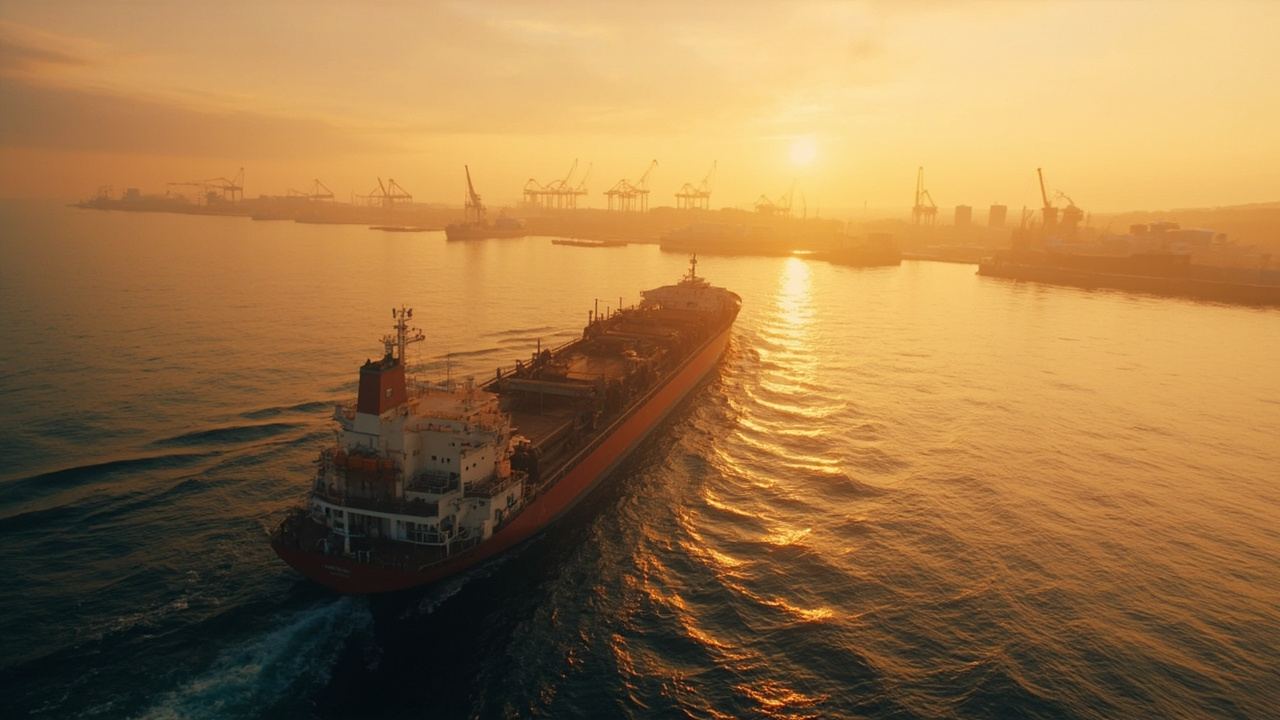
Japan imports approximately 87 percent of its crude oil from Gulf states, nearly all of it routed through the Strait of Hormuz. [1] When the strait effectively closed on February 28, Japan began drawing down strategic reserves — reserves that, at peacetime consumption rates, last approximately 145 days. The country entered week six of the closure with those reserves meaningfully reduced and no alternative routing capable of replacing Hormuz volumes.
The ceasefire changes that. If Hormuz genuinely reopens and tanker traffic normalizes, Japan can resume routine oil purchases and begin rebuilding its reserve buffer. The economic relief — lower energy input costs for industry, lower retail fuel prices, reduced inflation from energy-linked transport costs — will be among the largest of any country that did not directly participate in the war. [2]
The political dimension is more complex. Japan is a US treaty ally that depends on American security guarantees in the Pacific. Supporting the Iran war publicly while bearing disproportionate economic costs was an uncomfortable position that the Kishida government managed through studied ambiguity. Tokyo expressed support for "diplomatic resolution" at every opportunity and refrained from explicit condemnation of the US strikes — a calibration that preserved the alliance while minimizing domestic political damage. [1]
The ceasefire vindicates that calibration. Japan absorbs the economic benefit without having taken a position that would require it to defend the war's terms. Whether that is skillful diplomacy or opportunism depends on who is counting. [2]
-- DAVID CHEN, Beijing