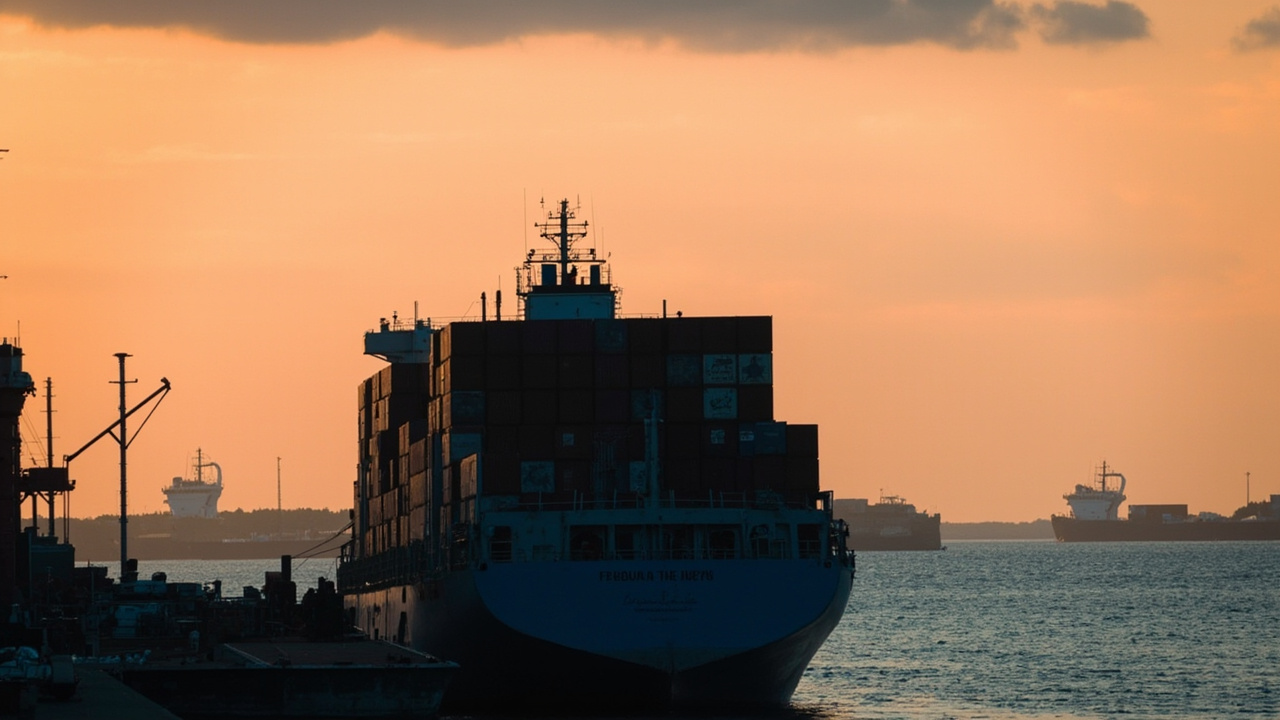
Maersk, the world's second-largest container shipping company, said Wednesday it would seek clarity before committing to Hormuz routing. [1] The statement was not alarmist. It was the kind of precise, operational caution that large shipping companies use to protect themselves from reinsurance exposure — and it told the oil market something important: the ceasefire announcement and the reopening of Hormuz are not the same event.
The distinction matters for three reasons. First, war-risk insurance premiums do not reset on news cycles. Lloyd's joint war committee classifications require formal review periods, not Twitter announcements. Until those reviews complete, vessels routing through Hormuz carry premium costs that make most commercial voyages uneconomical. [2]
Second, the IRGC Navy's physical positioning has not visibly changed as of Wednesday morning. Patrol boats and seized vessels remain in their deployment positions. Their withdrawal is what shippers are actually watching — not diplomatic statements. [1]
Third, at least 150 tankers remain at anchor in open Gulf waters, waiting for the situation to clarify. Getting those tankers moving requires not just a ceasefire but a verified, insured, operationally credible reopening — something that takes days even under optimal conditions. [2]
One bulk carrier, the NJ Earth, completed a Hormuz transit Wednesday under what shipping circles described as "cautious optimism." One vessel is not a data point. It is an experiment. Maersk's caution is the correct institutional response to an experiment with unknown results.
-- DARA OSEI, London