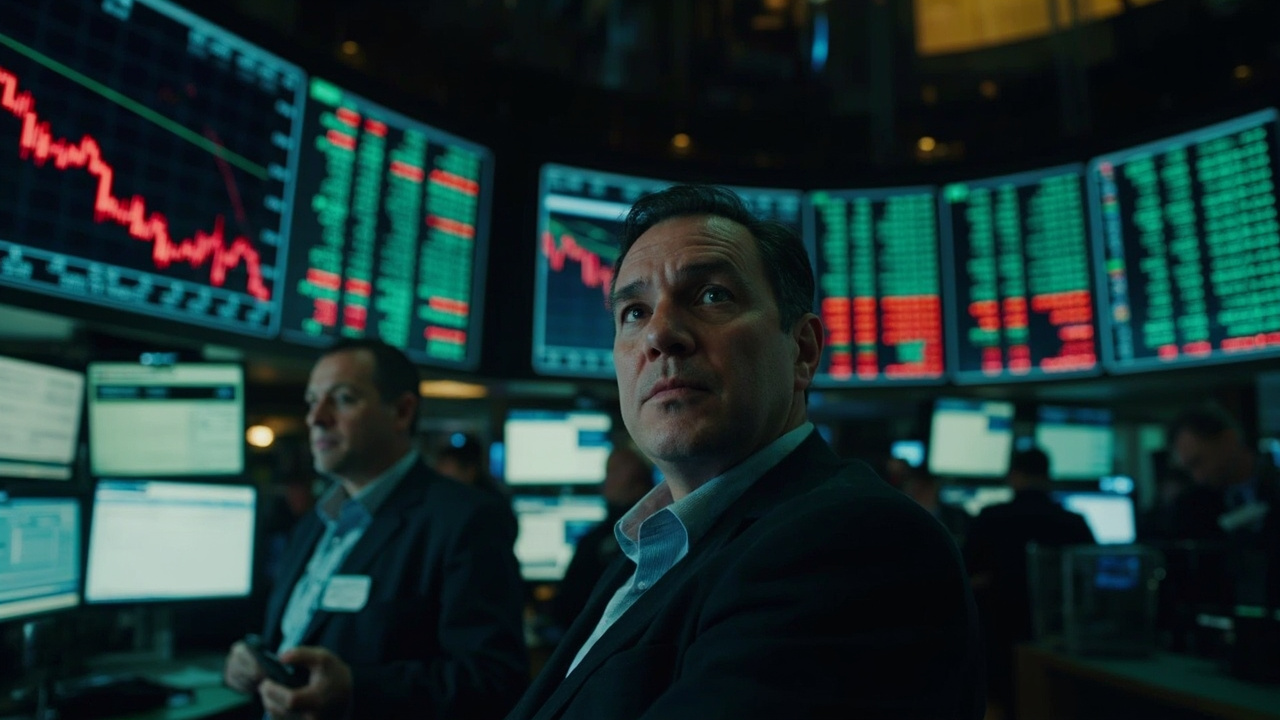
Brent crude fell $15.54 in a single session on Tuesday night — from $109.27 to $93.73 per barrel. WTI crude fell 19% in Asian overnight trading. Natural gas futures declined 5%. Global stock markets surged. The market, which has been accurately described as the world's most efficient pricing mechanism, announced that the war was over. [1]
The war is not over. It is paused for 14 days, with Lebanon explicitly excluded from the ceasefire, attacks resuming within two hours of the announcement, and the Strait of Hormuz partially reopened under conditions that no major shipping company has yet committed to. [2]
This paper reported on April 6 that oil dipped to $108.58 on a ceasefire headline nobody had agreed to. Oil had a harder reaction Tuesday because the ceasefire is real — but the market's structural problem is unchanged: it is pricing sentiment, not supply chain recovery. [3]
The Structural Gap
Oil at $93 is still 33 percent above the pre-war price of roughly $70. The single-session collapse erased a week of gains, not five weeks of war. The market has not priced the return of pre-war supply conditions; it has priced the absence of "Power Plant Day." Those are different commodities, and only one of them exists in storage.
The physical-futures split that has characterized this war remains in effect. Futures traders sold Brent on the ceasefire headline. Physical crude — the oil that tanker operators actually buy for specific delivery voyages — does not move in the same session. Physical prices lag by days or weeks, depending on how quickly shipper confidence returns. [4]
The first vessels transited Hormuz on Wednesday morning: a Greek-owned bulk carrier, two tankers, and at least three additional vessels reported completing the passage under what Reuters described as "cautious optimism." Maersk, the world's largest container line, said it would "seek clarity" before routing ships through Hormuz. The clarity Maersk is seeking includes: the withdrawal of IRGC patrol boats from chokepoints, the removal of naval mines if any were placed, confirmation that war-risk insurance rates have been revised, and the posture of Iran's Revolutionary Guard Navy in the days ahead. None of those conditions exist yet. [5]
The sequence by which those conditions arrive is knowable in advance, because it has run before. Announcement first. Then the Joint War Committee's listed-area reassessment — days, not hours. Then underwriters quoting actual per-voyage premiums — a week or more, and only if no incident resets the board. Then owners committing tonnage, then term contracts repricing into Asia's refineries. Every step is observable: AIS traffic through the Strait, quoted war-risk rates, VLCC day rates, the Brent backwardation curve steepening as near-term scarcity fear drains out. The market skipped to the last page on Tuesday night. The shipping world was still on paragraph one.
What History Says About Headline Rallies
Two precedents hang over Tuesday's trade. In September 2019, the Abqaiq attack knocked out five percent of world supply overnight and Brent posted its largest one-day percentage gain on record — then gave back nearly everything within a fortnight as repairs outran fear. Last June, when Israel and Iran fought their twelve-day war, crude spiked double digits and surrendered the entire move within days of the ceasefire announcement, because nothing structural had actually changed under either price. The lesson of both episodes is that headline spikes unwind faster than physical reroutes. Tuesday's collapse is that mechanism running in reverse: a headline discount applied to a supply chain that takes weeks to reposition. If the ceasefire holds, $93 will look like an overreaction downward. If it wobbles, the same traders who sold the war premium will re-buy it at a markup.
What the Market Got Right and Wrong
What the market got right: the ceasefire is real. Trump and Iran's Supreme National Security Council both confirmed it. The first Hormuz transit happened. The 14-day window will produce negotiations in Islamabad. The immediate escalation risk — "Power Plant Day," named infrastructure strikes on a calendar — is gone. [1]
What the market got wrong: the physical supply chain cannot be restored in a session. The tankers that have been rerouting around the Cape of Good Hope for five weeks are not repositioning overnight. Insurance premiums do not fall when a ceasefire is announced; they fall when the ceasefire is verified over days and weeks. The refinery utilization rates that have been running at crisis levels in Europe and Asia will not recover on Tuesday night. [6]
The sanctions waiver — the 30-day license for Iranian oil stranded at sea, expiring April 19 — is the market's most immediate test. If the ceasefire holds and the Hormuz reopening is genuine, the waiver's expiration becomes a formality: the oil moves freely regardless. If the ceasefire wavers before April 19, the waiver expiration creates the next market crisis. The administration has not indicated whether it will renew. The 11-day window is the market's structural uncertainty that no Tuesday-night rally addresses. [7]
Beneath the waiver sits the sanctioned-trade plumbing that no ceasefire text touches. Millions of barrels of Iranian crude have been changing hands at sea for years through ship-to-ship transfers off Malaysia and the Gulf of Thailand, aboard tankers that switch flags the way commuters switch trains. Those barrels never needed Hormuz to reach buyers, which means part of the supply the war removed was already moving around the blockade by design. A genuine reopening adds legal barrels to illegal ones and pressures prices twice over; a fake reopening changes nothing about them. Traders who want to know whether the ceasefire is real should watch the discount on Malaysian-labeled crude, not the headline count of hulls in the Strait.
Australia and the Second-Order Effects
The ceasefire's most immediate beneficiaries are the countries whose fuel crises were driven by Hormuz transit costs, not by sanctions. Australia — 555 service stations dry, 50-liter caps, a government that cut fuel excise in half on April 1 — announced Wednesday morning that diesel shortages had dropped from 312 to 274 stations. Energy Minister Chris Bowen said supply was secured "well into May." [8]
Whether that improvement reflects the ceasefire or the pre-ceasefire supply chain adjustments is unclear. The Australian government has been routing alternative supply since mid-March. But the ceasefire announcement materially changed the medium-term pricing signal for every fuel-importing country. [8]
Australia is also the cleanest laboratory for the verification lag. A country that imports most of its refined fuel operates on weeks of inventory by design — the national stockpile has run well below the IEA's 90-day obligation for years — which means every day of ceasefire now gets converted directly into tanker bookings and refilled depots, and every relapse would be visible at suburban bowsers within a fortnight. Bowen's "well into May" is a bet placed on the ceasefire holding through its entire fourteen-day window and then some.
The critical question for second-order effects is speed. Mexico's truckers struck over fuel prices. Kenya is at 16 days of reserve. Philippines declared an energy emergency. Cuba runs at 60% grid. For none of these countries does a 14-day ceasefire produce immediate fuel supply. It produces a price signal that may, over weeks, work its way through supply chains that have been optimized for a world without Hormuz. [9]
The market sold oil. The world will wait to see whether that sale was correct — and it will know soon, because the falsifiers are dated: Hormuz transit counts against their February average within a week, war-risk quotes within two, and an OFAC decision on the stranded-oil waiver by April 19. Any one of those can make Tuesday look prescient or premature.
-- THEO KAPLAN, San Francisco