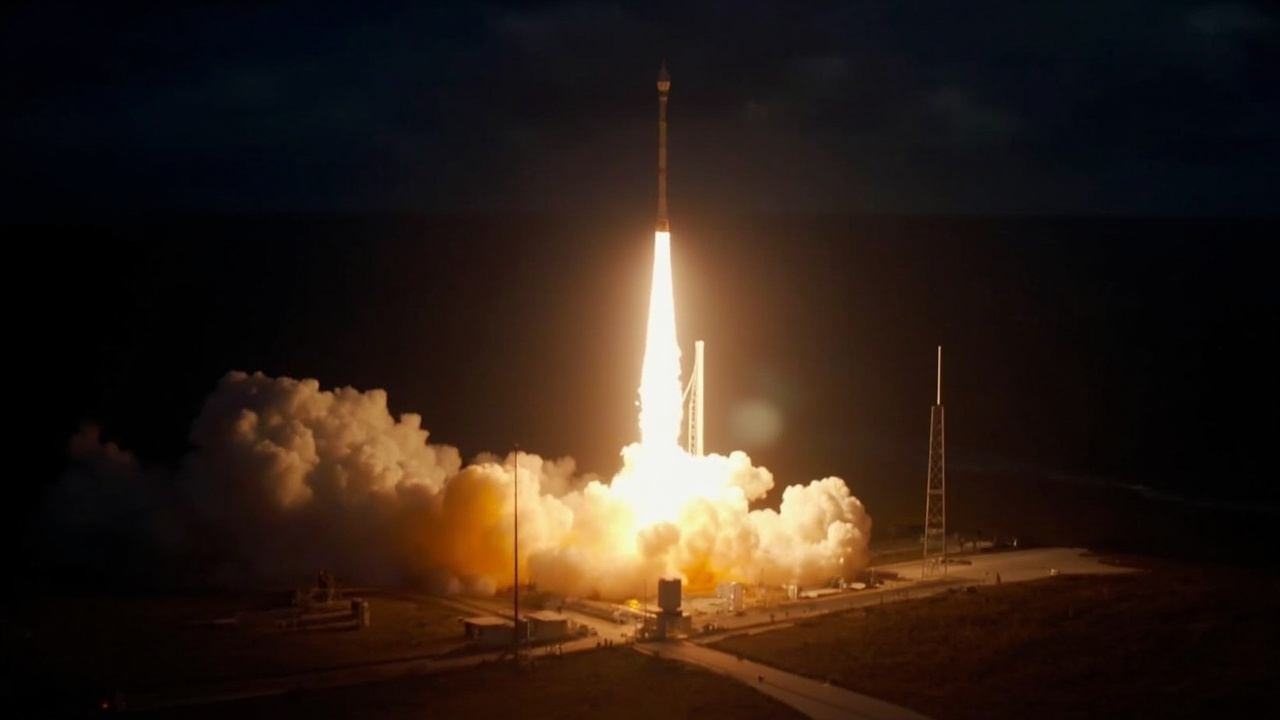
SpaceX filed confidentially for an initial public offering this week, targeting a June 2026 listing at a valuation above $1.75 trillion and a capital raise of more than $75 billion. [1] If it prices at that valuation, it will be the largest IPO in history, surpassing Saudi Aramco's $1.7 trillion debut in 2019.
The confidential filing means SpaceX is now working with regulators and underwriters to prepare a public S-1 disclosure, likely in late May or early June, with a roadshow beginning the week of June 8. [2]
The company's justification for the valuation rests on Starlink, which has grown to more than 10 million subscribers globally. The satellite internet business generates recurring subscription revenue, and its recent acquisition of Musk's xAI adds an AI layer to the asset base. The military and government contract portfolio — including NASA's Artemis program and classified defense launches — provides a regulated revenue floor. [1]
The timing is notable. SpaceX is filing for an IPO while its Artemis II crew orbits the Moon, oil markets are volatile from the ceasefire announcement, and Elon Musk remains enmeshed in government advisory roles that raise conflict-of-interest questions any S-1 will need to address. The convergence of those factors does not make the IPO less likely to proceed — it makes the roadshow more complicated to execute.
The investment banks on the deal — reportedly Bank of America among the bookrunners — have a June window that the war-related volatility could compress or extend. [2]
-- THEO KAPLAN, San Francisco