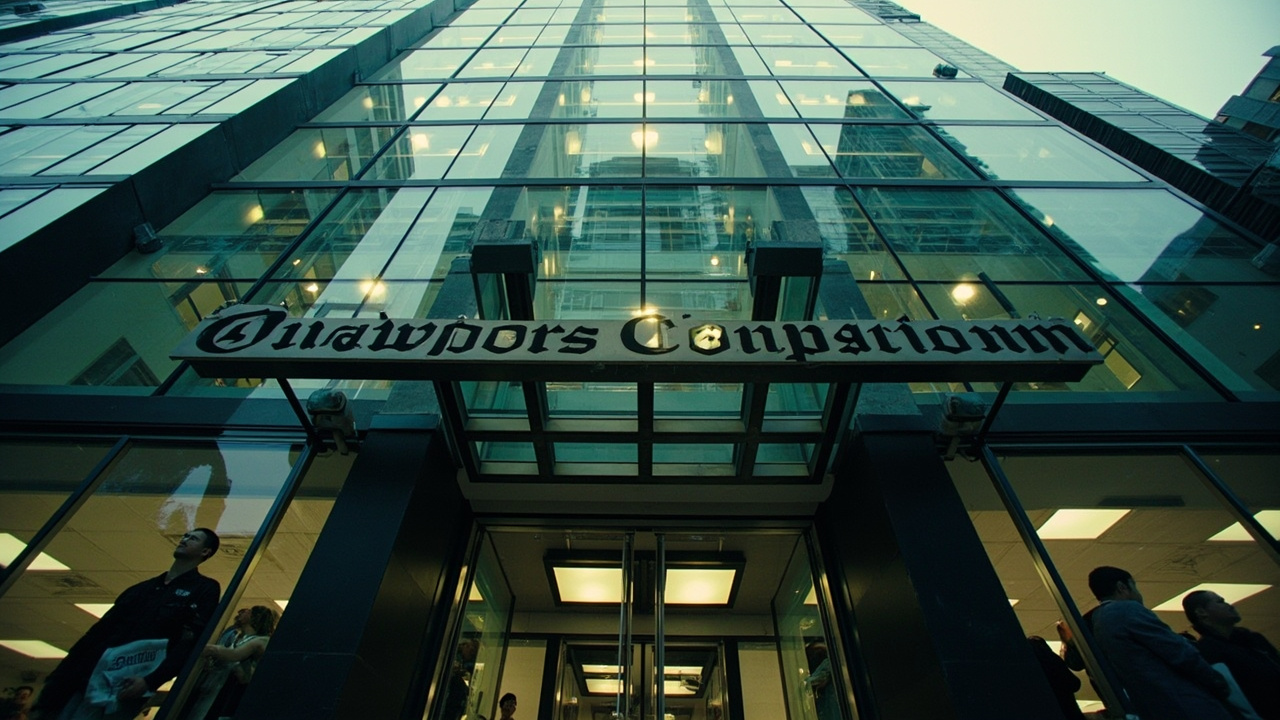
The Washington Post has begun calling back some of the journalists it laid off in February, according to multiple reports this week. [1] The selective rehiring follows cuts that eliminated roughly one-third of the newsroom — more than 300 positions — in what the paper described as a restructuring to reduce costs and focus editorial resources.
The names reported as accepting return offers include Nitasha Tiku, the tech culture reporter who covered the AI industry, and Jake Spring, a climate reporter. Senior national political correspondents were also among those offered positions back. [2]
The pattern has not gone unnoticed by press freedom and labor advocates. Laying off a large cohort and then selectively rehiring at potentially different compensation terms is a legal mechanism for restructuring union contracts and seniority arrangements. Whether that is the operative logic at the Post has not been publicly confirmed by management.
The timing — a February collapse in staffing followed by April rehires — coincides with the Iran war period in which the Post was nominally covering one of the largest news events of the decade with a skeletal staff. The paper did publish Iran coverage throughout March and April, relying partly on wire services and contributor arrangements. How much institutional knowledge was lost in February, and how quickly selective rehires can rebuild it, are questions the Post's leadership has not publicly addressed. [1]
The rehires are not a restoration. They are a signal about what the February cuts actually were: a restructuring that preserved some capabilities while permanently shedding others. [2]
-- ANNA WEBER, Berlin