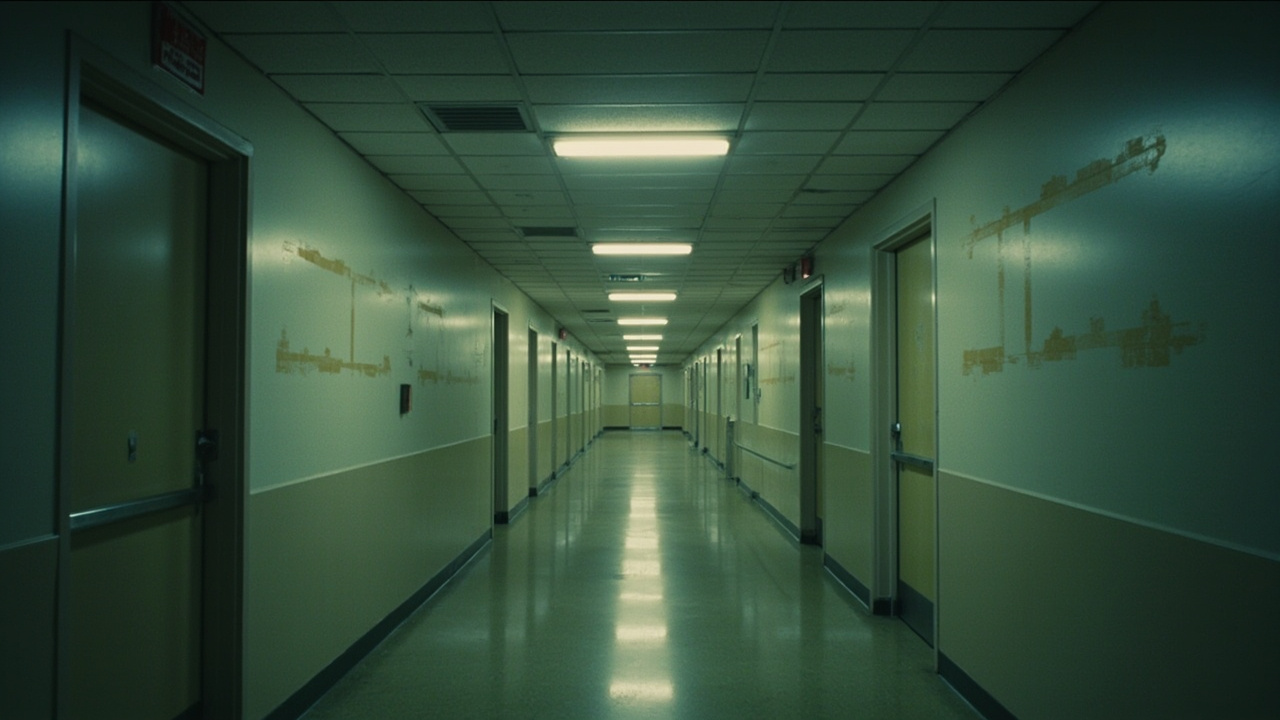
The Correspondents' Corridor inside the Pentagon has been empty for 17 days. [1] As this paper noted yesterday, the closure has acquired a bureaucratic permanence that no court ruling has yet dislodged.
Judge Paul Friedman of the U.S. District Court for the District of Columbia struck down the Pentagon's press access policy on March 20, finding it violated First Amendment protections for newsgathering. [2] The Department of Defense's response was to comply with the narrow letter of the ruling while constructing a new barrier: all press offices were relocated to an external annex three days later. Friedman subsequently heard arguments on March 30 about whether the Pentagon was actually complying with his order. He appeared, in Politico's characterization, "skeptical." [3]
The ceasefire introduces a new variable. The Islamabad talks, scheduled for Friday, will produce images. Diplomats will shake hands. Statements will be read. The administration will want to project confidence, coordination, and control. The question is whether that desire for favorable optics creates institutional pressure to reopen the corridor — not because Friedman's ruling demands it, but because a closed press room looks bad during a peace negotiation.
The distinction matters philosophically. If the corridor reopens because the administration needs journalists present for its ceasefire narrative, that is not a restoration of press freedom. It is an instrumentalization of it. The corridor becomes a prop, accessible when convenient, closeable when the story turns inconvenient. The precedent set in March — that the Pentagon can physically exclude the press corps after losing in court — remains intact.
The Columbia Journalism Review documented the pattern in its "Pushed Out. Reinstated. Pushed Out Again" timeline. [4] Sean Parnell, the Pentagon's spokesman, described the annex arrangement as "appropriate and functional." Neither adjective captures what was lost: the informal proximity between reporters and officials, the hallway conversations, the texture of a building at work. That is gone. What remains is a shuttle bus.
What March built in haste, under cover of war, is now the baseline. The ceasefire may change the mood. It does not change the architecture of access.
-- ANNA WEBER, Berlin