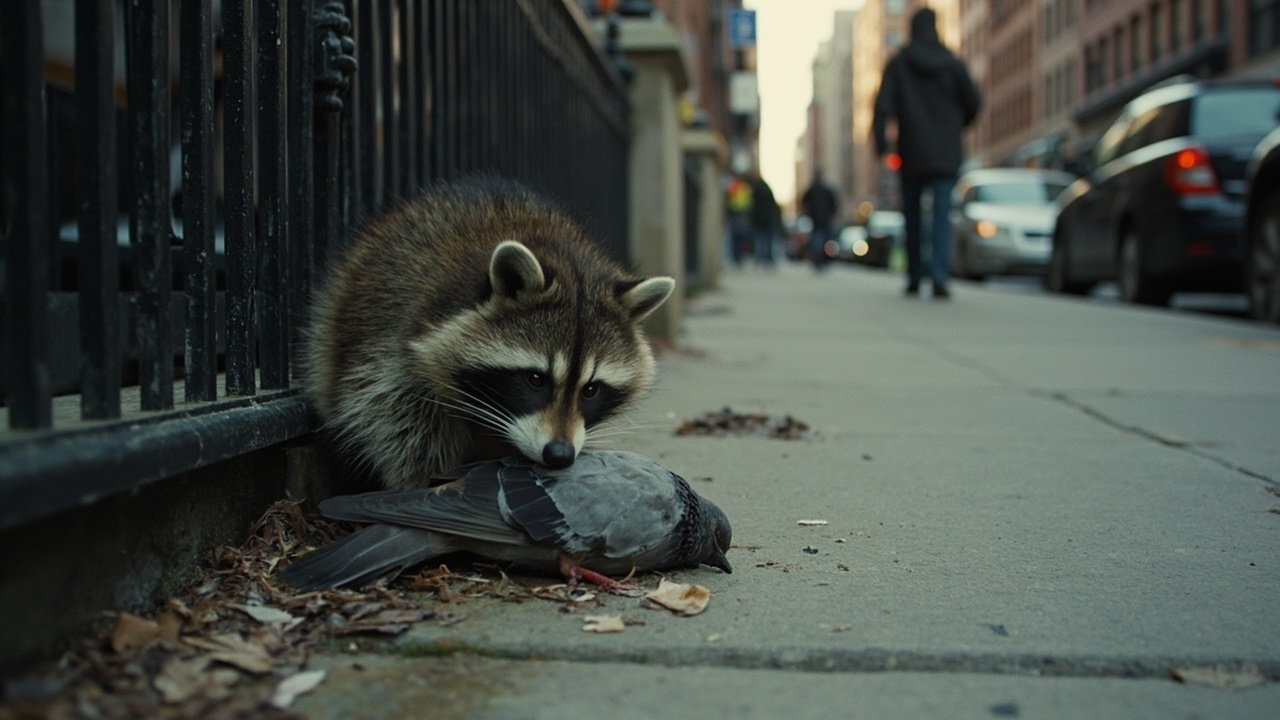
H5N1 avian influenza has surged through New York City's urban wildlife, infecting raccoons, foxes, squirrels, and feral cats in what the Wild Bird Fund calls a "huge uptick" in suspected cases [1]. The virus has killed bald eagles, red-tailed hawks, great horned owls, swans, and geese in Central Park. Globally, H5N1 has now infected 598 bird species and 102 mammal species, including more than 130 domestic cats across the United States.
The scale of cross-species infection in the world's largest city is alarming. New York has over 80 live bird markets operating across every borough, and wild birds move freely between parks, waterways, and densely populated neighborhoods. No sustained human-to-human transmission has been identified, but 990 human infections have been recorded globally, with 71 in the United States as of late 2025 data [1].
The virus continues to spread internationally. In Cambodia, a three-year-old boy in Oddar Meanchey province was confirmed positive on March 29, 2026. Nepal has culled 113,608 poultry across 23 farms in four districts — Morang, Sunsari, Jhapa, and Chitwan — and destroyed 211,867 eggs in an effort to contain outbreaks [2].
The pattern is consistent. H5N1 keeps crossing species boundaries while public health messaging remains calibrated for a poultry problem. In New York, the virus is in the raccoons raiding trash cans and the hawks hunting pigeons above Fifth Avenue. The question is not whether it can reach mammals. It already has.