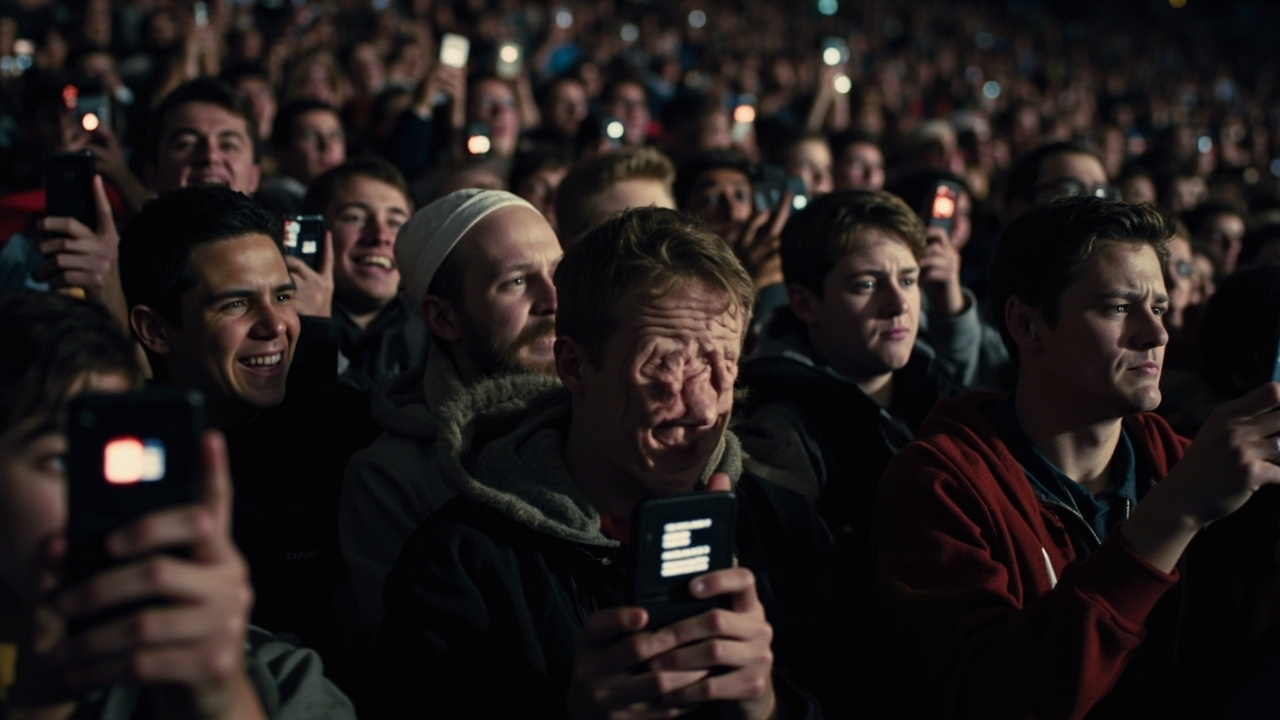
On January 22, the ARMY Membership presale for BTS's ARIRANG World Tour opened on Ticketmaster, and the platform did exactly what it has done every time demand exceeds its infrastructure: it collapsed [1]. Queue numbers exceeded 500,000 in multiple markets. Some cities reported figures approaching one million. Fans who had waited months for their first chance to see all seven members perform together since completing military service were met with error codes, site crashes, and the particular cruelty of being kicked to the back of a queue after reaching the front [2].
The numbers are staggering in their specificity. At MetLife Stadium, over 48,000 fans sat in the virtual queue for a single venue [2]. In Chicago, queue positions started at 35,000 and fans reported sitting for over thirty-five minutes to move down to 20,000 [2]. One fan documented the experience in real time on X: "My Ticketmaster current queue for BTS ARIRANG world Tour in Chicago Started at 35K and thirty five minutes later at 20K." The arithmetic of the queue — thousands of people competing for thousands of seats through a system designed to process hundreds — is the arithmetic of failure by design.
This is the ARIRANG World Tour, BTS's first full-group world tour since the members completed their mandatory South Korean military service. The tour supports the album "Arirang," released on March 20, and represents the reunion that ARMY — the fandom whose organizational capacity rivals small nation-states — has anticipated for years [1][3]. Dates span Goyang, London, Los Angeles, Tokyo, and additional cities. Some markets saw additional dates added after initial shows sold out in under an hour. VIP ticket prices ranged from approximately €490 to €590, roughly $576 to $693 at current exchange rates [3].
The presale chaos was not an anomaly. It was a pattern repeating itself with the predictability of infrastructure that has never been adequate for the demand it serves. Ticketmaster's parent company, Live Nation, is currently facing both an FTC lawsuit and a Department of Justice antitrust case arguing that the company's monopoly over ticketing and live entertainment results in exactly the kind of consumer harm that played out on January 22 [1][2]. Every crash, every error code, every fan kicked from the queue after reaching checkout is a data point in the government's case.
InMusic Blog reported that some markets saw queues approaching one million users, a figure that exposes the fundamental mismatch between supply and demand in modern concert ticketing [3]. The issue is not merely technical. Ticketmaster's architecture was not built for this volume because building for this volume would be expensive, and Ticketmaster faces no competitive pressure to make that investment. When you are the only platform that major venues and promoters use, there is no market consequence for failure. Fans cannot take their business elsewhere because there is no elsewhere.
The fan response was extraordinary in its documentation. ARMY did not simply complain — they compiled evidence. Screenshots of error messages, timestamps of crashes, recordings of queue positions resetting, and receipts showing price fluctuations were shared across X, TikTok, and fan forums within minutes [2]. The collective documentation effort turned millions of frustrated consumers into what amounts to a crowdsourced legal brief. Every post is potential exhibit material for regulators arguing that Ticketmaster's market position causes measurable consumer harm.
Multiple shows sold out despite the chaos. Tampa saw additional dates added to accommodate overflow demand [1]. The concerts will happen. ARMY will fill every seat, stand in every general admission section, and create the kind of synchronized concert experience that has made BTS the defining live act of their generation. The problem is not that people cannot buy tickets. The problem is that the process of buying tickets has become an endurance test administered by a monopoly with no incentive to improve.
The DOJ antitrust case against Live Nation is the most significant challenge to the company's dominance since the merger with Ticketmaster was approved in 2010. The BTS presale provides the prosecution with something more powerful than legal theory — it provides a narrative. Millions of young people, many experiencing their first encounter with monopoly pricing and infrastructure failure, watched in real time as a system built for profit rather than service failed to deliver a basic consumer transaction [1][2].
The tour begins this month in Goyang, South Korea, where the ticketing infrastructure is not controlled by Ticketmaster. Shows in Seoul sold out through domestic platforms without the catastrophic failures that characterized the American and European presales. The comparison is instructive. The demand is equally massive. The infrastructure is different. The outcomes diverge.
BTS will tour the world. The shows will be spectacular. And somewhere in a federal courtroom, lawyers will enter into evidence the screenshots of a million people waiting in a queue that a monopoly had no reason to fix.