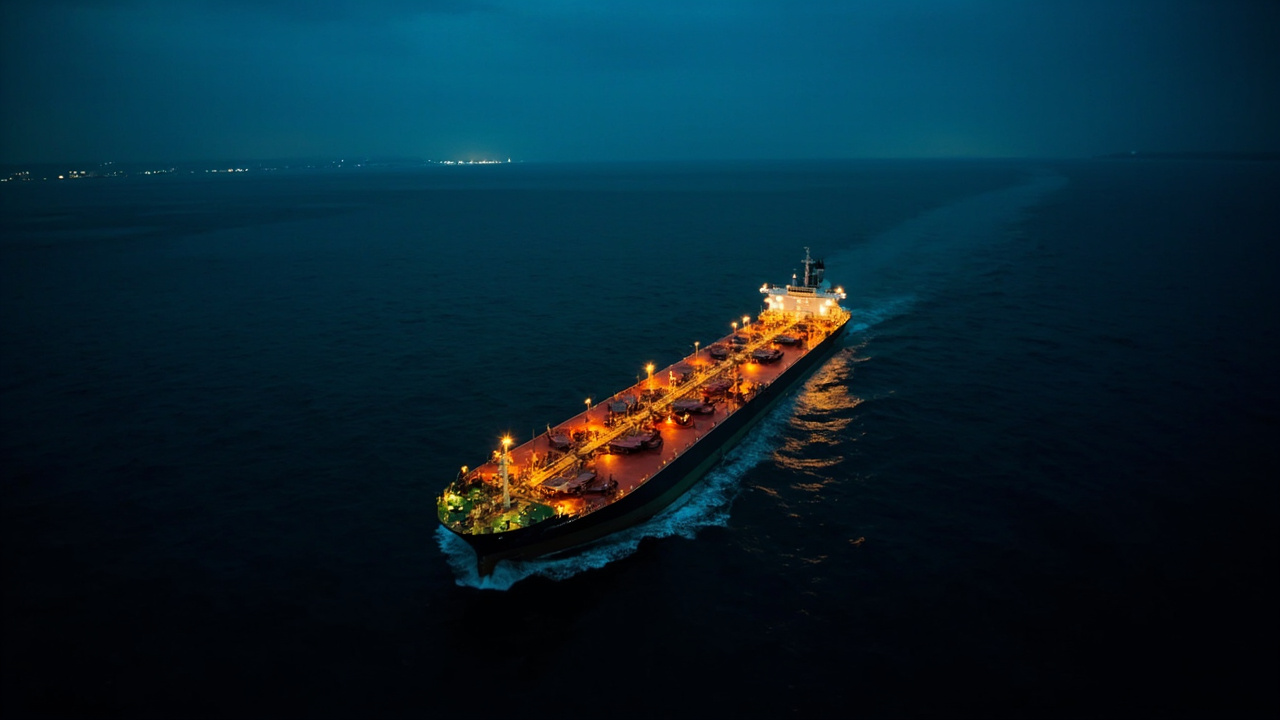
Eight days from today, on April 19, the thirty-day sanctions waiver the United States Treasury Department issued for Iranian oil at sea will expire, and the approximately 140 million barrels of crude that the license released into global markets will either need a new authorization or revert to sanctioned status — stranding cargoes, freezing payments, and reintroducing chaos into an oil market barely stabilized after the Hormuz blockade. [1] Separately, the sanctions waiver covering Russian oil expires today, Saturday, April 11. Reuters reported Thursday that the administration is expected to extend it, though no formal announcement had been made by Friday evening. [1]
Neither waiver is on the agenda in Islamabad, where American and Iranian delegations have gathered for proximity talks nominally about ending the war. The absence is not an oversight. It is a tell.
The Iranian Waiver
Treasury posted the Iranian oil license — General License H — after market hours on March 20, a Friday, with no press conference and no senior official willing to attach their name to it. [1] The license authorized "temporary delivery, transportation, and sale of petroleum and petroleum products originating in Iran" for thirty days, covering oil already at sea and in many cases already en route to buyers in India, China, and Turkey. [4]
The Ping Shun, a very large crude carrier loaded with approximately 600,000 barrels at Iran's Kharg Island terminal, became the first vessel to deliver a waiver cargo to India, docking at Paradip port in Odisha in late March. [3] Payment was routed through Indian rupees deposited in a restricted account at UCO Bank — the waiver authorized delivery but did not unfreeze Iran's SWIFT access. [3]
The contradiction is not subtle. As of March 20, the United States was actively bombing Iranian nuclear and military infrastructure — Isfahan, Bushehr, Bandar Abbas, IRGC command facilities. The stated objective was to compel Iran to abandon its nuclear weapons capability. In the same week, Treasury authorized the sale of Iranian oil — oil whose revenues flow to the government being bombed. [2]
"Funding Both Sides"
Mark Dubowitz of the Foundation for Defense of Democracies called it "the most incoherent sanctions policy in the history of American statecraft." [2] The phrase "funding both sides" — born on X in the hours after the license posted, since adopted by critics from progressive antiwar activists to hawkish Republican senators — captures the accusation. The United States is spending billions prosecuting a military campaign against Iran while authorizing Iran to sell the commodity that funds its military.
The administration's defense, per unnamed Treasury officials in background briefings, is that the waiver addresses market stability, not strategy. [1] The oil was at sea. The buyers had committed. Stranding 140 million barrels would have produced a supply shock raising global prices and punishing allied nations like India. The waiver was triage.
The framing has not persuaded critics, because it requires accepting that military operations and sanctions policy operate in separate universes. They do not. Sanctions are the economic complement to military pressure. A waiver releasing 140 million barrels of revenue to the target of that pressure is not complementary. It is contradictory.
The Russian Waiver
The Russian oil waiver, expiring today, operates under different strategic logic but produces identical political optics. It authorized continued purchases of Russian oil by refineries in India and Turkey at prices above the G7 cap of $60 per barrel, suspending the enforcement mechanism designed to limit Russia's war revenues. [1]
Reuters reported the administration plans a third extension, describing it as necessary to avoid disrupting energy supplies during the Iran crisis. [1] Each extension has been framed as temporary. Each has been extended. The pattern is familiar: waivers introduced as emergency measures, extended as conditions demand, becoming permanent in everything but name. Sanctions remain on the books, allowing maximum-pressure rhetoric. Waivers remain in place, allowing oil to flow.
The Tanker Trackers
The most granular reporting on compliance has come from open-source intelligence analysts tracking vessel movements via satellite and AIS data. TankerTrackers reports that Iranian oil exports have averaged 1.4 million barrels per day since the waiver — roughly in line with pre-sanctions levels. [1] Buyers in India, China, Turkey, and undisclosed parties transshipping through Malaysian and Omani ports are treating the waiver not as a temporary reprieve but as a signal that enforcement will not resume. [3]
April 19 will test that assumption. If the Iranian waiver expires without extension, cargoes at sea lose legal protection. Insurers withdraw cover. Banks freeze transactions. Vessels carrying Iranian crude become floating liabilities. If the waiver is extended — as the Russian one is expected to be today — then the sanctions regime against Iran will have been functionally suspended for sixty days during an active military campaign.
The delegations at the Serena Hotel have other matters to discuss — enrichment, Hormuz, prisoners. But eight days from now, the oil market will ask a simpler question: does the United States enforce its own sanctions, or doesn't it?
-- THEO KAPLAN, San Francisco