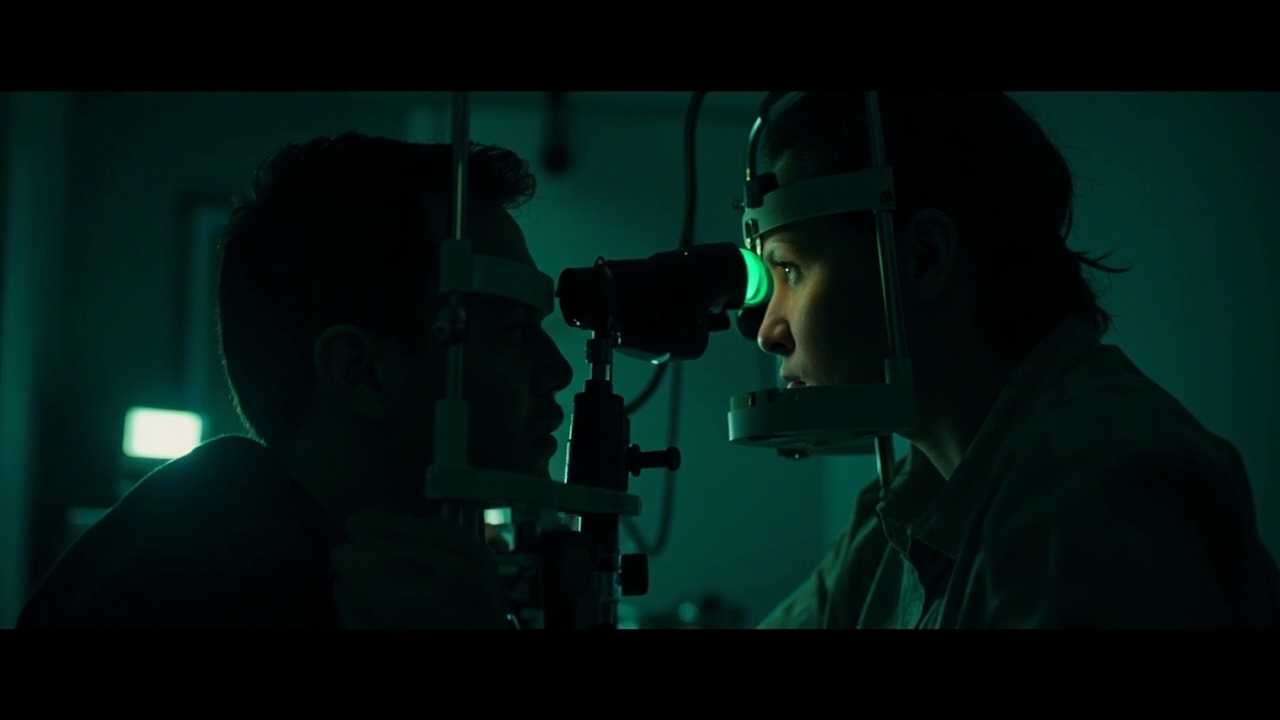
One day after the FDA approved Foundayo, the first oral GLP-1 pill, the American Optometric Association is reminding physicians and patients that the drug class carries a rare but documented risk of sudden vision loss. The timing is not coincidental. With roughly one in eight American adults having taken a GLP-1 receptor agonist at some point, and a new oral formulation poised to expand that number further, optometrists want the conversation about eyes to happen before the prescription is filled. [1]
The primary concern is non-arteritic anterior ischemic optic neuropathy, or NAION — a condition in which blood supply to the optic nerve is abruptly cut off, causing sudden, painless vision loss in one eye. The European Medicines Agency classified NAION as a "very rare" side effect of GLP-1 drugs, affecting up to one in 10,000 users. A meta-analysis of 15 GLP-1 studies published in Diabetes Care found an increased NAION risk of 0.04 percent above comparator groups — roughly one case per 2,700 patients treated. [1]
"Because so many people have added this as a weight loss management treatment, we of course have seen more and more things come about as a result of taking it long term," said Dr. Jacquie Bowen, president of the AOA. She noted that the association has also observed increased risks of diabetic retinopathy and wet macular degeneration in patients on semaglutide-based medications like Ozempic and Wegovy. [1]
The risk profile extends beyond NAION. A BMJ analysis published March 10 identified possible associations with retinal vascular occlusion, vitreous hemorrhage, and papillitis. The data suggested a higher relative risk with Wegovy compared to Ozempic, though absolute risk remained low for both. [1]
The AOA's recommendations are straightforward: a baseline dilated eye exam before or shortly after starting any GLP-1 medication, a follow-up roughly one month later, and annual exams while on the drug. Symptoms warranting immediate attention include sudden painless vision loss, dark or missing areas in the visual field, and changes in color perception. [1]
The warning arrives at a moment of rapid market expansion. Semaglutide is estimated to be prescribed to 15 million individuals in the United States alone. Tirzepatide-based drugs like Mounjaro and Zepbound are growing fast behind it. Foundayo's oral format removes the injection barrier that kept some patients away, potentially adding millions more users who may never have considered the drug class before. [1]
"Any sudden change, even if it doesn't hurt and it's not really messing up your day, do report that to your optometrist," Bowen said. The message is less alarm than arithmetic: when tens of millions take a drug, even a one-in-10,000 risk produces thousands of cases. [1]
-- NORA WHITFIELD, Chicago