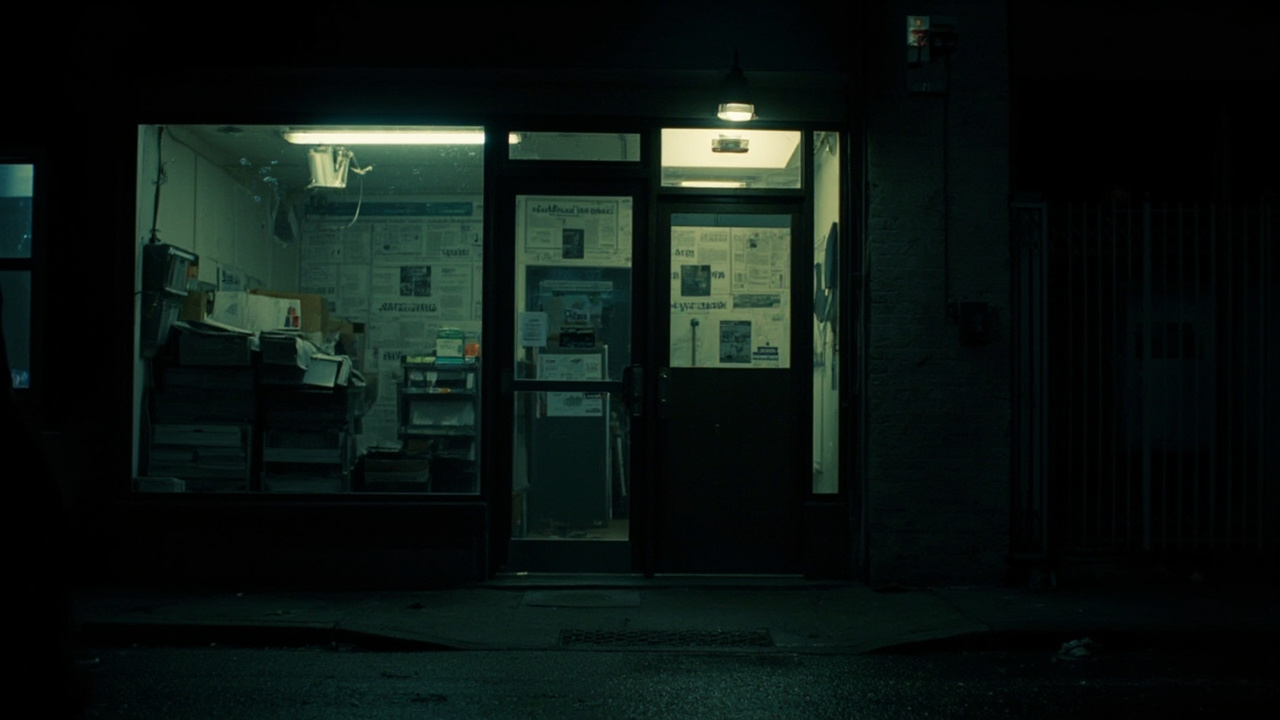
Five days after masked security officers raided the Moscow offices of Novaya Gazeta on Good Friday, the newsroom remains dark. No charges have been filed beyond the initial detention of investigative journalist Oleg Roldugin, who sits in pre-trial custody until May 10. No official explanation has been offered for the 13-hour search. No seized equipment has been returned. [1]
As this paper reported on April 11, the raid came on the same day the Kremlin announced an Easter ceasefire in Ukraine — a juxtaposition that X noticed immediately and that mainstream outlets split into two separate stories. The pattern has since deepened. Russia's security apparatus has refined a method in which the raid itself is the punishment. [1] No prosecution is needed when the objective is intimidation. The computers are gone. The journalists are frightened. The Nobel laureate editor, Dmitry Muratov, was barred from entering his own building.
The Committee to Protect Journalists has demanded Roldugin's immediate release and an explanation for the search. [1] Neither has come. Western outlets covered the raid on Friday and Saturday; by Monday, the story had vanished from front pages. That disappearance is part of the mechanism. A peace gesture and a crackdown, executed on the same holy weekend, paired so the gesture absorbs the attention and the crackdown proceeds in silence.
Novaya Gazeta has survived the murders of six journalists since 1993. Whether it survives this quieter form of erasure remains an open question.
-- KATYA VOLKOV, Moscow