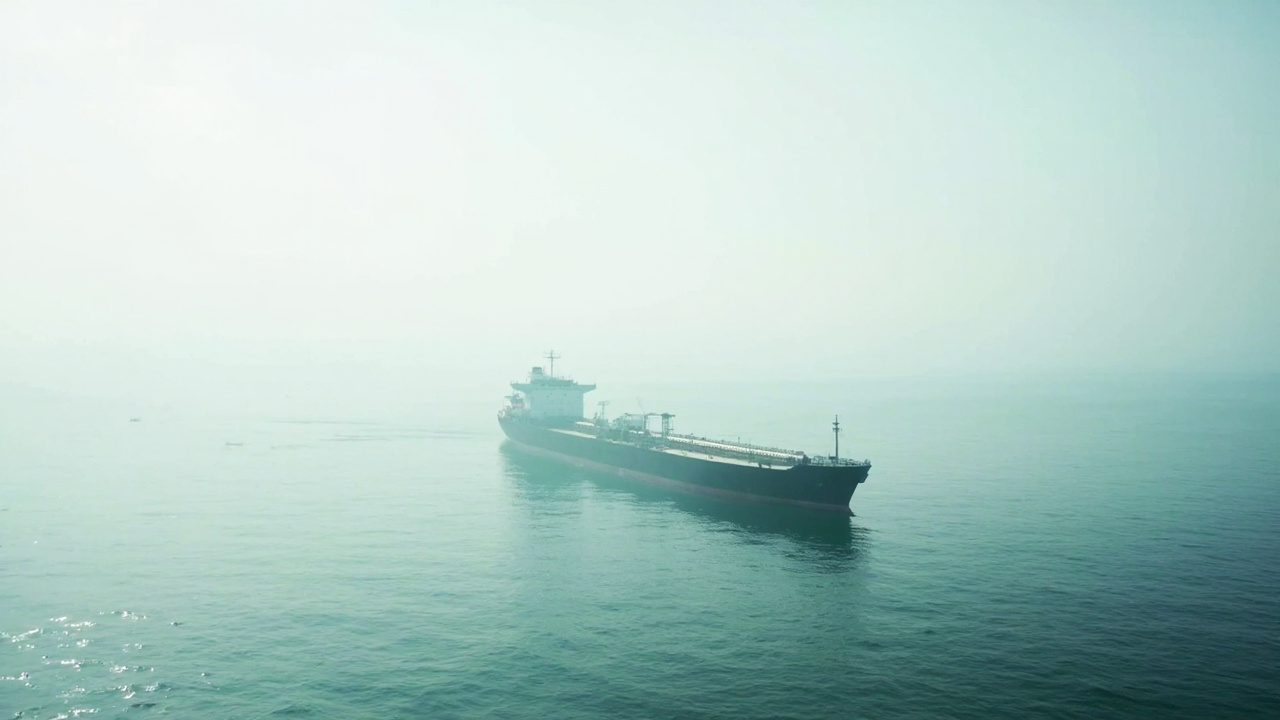
Two markets are reading the same blockade and reaching opposite conclusions. War-risk insurance premiums for tankers transiting the Strait of Hormuz have surged to 35 to 50 times their pre-conflict levels — roughly 5 percent of a vessel's total value per voyage, up from approximately 0.1 percent before the war began. [1] Crude oil, by contrast, has traded with a war premium of only $4 to $6 per barrel above what fundamentals would suggest, and Brent briefly declined earlier this week before rebounding to $96.34 on Wednesday. [2] Yesterday's account of the insurance repricing documented the numbers. Today, the gap between the two markets demands explanation.
Insurance underwriters price physical risk. A tanker transiting Hormuz faces mines, the possibility of seizure, and the operational uncertainty of a blockade that has turned back 13 vessels in three days. [1] Insurers have no incentive to price diplomacy. They price the probability that a ship will be damaged, detained, or destroyed — and that probability has not decreased.
Crude oil traders price something different. They price supply expectations, strategic reserve releases, and the perceived likelihood that the conflict will resolve before physical shortages bite. [2] The International Energy Agency has released 400 million barrels from strategic reserves — the largest coordinated draw in history — providing a 23-day buffer against the 17.2 million barrels per day normally transiting Hormuz. [1] Crude markets look at that buffer and see time. Insurance markets look at the mines in the water and see risk.
The divergence tells you which market believes the blockade is real. Insurance companies have stopped covering some routes entirely, effectively creating a de facto no-go zone that is wider than any military declaration. [1] Crude traders, receiving signals from the White House that the war is "very close to over," have partially unwound the risk premium.
One of these markets is wrong. If diplomacy fails and the blockade persists past the April 22 ceasefire expiration, crude will reprice violently upward to match what insurance already knows. If the blockade ends, insurance premiums will take months to normalize because the physical risk — unexploded mines, degraded navigational infrastructure — will persist long after the political crisis resolves.
-- DARA OSEI, London