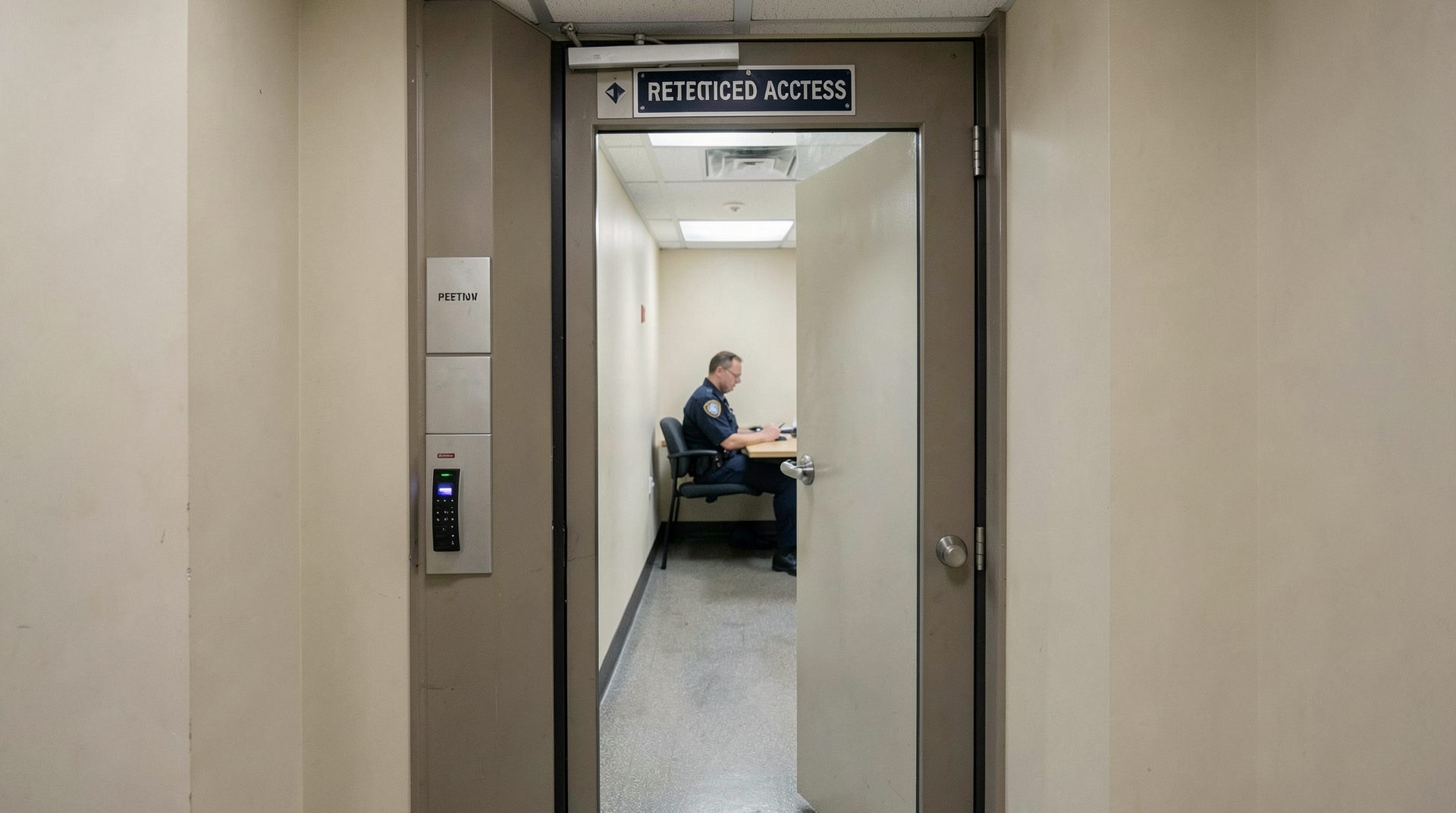
Judge Paul Friedman's April 9 ruling that the Department of War was violating his March 20 preliminary injunction on press access entered Day Twelve on Tuesday with the Pentagon's appeal still unperfected and the Correspondents' Corridor still closed to unescorted reporters. [1] The paper's Sunday account of Day Two found the ruling with no enforcement mechanism attached. Ten days further on, the mechanism is still not there. What is new on the calendar is Article 4 — Obstruction of Congressional Oversight — in the seven-page impeachment resolution Representative Yassamin Ansari filed April 15.
The April 9 ruling was Friedman's fourth consecutive finding in the New York Times plaintiffs' favor. Friedman wrote that the Pentagon "cannot simply reinstate an unlawful policy under the guise of taking 'new' action and expect the Court to look the other way," language that the April 9 PBS NewsHour account paired with the Pentagon's stated intention to appeal. [2] That appeal was docketed within hours to the D.C. Circuit. It has produced no expedited-hearing order. The plaintiffs' counsel has not, as of Tuesday morning, filed a contempt motion against the April 9 finding. The Pentagon has not taken a compliance step. The hallway remains closed.
Article 4 of the Ansari resolution is narrower than the Iran-war counts that open it but sharper in its application to the courtroom. It accuses Hegseth of "efforts to obstruct the constitutional oversight responsibilities of Congress" — withholding information, interfering with notification requirements, and, by the resolution's framing, engaging in a pattern of non-cooperation across military theaters and domestic policy. [3] The resolution was filed at the Clerk of the House on Wednesday, April 15, with twelve Democratic co-sponsors. [4] Six days later, it has zero Republican co-sponsors. The House Judiciary Committee has not noticed a markup. The resolution will not come to the floor on Speaker Johnson's calendar. Every House Democrat watching knew this before filing.
The filed articles, then, are not a legislative vehicle. They are a documentary one. Article 4 enters the congressional record the specific charge that a federal judge has four times found the Department of War to be violating a court order on press access, and that the Department has in no instance complied. The sequence the paper traced in April 17's four-mechanisms account — ruling, non-compliance, ruling, non-compliance — now has a formal name attached. The executive branch's choice not to comply is no longer only a matter for the trial docket. It is in Article 4.
What Article 4 cannot do is move the hallway door. Friedman's remedial options — civil contempt, a special master, mandamus — remain unexercised. The Pentagon's appeal schedule remains unset. The New York Times plaintiffs' counsel remains, so far, unwilling to force the contempt question. Twelve days is now the measure of a federal injunction on a First Amendment right that the executive branch has chosen to read as advisory.
-- SAMUEL CRANE, Washington