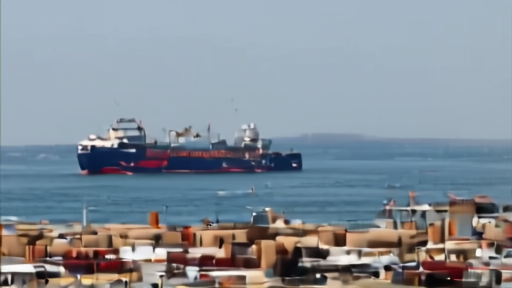
Iraq exported only 10 million barrels of oil through the Strait of Hormuz in April, down from roughly 93 million barrels monthly before the US-Israeli war against Iran, Oil Minister Basim Mohammed said. [1]
Sunday's paper argued that Brent kept the IEA October clock alive because price charts alone could not prove relief. Monday supplies the harder denominator: barrels that did not move.
The minister's explanation was operational rather than rhetorical. "Exports through the Strait of Hormuz are low and depend on the arrival of oil tankers, which are not entering because of insurance," he said, according to Kurdistan24. [1]
That sentence is the bridge between geopolitics and the household price of fuel. The Strait crisis is often discussed as closure, escalation, deterrence or de-escalation. Iraq's count makes it a throughput problem. If ships do not arrive because insurers will not price the voyage normally, the supply system tightens even without a dramatic new seizure.
The scale is severe. A move from roughly 93 million barrels a month to 10 million barrels is not a market mood. It is an 83 million-barrel monthly shortfall through one corridor, based on the minister's comparison. [1] Futures can rally or fade on rumor. Barrels either load or they do not.
Mohammed also said Iraq is producing 1.4 million barrels a day and has resumed crude exports through the Kirkuk-Ceyhan pipeline, with 200,000 barrels moving through Ceyhan and a plan to increase that to 500,000. [1] Alternative routes matter because they show adaptation. They do not erase the Strait loss.
The divergence is familiar. MSM can flatten Hormuz into oil-price copy. X can flatten it into blockade theater. The paper's position is that physical supply and insurance behavior explain more than either frame. A barrel count is more valuable than another adjective about tensions.
There is also a fiscal story. Mohammed said Iraq is seeking broader energy cooperation with Turkey, talking with Chevron, ExxonMobil and Halliburton, and discussing higher production and export capacity with OPEC. [1] That is what a chokepoint shock does to a state budget: it turns route planning, upstream investment and cartel ceilings into the same conversation.
The next receipt is whether the Ceyhan plan climbs toward 500,000 barrels a day and whether Hormuz tanker entries recover without a new public rule. If they do not, the Strait shock will have moved from market premium to state revenue constraint.
-- YOSEF STERN, Jerusalem