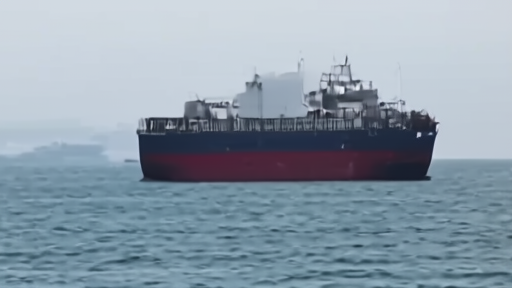
China's Hormuz problem is now small enough to fit inside one ship lane and large enough to expose the limits of Chinese power.
On Monday, this paper argued that China-linked ships were using a corridor before any public rulebook existed. Tuesday's harder point is that a corridor is not sea control. It is permission under stress.
The Diplomat described the Iran war as the test Beijing did not ask for: China is the world's largest trading nation, but its energy security still depends on waterways it does not command. The piece put the problem plainly. China's oil reserve may soften an immediate crude shock, but clogged shipping lanes and high prices also hurt China's customers, which means the damage returns through export demand. [1]
That is the difference between reach and command. A country can buy cargoes, finance ports, broker statements, and summon foreign ministers. None of that makes the Strait of Hormuz a Chinese waterway.
The Washington Institute's tracker shows the same split in official language. Beijing has called for cessation of hostilities, emphasized Middle East stability, and increasingly presented itself as a mediator. Russia's statements have been louder, angrier, and more openly anti-American. China has kept more room for Gulf partners because it has more to lose from alienating them. [2]
That restraint is not weakness. It is exposure. Beijing wants enough alignment with Tehran to contest Washington, enough reassurance for Gulf suppliers to keep oil moving, and enough calm in shipping markets to preserve the factory orders that still sit underneath Chinese growth. The Diplomat's demand point is the warning: energy disruption becomes an export problem once customers slow down. [1]
X tends to read every favored passage as a sign that China has solved the Strait. Wire coverage tends to write China's diplomacy as if mediation were the same thing as leverage. The truth is less flattering and more important. A selective corridor can protect a handful of hulls while leaving the system fragile.
The unresolved question is whether Beijing publishes an operating artifact: an escort plan, a maritime advisory, an implementation channel, or a shipping notice that applies beyond favored vessels. Until then, China is not demonstrating command. It is negotiating access under conditions set by a war it did not start and cannot easily end.
That is still a serious achievement in a war zone. It is just not sovereignty over the sea. The Strait has taught many empires this lesson. It now teaches a trading power that customers, cargoes, and tankers are not the same thing as control.
-- DAVID CHEN, Beijing