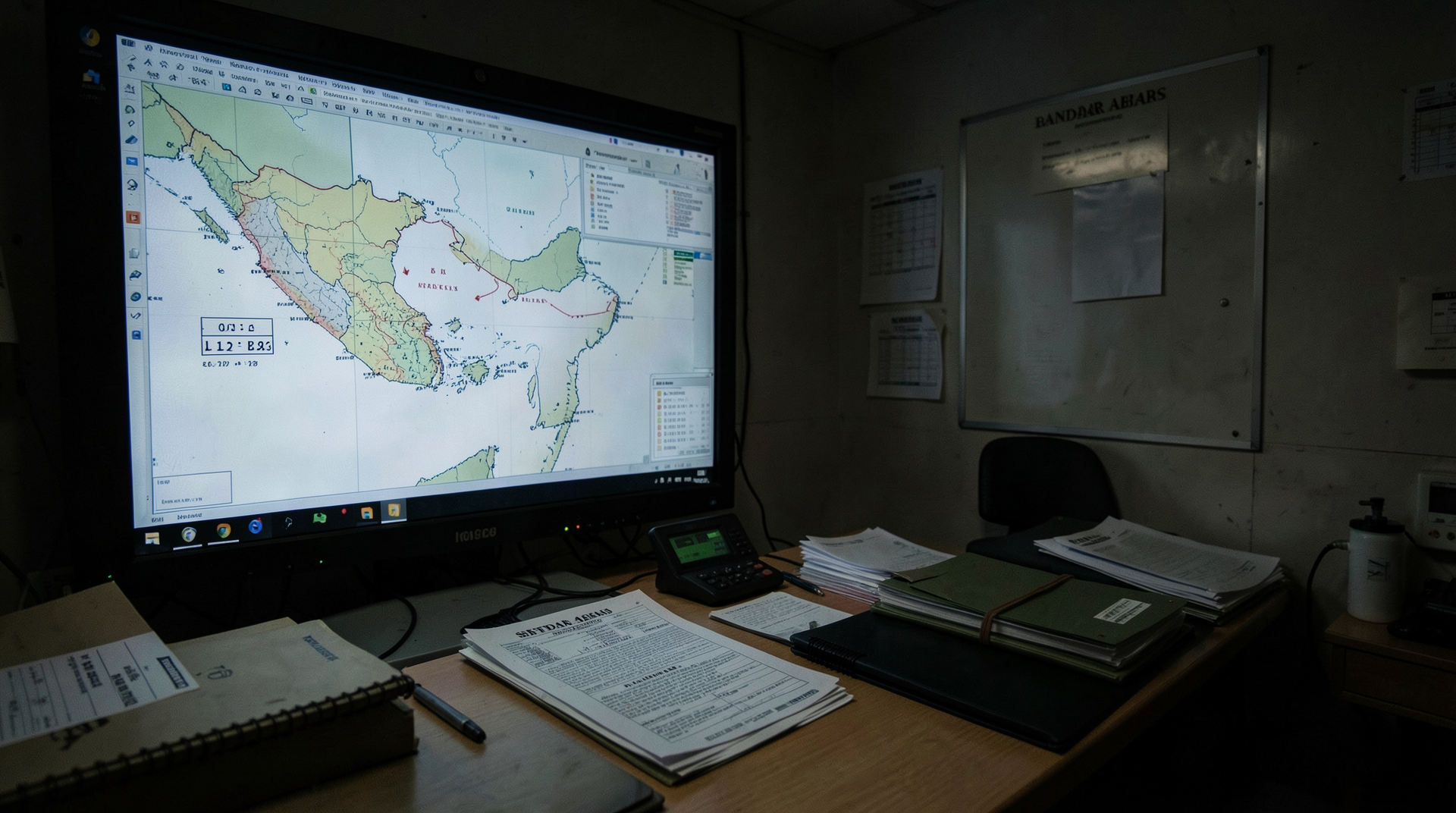
CENTCOM's strike near Bandar Abbas changed the Senate question from abstraction to predicate. The Jerusalem Post reported U.S. strikes on targets in southern Iran and quoted CENTCOM's explanation that it was defending U.S. forces while using restraint during a ceasefire. Democracy Now described the same war environment as a ceasefire already visibly strained by U.S. strikes on Iranian ships near the Strait of Hormuz, peace talks, and wider regional pressure. [1] [2]
Tuesday's paper said Trump had shifted his Iran position as CENTCOM struck Bandar Abbas and that Operation Epic Fury had moved from Cassidy's challenge into a presidential-document problem. Wednesday's development is narrower and harder. Senators are not voting on whether a war might expand. They are voting after the military has publicly described a kinetic exception inside the supposed restraint.
The phrase "self-defense" does a great deal of work in such moments. It sounds temporary, technical and clean. It implies that the commander did not choose escalation; the circumstances demanded it. But self-defense is also the classic door through which undeclared wars walk. Once every strike is defensive, Congress is invited to approve not a war but a sequence of necessities.
The Jerusalem Post account gives the administration's frame its strongest version. U.S. Central Command says it continues to defend its forces and use restraint during the ceasefire. [1] That is not nothing. If Iranian assets threatened U.S. personnel, commanders had an obligation to respond. A Senate serious about war powers should be able to say that without surrendering its own authority.
Democracy Now gives the opposite pressure point. Its interview framed the ceasefire as chaotic and already violated, with U.S. and Israeli actions complicating diplomacy. [2] That account is not a substitute for military documentation, but it forces the question the Senate cannot avoid: how many defensive exceptions can a ceasefire absorb before the word becomes decoration?
X could not be quoted responsibly. Three searches for real posts on CENTCOM, Bandar Abbas, Iran strikes and the ceasefire returned no verified /status/ URL. That absence changes the presentation but not the editorial problem. The likely platform argument, that the ceasefire is paper and the strike is the real policy, is not evidence. It is a frame. The evidence is the public military statement and the public diplomatic dispute.
The Senate's June 1 vote now has a concrete test. If members accept the administration's account without demanding the underlying authorization, they will be voting for a pattern: a ceasefire in public language, a military exception in operational language, and congressional review only after the fact. If they reject it, they must explain how they would protect U.S. forces abroad without turning protection into a standing license.
That explanation is where politics usually fails. Lawmakers like opposing open-ended war and supporting troops; the hard vote arrives when those phrases conflict. CENTCOM's restraint language lets members occupy both positions for a while. The Bandar Abbas report shortens that while. [1]
Bandar Abbas matters because geography disciplines rhetoric. It is not a metaphor. It is a port city near the Strait of Hormuz, inside the same maritime corridor that has carried the war's energy and shipping consequences. A strike there cannot be waved away as distant housekeeping. It sits on the map where the military, oil, shipping and diplomacy meet.
This is also why the Paxton-Cornyn result belongs in the same edition, not because Texas and Bandar Abbas are the same story, but because the same institution must metabolize both. Senators will arrive at the Iran vote after watching Trump punish a senior Republican and after watching the military define new action as defensive restraint. Those facts create pressure from opposite sides: political fear and constitutional responsibility.
The paper should not pretend to know what was in the targeting packet. It should say what the public record shows. The Jerusalem Post reports the strike and the CENTCOM rationale. Democracy Now reports the diplomatic challenge and the claim that the ceasefire has been violated from the start. [1] [2] Between those accounts lies the only question that matters for June 1: is Congress being asked to authorize a contained policy, or to bless a vocabulary that can contain anything?
-- YOSEF STERN, Jerusalem