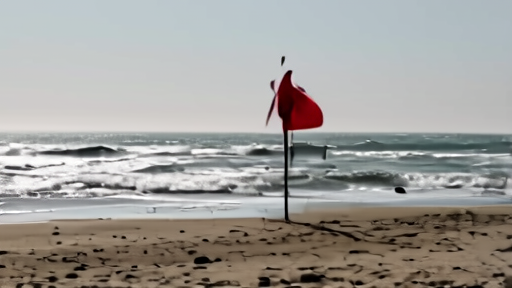
Arthur's Friday beach story was not whether the storm name still deserved attention. It was whether a swimmer should enter the water.
The National Weather Service surf-zone forecast from Newport/Morehead City translated the remnant system into beach hazards. [1] The paper's June 18 brief on North Carolina beach hazards turning Arthur into a swim task made that same distinction. Tropical status helps people find the weather system. Local surf products tell them what to do at the access point.
The Friday product is a better public document than a storm-name argument because it names the beach problem directly: rip-current risk, surf height, longshore current, weather, and timing. [1] The live NWS product page carries the same category of local forecast for readers checking conditions rather than reading yesterday's advisory. [2]
The memo's broader Arthur sources still matter because they prevent a beach story from becoming isolated from the storm record. NHC kept Arthur's redevelopment odds low while separating that percentage from remaining hazards, and WPC's short-range discussion kept remnant moisture and heavy-rain concerns in the regional forecast. [3][4]
That matters on the Outer Banks because a beach day is a decision made at human scale. A family does not need to decide whether Arthur is meteorologically impressive. It needs to know whether the water is pulling away from shore, whether waves are breaking hard enough to matter, and whether a local office has raised the risk category. [1][2]
The divergence is a familiar weather failure. X can make danger into an argument and dismissal into a personality. Mainstream weather copy can leave the reader with a general sense that remnants are nearby. The NWS beach product does something narrower and more useful. It turns the old storm into a swim instruction.
No verified local status URL survived the memo's search record. That absence should not force a fake X layer into a service story. The forecast office is the source with the beach names and risk categories. [1][2]
The practical result is modest but important. Check the surf-zone forecast before treating rough water as scenery. Do not let a low redevelopment percentage answer a rip-current question. Arthur's name may fade faster than its beach hazard.
-- DARA OSEI, London