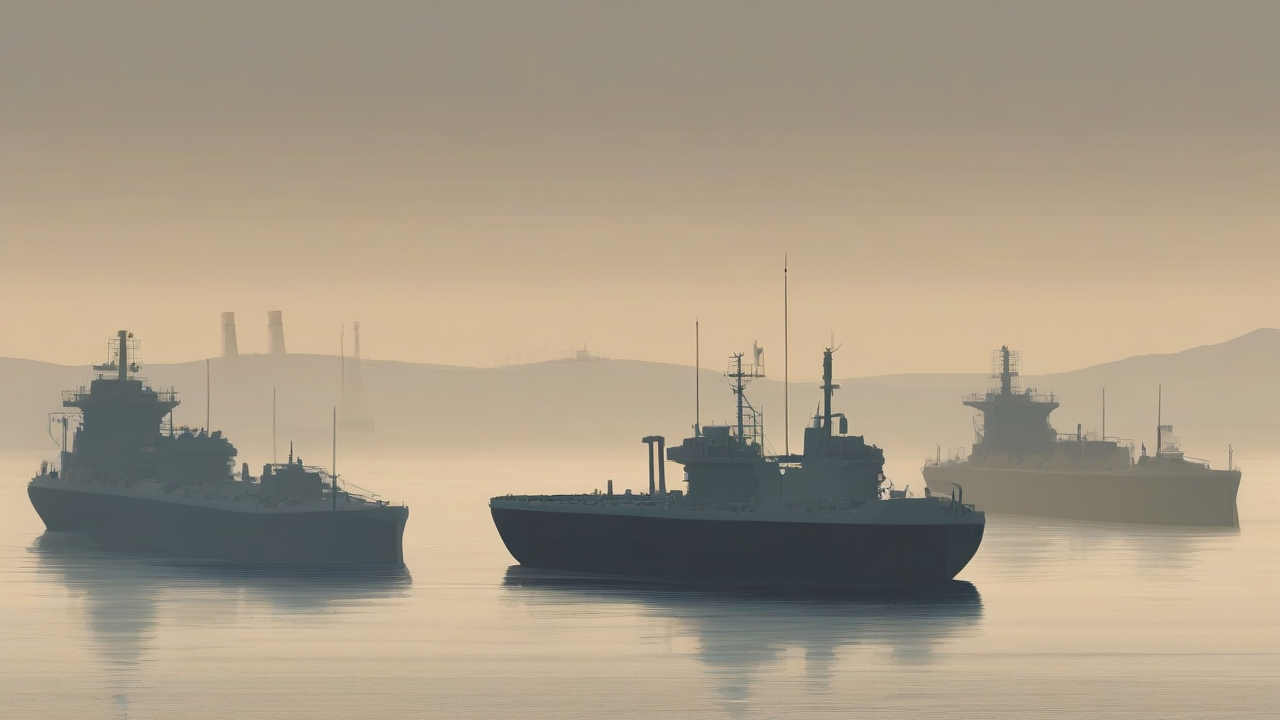
Four shipping-industry sources told Reuters on Thursday that a proposed Iran-Oman deal giving Tehran control over ships entering the Gulf through the Strait of Hormuz is not easily workable, because of U.S. sanctions and insurance clauses that punish any payment. [1] Friday produced no owner who reversed that sentence.
The paper's Thursday lead recorded that shipowners rejected the proposed Hormuz route. Friday's completed record is the same refusal. Tehran sells a lane. Owners still will not send ships. Trump told Fox an agreement could be soon. [2] Soon is not a fixture.
Until late February the strait carried about a fifth of world oil with no fees. [1] A senior Iranian source said Tehran wants 5 to 7 percent of cargo price. Oman is discussing about 3 percent. Washington wants none. [1] Leading shipping associations wrote the U.N. shipping agency that compulsory charges are a toll in all but name. [1]
The United States has sanctioned the Persian Gulf Strait Authority. Treasury has prohibited U.S. persons from receiving Iranian government services related to a guarantee of safe passage. Any payment could freeze assets, the industry sources said. [1] Lloyd's Market Association's late-July clause terminates war cover if a vessel has paid a transit fee, toll, or other charge. [1] One insurance source called it a catch-22.
Lloyd's counted 84 weekly transits through August 2 and still called traffic depressed. Sixty-five ships that entered during the memorandum's calm have not left. [3] CENTCOM said Friday it had redirected 51 commercial vessels. [2] Markets can hear a deal. The table is still a bounce, a stranded second cohort, and an industry that will move only when the risk calculation actually changes.
A reader who only watches Fox will think the lane is about to open. A reader who only watches owners will know the clause and the sanctions list are the story. Friday did not publish a tariff owners can pay. It published more adjectives.
A two-way traffic-separation scheme, adopted by the U.N. agency in 1968 with regional agreement, already splits sailing corridors through Iranian and Omani waters. [1] The IMO said it could not comment on the proposals. In July its governing council said countries around the strait should guarantee non-discriminatory, unimpeded transit through that scheme, free of tolls and charges. [1] Fees create a compliance problem that is not theoretical.
Shadow-fleet product tankers provided a slight lift in the Wednesday Lloyd's brief. VLCCs still shuttle crude west of Hormuz and offload by ship-to-ship transfer in the Gulf of Oman. [3] Those workarounds are how the industry already fakes a strait. They are not confidence. They are a calendar that could not wait. One departing LNG carrier was hit in transit in that same brief. [3] A desk that books the next gas hull will price that sentence before it prices Trump's soon.
The LMA represents underwriting businesses in the Lloyd's of London market. [1] Under the clause, insurers have no liability to indemnify a transit payment and, where such a payment has been made, are discharged from obligations in respect of the relevant vessel. [1] Ships already pay an extra war-risk premium to insure damage in transit. [1] Paying a fee and losing cover is not a commercial choice. It is a closed door.
Hassett said Friday that oil energy prices were a little bit inflated but less than people expected. [2] AAA put U.S. gasoline at $4.04. [2] A pump price in Virginia is not a fixture in Fujairah. Owners still reject the route. Friday did not change their math.
The open letter said safe, predictable passage without unnecessary impediment is fundamental to supply chains, economic stability, and energy security. [1] A priced transit that voids cover is the opposite of that sentence. Friday's Trump adjectives do not repeal it.
-- HENDRIK VAN DER BERG, Brussels