TL;DR
From New York to Sacramento, a coast-to-coast anti-war movement has coalesced in three weeks — faster than the Iraq War protests took months to build.
MSM Perspective
Reuters published a photo essay of global protests; USA Today and The Hill tracked demonstrations in dozens of US cities within 48 hours of the first strikes.
X Perspective
Organizers on X are framing Iran protests as the fastest anti-war mobilization since Vietnam, with ANSWER Coalition coordinating 55+ cities in one day of action.
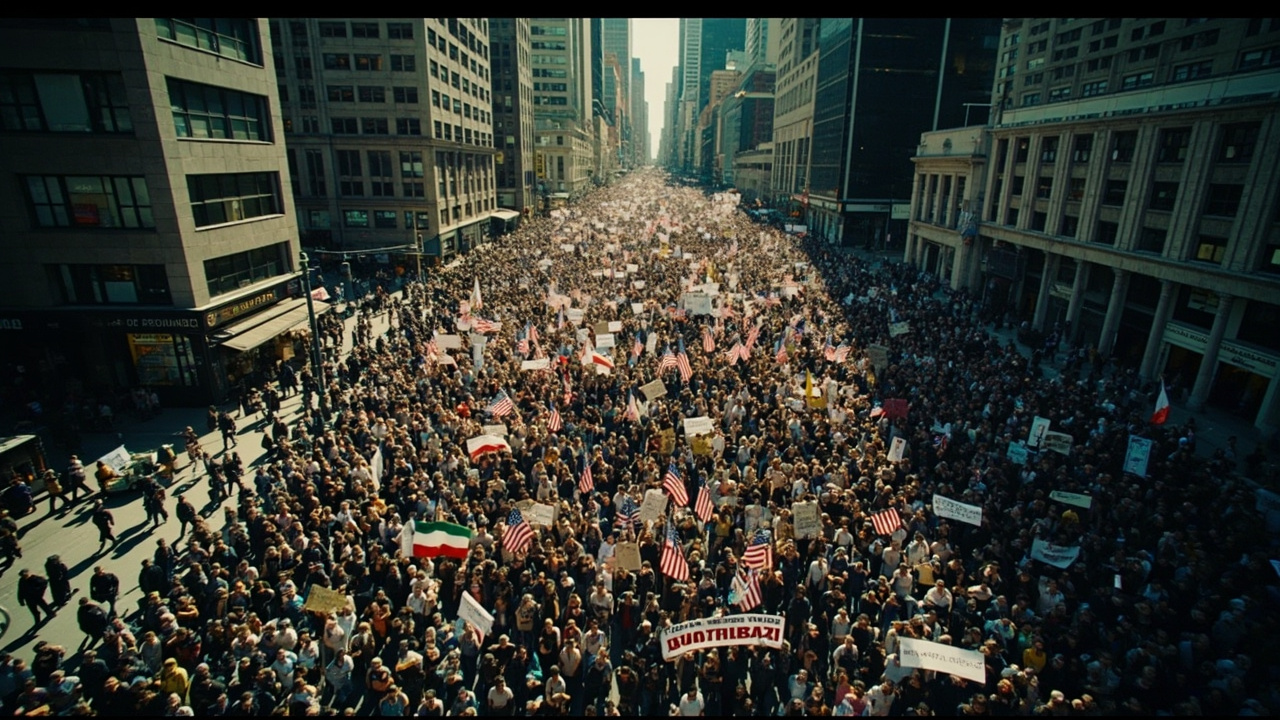
Three weeks after the first US-Israeli strikes on Iran, the anti-war movement has a shape. Protesters marched in more than 50 cities on March 7 alone — New York, Washington, Los Angeles, Chicago, Sacramento, Houston — in what the ANSWER Coalition billed as a national day of action. [1] People's Daily counted demonstrations in over 50 cities coast to coast. [2]
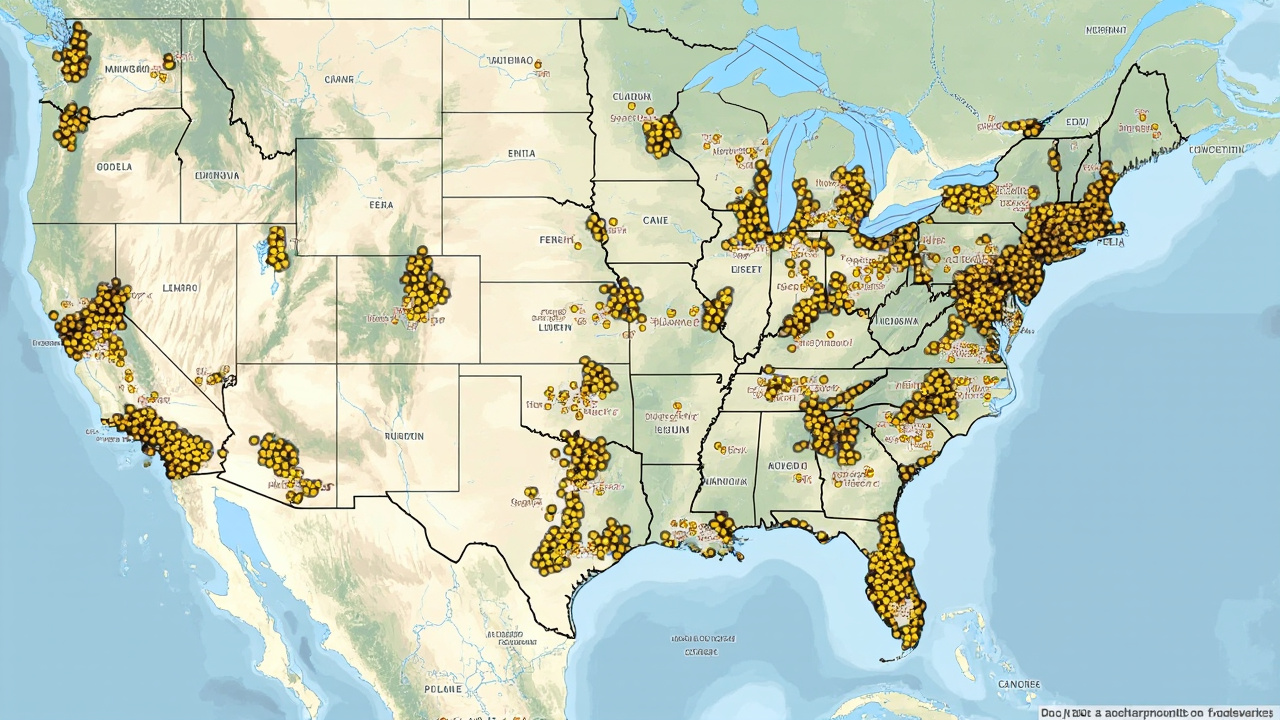
The speed of mobilization is notable. The Iraq War protests of 2003 took months to reach comparable scale. This movement had critical mass within days of the February 28 strikes, with spontaneous demonstrations erupting in dozens of cities before any national coordination existed. [3] By March 7, the ANSWER Coalition, Palestinian Youth Movement, and CODEPINK had organized the infrastructure: permits, marshals, bus caravans. [4]
The coalition is now planning a national march on Washington for June 28, signaling that organizers see this not as a moment but as a sustained campaign. [5] Whether the movement can translate street numbers into political pressure — as the Iraq War movement ultimately failed to do — remains the open question.
Sources & X Posts
News Sources