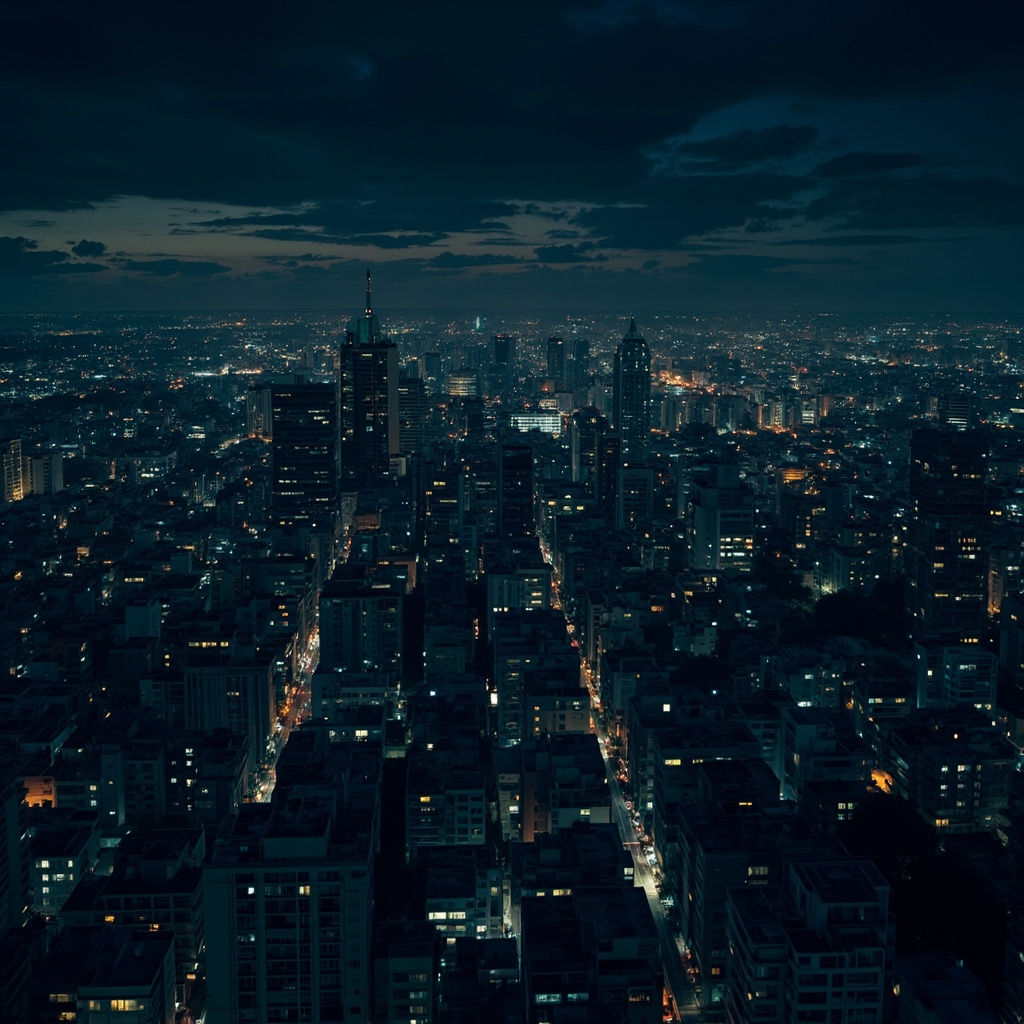
Cuba's national electrical grid collapsed on March 16, leaving roughly 10 million people without power. It collapsed again on March 21. It collapsed a third time on March 22. Each time, the country's aging thermoelectric plants failed under the strain of operating without adequate fuel, and each time, the grid operator began the slow, fragile process of restoration that Cubans had come to know as a recurring nightmare [1][2].
As we covered in our earlier reporting on Cuba's grid crisis, the proximate cause was a U.S.-imposed oil blockade that had effectively cut off the island's fuel supply. Reuters reported the first collapse on March 16, noting it was "the first nationwide blackout since the US effectively shut off oil flow to the country" [3]. By the third collapse, six days later, the language had shifted from crisis to chronic condition.
The blackouts were compounded by daily outages of up to 12 hours caused by fuel shortages, which also destabilized the system between collapses [4]. CNN broadcast footage of Havana in darkness, with correspondent Patrick Oppmann describing "the total collapse of Cuba's power system" and what it meant for a population that had already endured months of deteriorating conditions [5].
What made Cuba's blackouts significant beyond the island itself was their geopolitical meaning. The Iran war had begun as a conflict in the Middle East. Its energy consequences had rippled through Asia, where the Philippines had declared a national energy emergency and India was rationing LPG. Now the consequences had reached the Western Hemisphere. A country ninety miles from Florida was sitting in the dark because of a fuel blockade that was itself a function of the broader U.S.-Iran confrontation.
Al Jazeera reported that the U.S. oil blockade had "brought Cuba's power grid to the brink of collapse," framing the blackouts as a deliberate consequence of American policy rather than an incidental one [6]. NPR reported the third collapse with the language of exhaustion: "Cuba begins to restore power after third nationwide collapse in a month" [2].
The human cost was felt most acutely in hospitals, where backup generators operated on the same scarce fuel. In homes without generators, food spoiled, medical equipment failed, and the rhythms of daily life were dictated by whether the power happened to be on. A Havana resident told Al Jazeera, "Can't live like this."
The Cuban government blamed the blockade entirely. The U.S. government did not comment on the grid failures specifically, though the blockade was part of the administration's broader sanctions regime against countries it accused of supporting Iranian interests. The connection between a war in the Persian Gulf and a blackout in Havana was indirect but traceable, running through oil markets, shipping lanes, and the decisions of policymakers who would never sit in the dark themselves.
Three collapses in a month. Twelve-hour daily blackouts between collapses. A population of 11 million navigating life in the spaces between restoration and the next failure. The war had reached a third continent, and it arrived not with explosions but with silence.
-- Lucia Vega, Havana