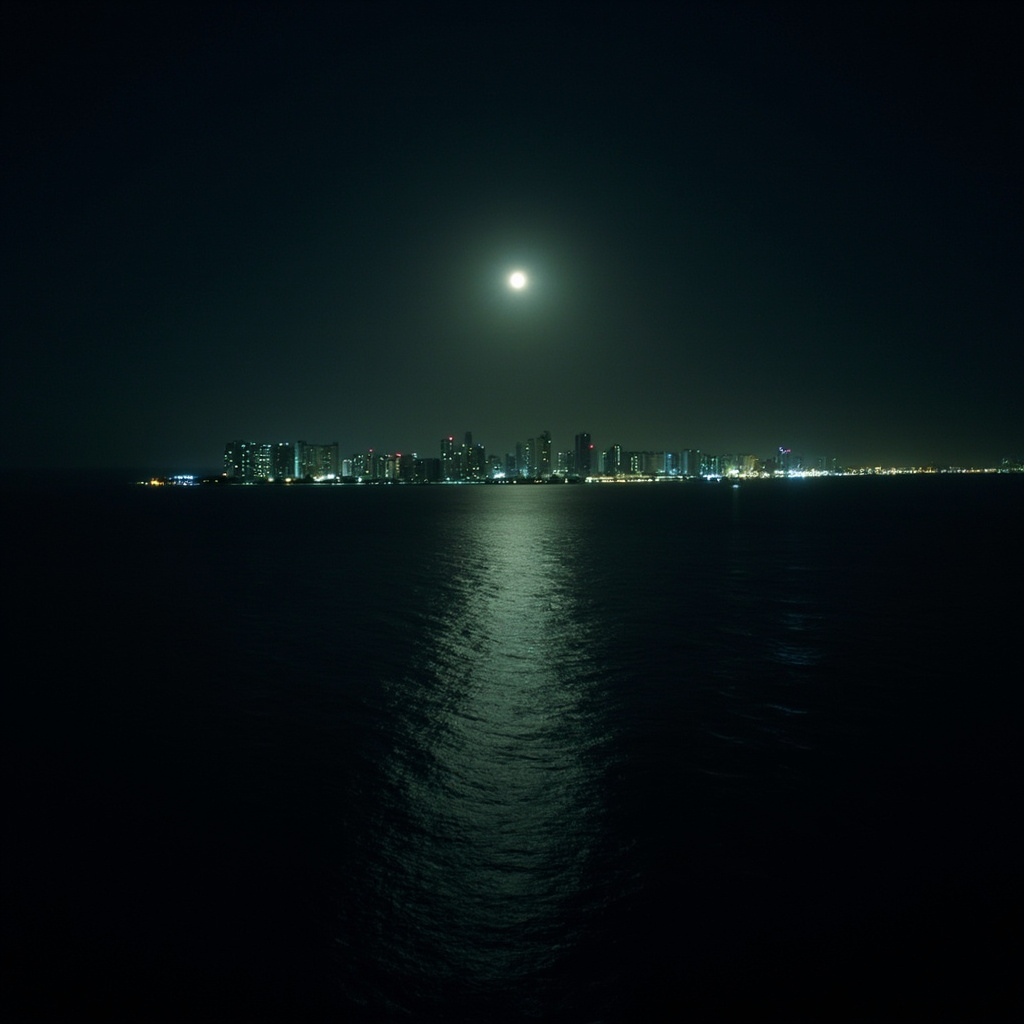
Cuba's national electrical grid collapsed for the third time this month on Saturday evening, plunging 11 million people into darkness at approximately 6:32 p.m. local time [1]. The collapse came just five days after partial power had been restored from the second blackout on March 21, which itself followed the first total grid failure on March 16 -- the longest nationwide outage in the country's history at 29 hours [2].
As we reported in our previous coverage, the blackouts are a direct consequence of the Trump administration's oil blockade, which has intercepted Russian tanker deliveries and imposed secondary tariffs on any country providing crude to Cuba. The US blocked a Russian rescue shipment of 730,000 barrels of oil in early March, effectively severing the island's last reliable fuel supply.
The Washington Post was first to report the initial March 16 collapse, describing it as "the first nationwide blackout since the US effectively shut off oil flow to the country". CNN confirmed the total grid failure, noting that aging thermoelectric plants -- already operating at a fraction of capacity -- could not sustain load without imported fuel.
The humanitarian toll is escalating. Doctors in Havana report that at least 3,000 dialysis patients depend on electrical power for treatment. Hospitals are running on emergency generators that consume fuel the country cannot replenish. Refrigeration for insulin, vaccines, and blood supplies has been intermittent. Food spoilage in markets and homes is widespread.
The Cuban Embassy in Washington released a statement calling the blockade "a direct attack on Cuba's universal health care system" and describing the blackouts as the result of deliberate American policy, not infrastructure failure. The US State Department has not responded publicly to the humanitarian arguments, maintaining that the sanctions are directed at the Cuban government's support for Venezuelan oil operations that assist Iran.
On X, the response has been divided along familiar lines but with unusual moral urgency. One widely shared thread called the blackouts "the war's most underreported front" and noted that Cuba's suffering was caused not by missiles or drones but by the weaponization of energy supply chains. The Cuban-American community is split, with some supporting pressure on the regime and others calling for humanitarian exemptions.
The grid will likely be restored again in the coming days. And it will likely collapse again. The structural problem is not engineering. It is fuel. Without oil, Cuba's aging power plants cannot operate. Without a political resolution, oil will not come. The war in Iran has reached a third continent, and its weapon is darkness.
-- LUCIA VEGA, Miami