TL;DR
Only 54 percent of Americans drink alcohol, the lowest rate in 90 years, and restaurants built on 80-percent-margin cocktails are watching their business model collapse in real time.
MSM Perspective
The New York Times reported restaurant alcohol revenue is down markedly; TODAY covered the scramble for non-alcoholic alternatives; Gallup confirmed the 90-year low in drinking rates.
X Perspective
Restaurant and hospitality Twitter is calling this a structural crisis, not a trend — the economics of a restaurant without a profitable bar simply do not work at current food margins.
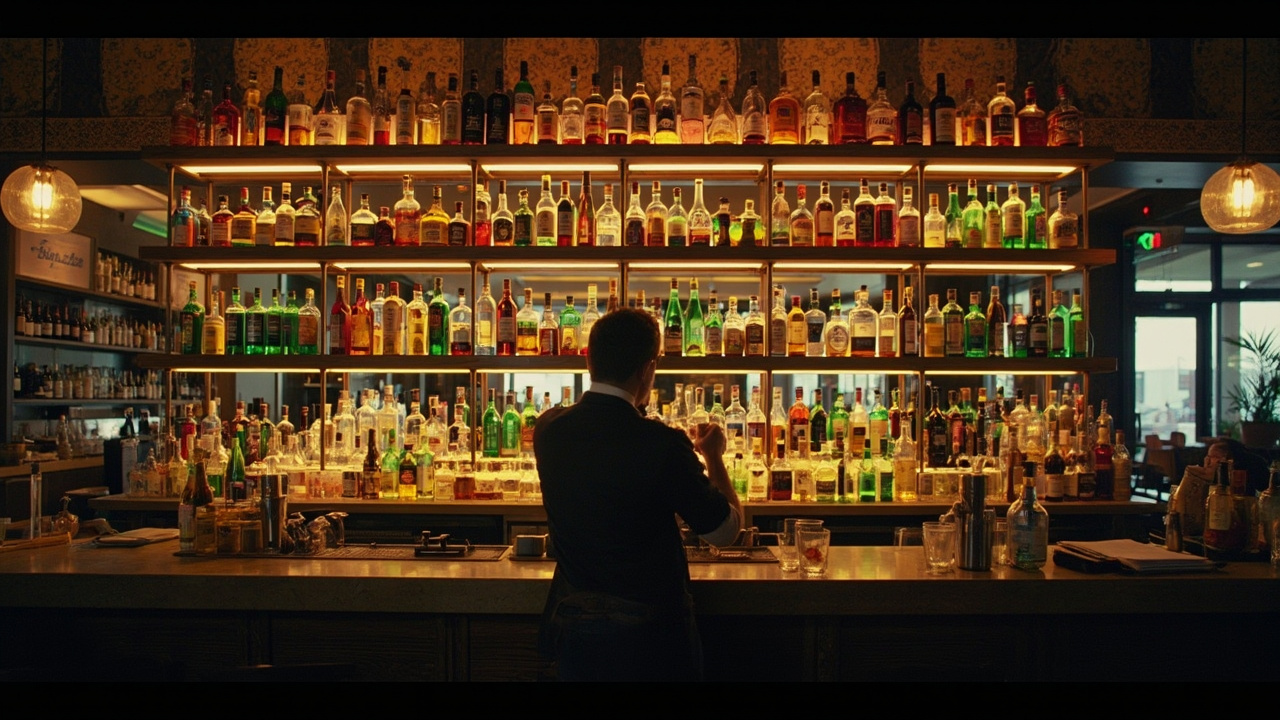
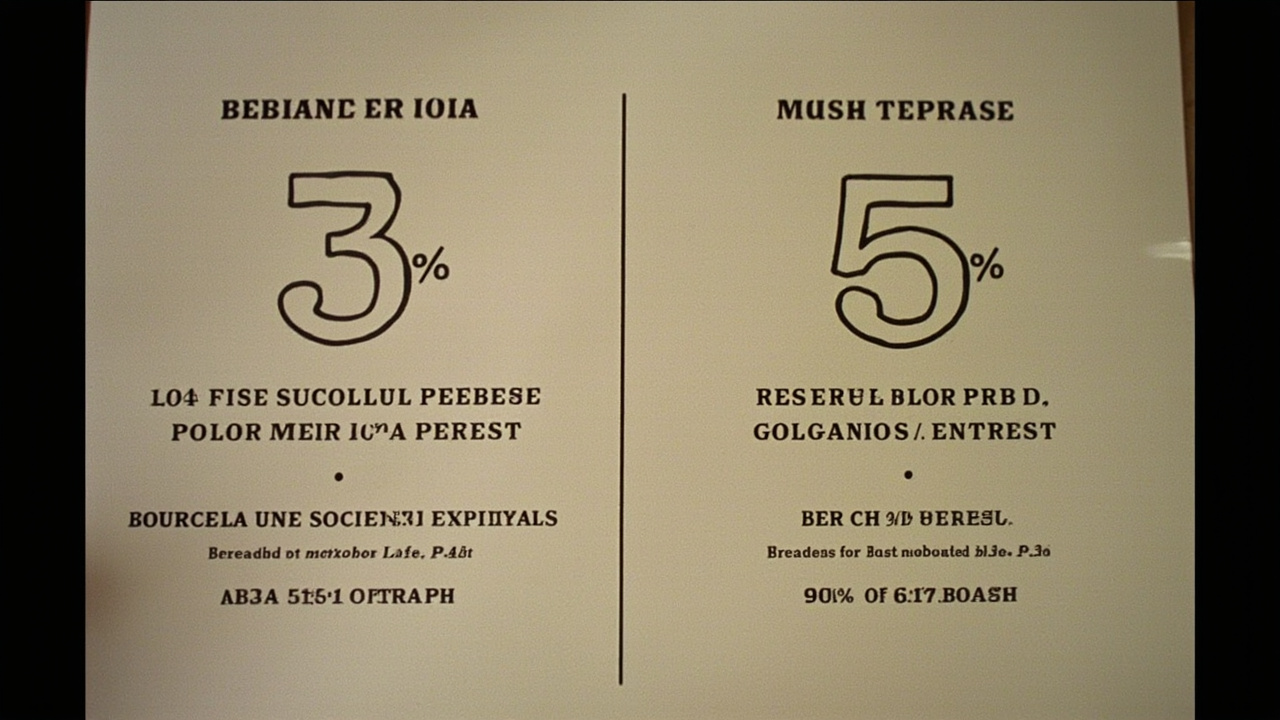
The arithmetic of an American restaurant has always depended on a simple truth: people drink. A fifteen-dollar cocktail carries roughly 80 percent profit margin. A fifteen-dollar entree, after labor and ingredients, yields closer to five. The bar is not a nice-to-have. It is the business. And the business is now meeting a country that is, quietly and measurably, putting down the glass.
A 2025 Gallup poll found that only 54 percent of U.S. adults reported drinking alcohol — the lowest figure in nearly 90 years of data collection. [1] It was the third consecutive annual decline, and the trend is accelerating. Spending at retail liquor, wine, and beer stores fell 5 percent in 2025, hitting roughly a 40-year low. [2]
The New York Times reported this week that Marco Canora, the chef and owner of Hearth in New York City, saw his 2025 alcohol sales drop about 7 percent compared with the prior year. [3] Canora is not an outlier. Across the restaurant industry, the beverage line — traditionally the most reliable margin on the income statement — is compressing. The Times framed it plainly: "Traditionally a reliable revenue stream for restaurants, alcoholic drinks are down markedly — and the bottom line is, too."
The generational shift is impossible to ignore. Datassential found that younger consumers are driving the decline, with Gen Z and millennials reporting the steepest drops in alcohol consumption. [4] Over a third of those drinking less in 2026 pointed to higher prices as a key factor, but the deeper current is cultural. The sober-curious movement, once a niche wellness trend, has become a generational identity. Dry January is no longer a novelty — it is a gateway to dry everything.
Restaurants are scrambling. Non-alcoholic beverage sales rose 19 percent during the first two weeks of January 2026 compared with the prior year, according to Square payment data. [5] Upscale restaurants that once dismissed mocktails are now building dedicated NA menus, hiring beverage directors who specialize in zero-proof cocktails, and investing in products like Seedlip and Athletic Brewing that would have seemed absurd on a fine-dining menu five years ago.
But a five-dollar mocktail does not replace a fifteen-dollar Negroni in the margin column. The casual dining chains are navigating this by leaning harder into creative spirits-based cocktails — an increase in spirits orders is partially offsetting declines in beer and wine, according to Nation's Restaurant News. [6] The strategy works only if the customer who still drinks can be persuaded to drink something more expensive. It is not a growth plan. It is triage.
The structural problem is that the American restaurant was designed for a country where 63 percent of adults drank — the historical Gallup average. At 54 percent and falling, the math breaks. A restaurant can absorb a bad quarter. It cannot absorb a generational shift in the product that subsidized everything else on the menu.
TODAY reported this week that restaurants across the country are "scrambling to rethink their menus and other offerings" as the sober dining trend deepens. [7] The word "rethink" is doing considerable work. What it means in practice is that an industry running on 3-to-5 percent net margins must find a new source of high-margin revenue — or accept that the model built on the assumption that Americans drink is the model of a country that no longer exists.
The 54 percent figure is not a floor. Gallup's trendline is still falling. The generation now entering its peak dining years — the generation with the most disposable income ahead of it — is the generation least likely to order a drink.
Sources & X Posts
News Sources