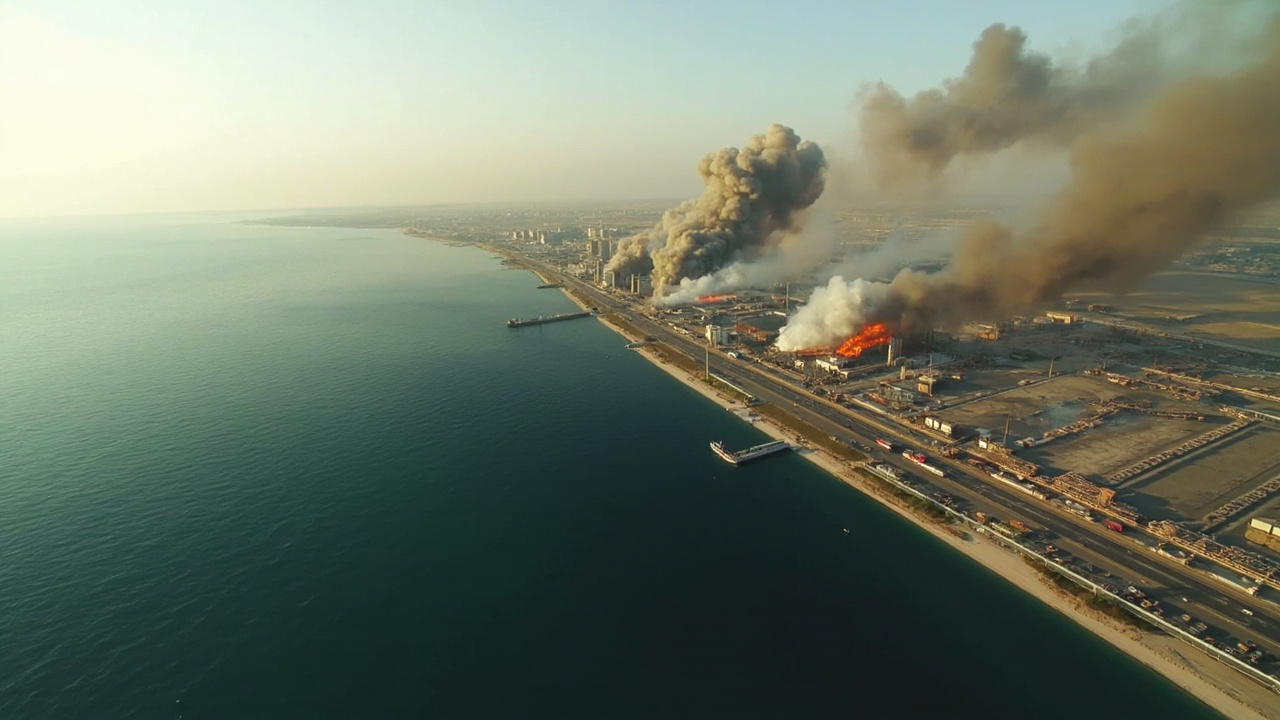
Qatar's Ras Laffan LNG Hit: The War Spills to a Neutral Gulf State
Iran struck the world's largest LNG facility and knocked out 17 percent of Qatar's export capacity — the war has now broken a country that wanted no part of it.
You're offline. Previously read public pages remain available; new requests will resume when you reconnect.
The news. The narrative. The timeline.
Bureau: Brussels
Iran struck the world's largest LNG facility and knocked out 17 percent of Qatar's export capacity — the war has now broken a country that wanted no part of it.
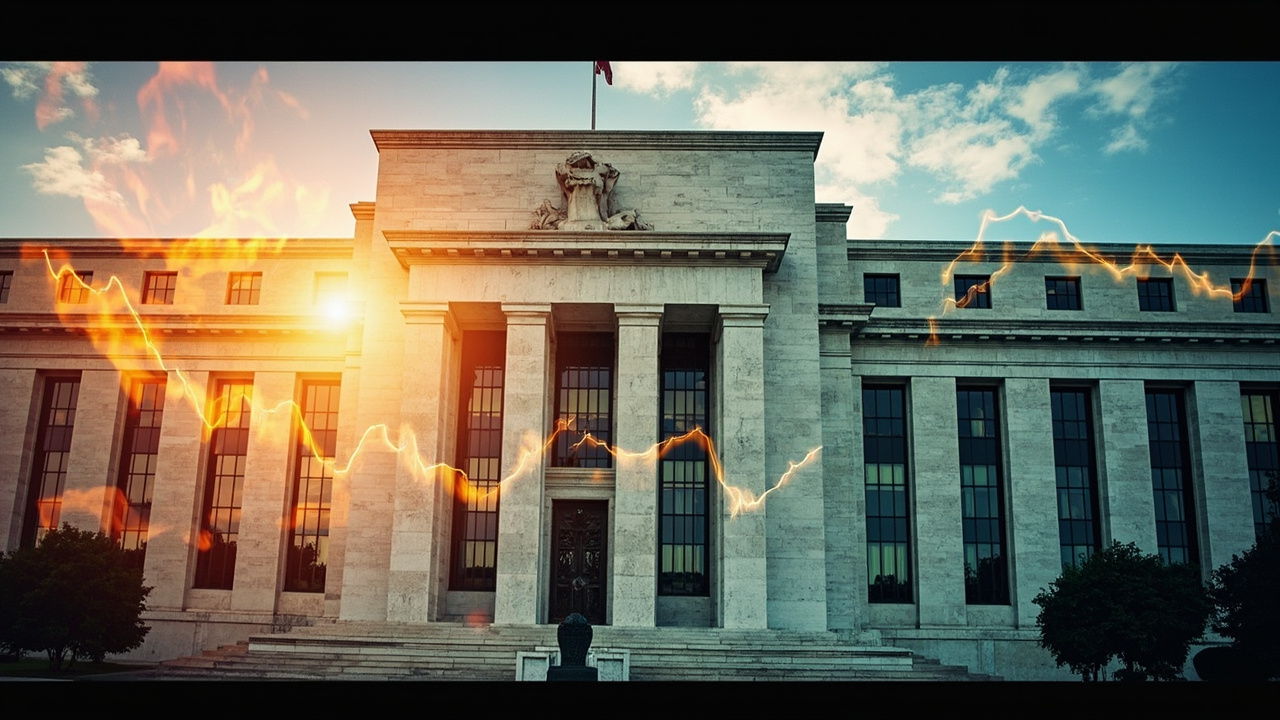
The Fed raised its inflation forecast to 2.7 percent, held rates steady, and projected one cut it probably cannot deliver — the institutional version of whistling past the oil field.
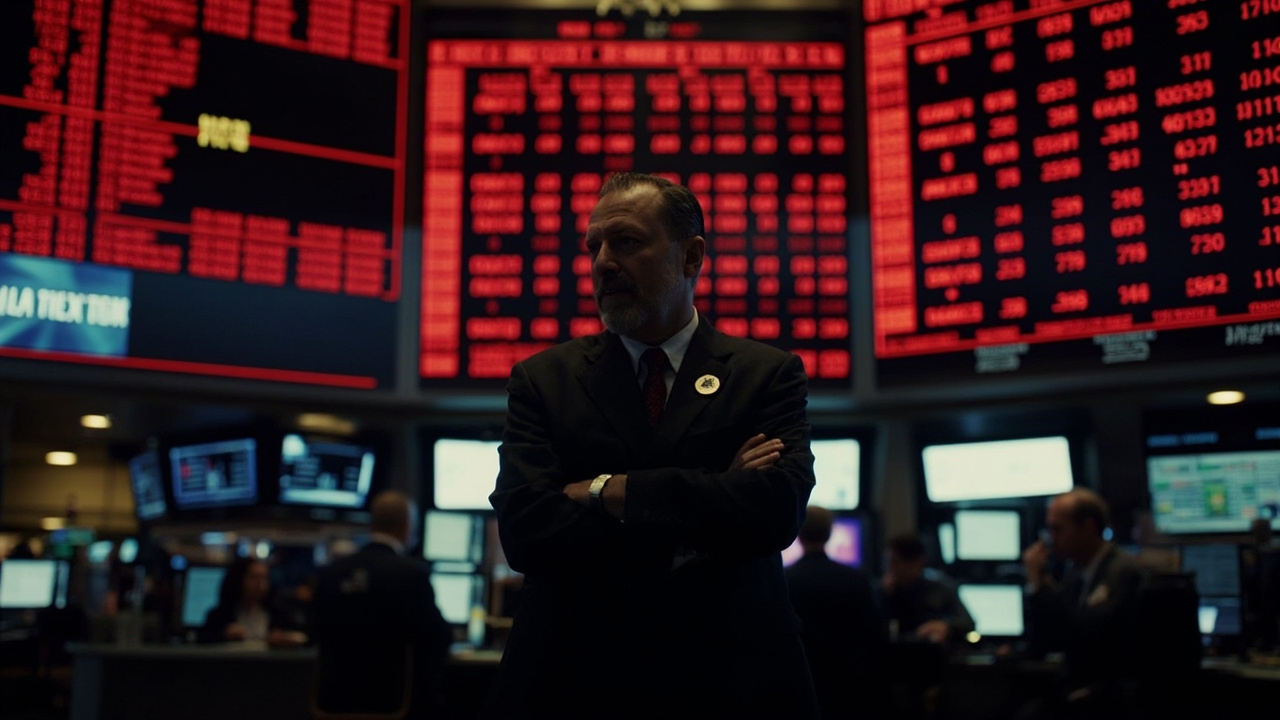
The Dow lost 444 points Friday and all three indexes posted their fourth straight weekly decline — but contrarian bulls are calling peak fear a buy signal and $1.8 billion just bought the dip.
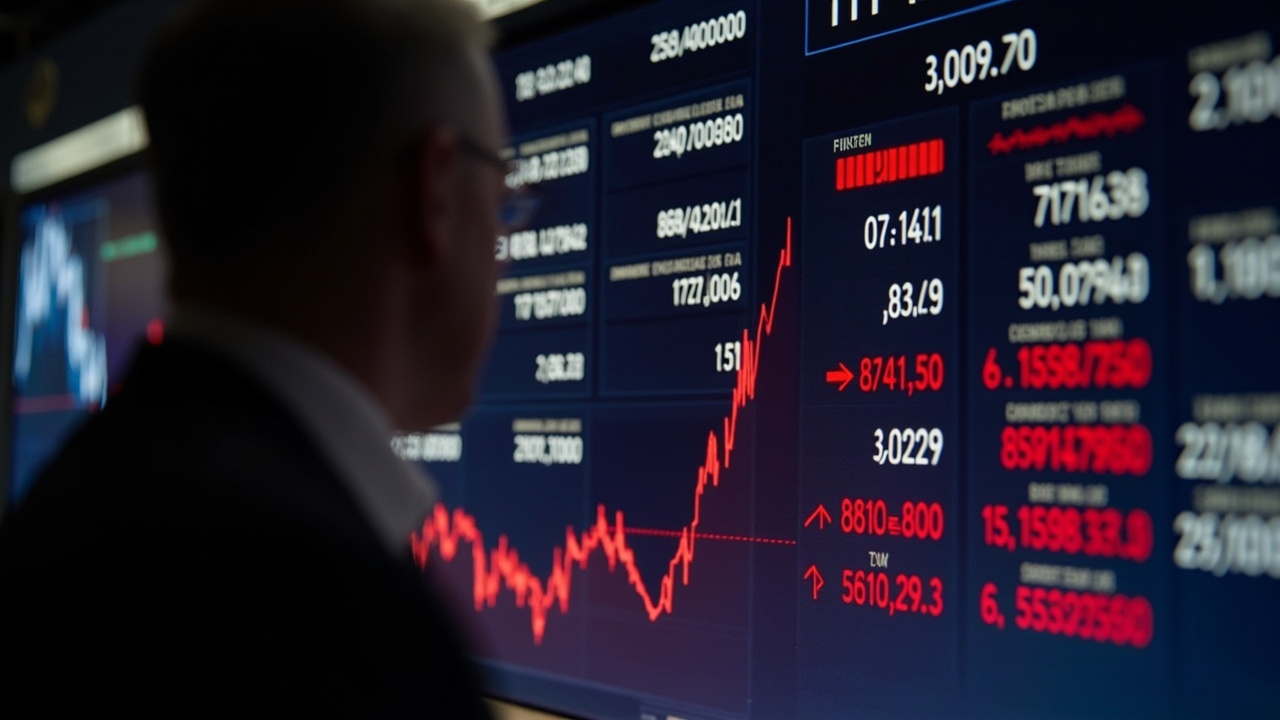
European gas prices have surged over 60% since late February as Iranian strikes on Qatar's Ras Laffan LNG plant trigger a supply crisis that HSBC warns will persist through 2027.
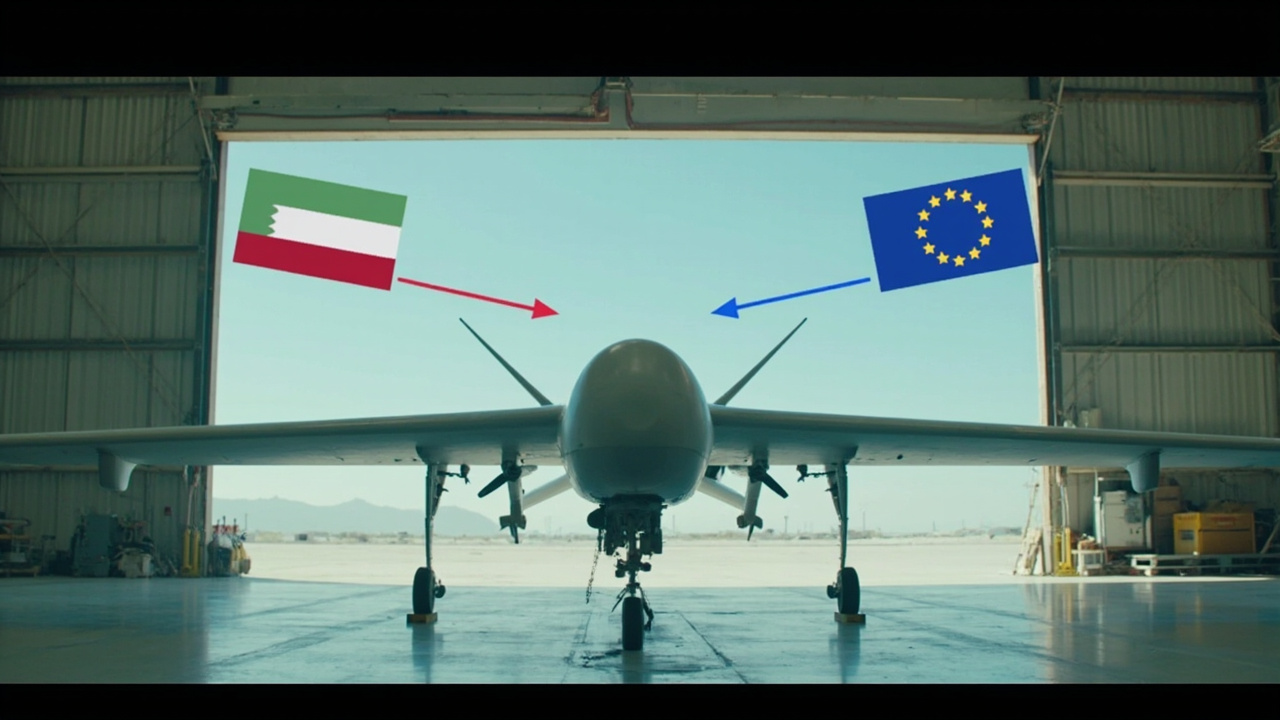
The Iran war has turned European defense startups into the hottest trade in venture capital, with Gulf sovereign wealth funds writing checks that would have been unthinkable six months ago.
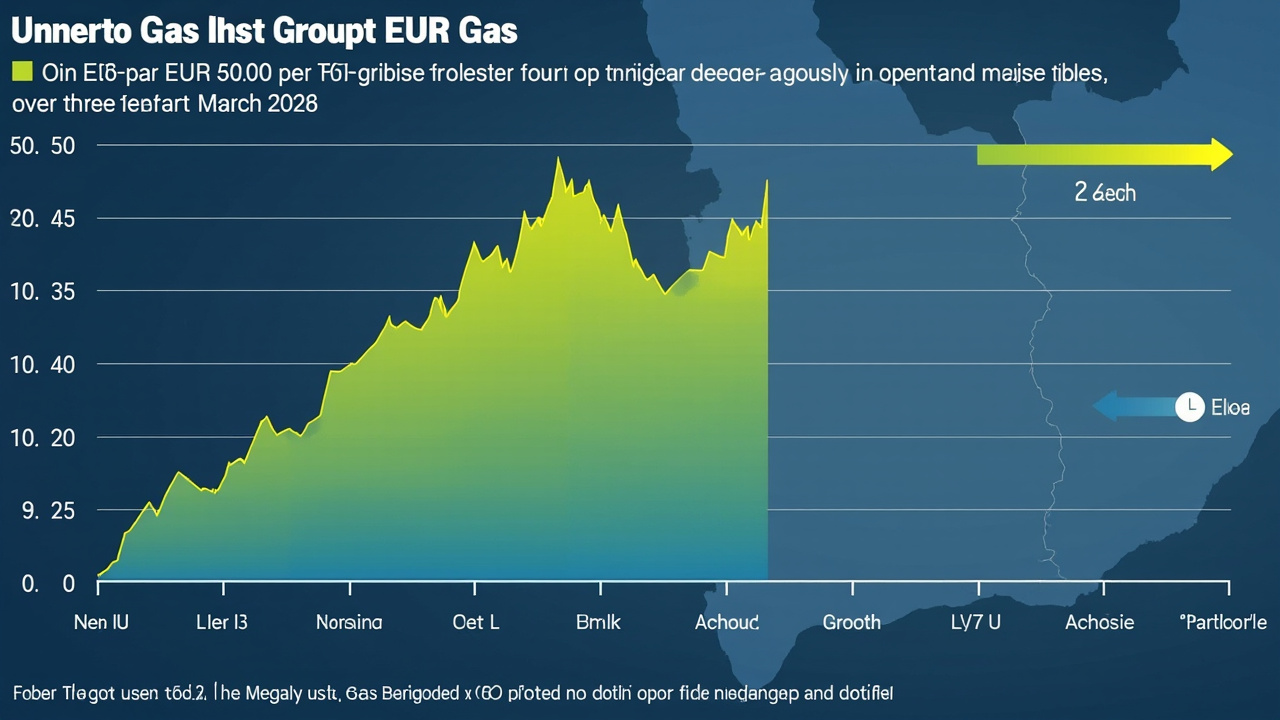
Europe's benchmark TTF gas contract has surged toward EUR 70 per megawatt-hour as the Hormuz closure and strikes on Gulf energy infrastructure revive the continent's worst energy nightmare.
Three weeks ago every major central bank was cutting rates. Now the Fed, ECB, and Bank of England are all holding or threatening hikes — the easing cycle is dead.
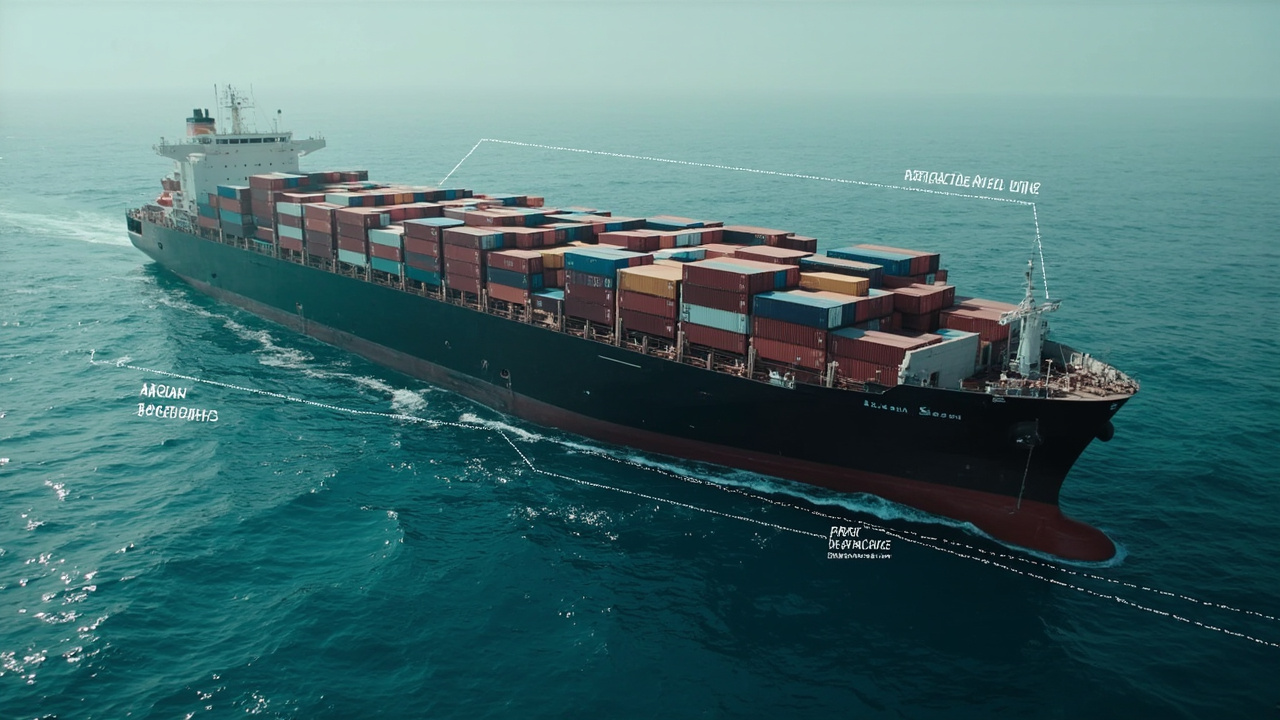
Ocean-freight diversions are up 360 percent in the Hormuz corridor, Maersk has imposed emergency surcharges, and the cost of moving goods through the world's most important chokepoint has tripled.