The World Health Organization recommends that adults get at least 150 minutes of moderate physical activity per week. One in three adults worldwide does not meet that threshold. A study published in Nature this week found that in 80 percent of countries, there has been no meaningful improvement in physical activity levels over the past two decades. [1] Two decades of public health campaigns, fitness apps, step-counting watches, and government exercise guidelines produced, in aggregate, nothing.
The numbers are stark. Globally, 31.3 percent of adults are insufficiently active, a figure that has barely moved since the WHO began systematic tracking in the early 2000s. [1] In high-income countries, the figure is worse -- closer to 37 percent -- because wealth correlates with sedentary work, car dependence, and screen time. The study analyzed data from 163 countries and found that only a handful, concentrated in Scandinavia and East Asia, showed statistically significant improvement. The rest flatlined or got worse.
Physical inactivity is not a lifestyle complaint. It is a clinical risk factor. The Washington Post reported that sedentary behavior now contributes to an estimated 3.2 million deaths per year globally, a figure that rivals tobacco in low- and middle-income countries. [2] Inactivity drives Type 2 diabetes, cardiovascular disease, depression, certain cancers, and dementia. The economic cost, measured in healthcare spending and lost productivity, runs into hundreds of billions annually. The Nature study's authors described the two-decade stagnation as "the most significant failure in non-communicable disease prevention."
The Guardian added a dimension that the original study only briefly addressed: climate change is about to make it worse. [3] A Lancet-affiliated analysis published in February projected that rising global temperatures will push an additional 250 million adults below the WHO activity threshold by 2050, as extreme heat makes outdoor exercise dangerous or impossible in equatorial and subtropical regions. Half a million additional premature deaths per year could follow. [3]
TIME reported on the mechanism: when ambient temperatures exceed 35 degrees Celsius, the human body's ability to thermoregulate during exercise degrades sharply, and people stop going outside. [4] This is already observable in the Gulf states, South Asia, and sub-Saharan Africa, where physical activity rates are among the lowest in the world and falling. The war's energy disruption compounds the problem -- countries rationing fuel and shortening office hours, as Bangladesh did this week, are also reducing access to air-conditioned gyms and indoor recreation facilities.
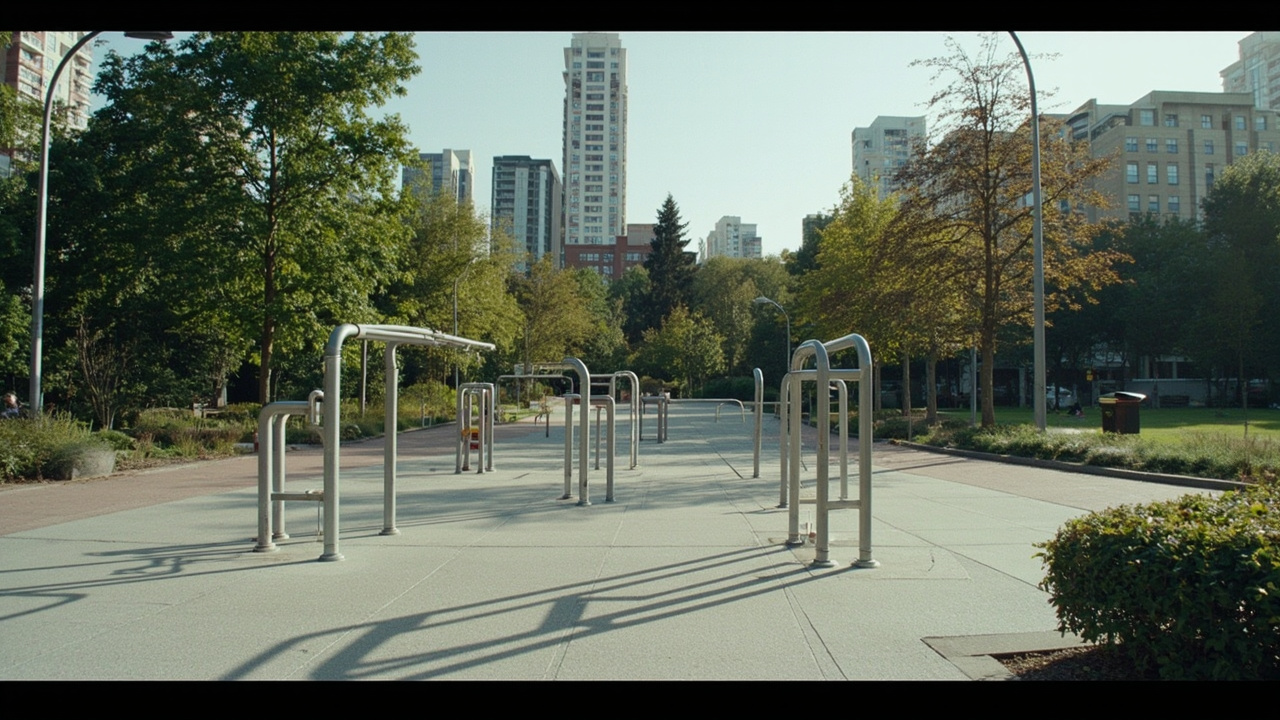
The failure is not one of knowledge. Every government on earth knows that physical activity prevents chronic disease. The failure is one of infrastructure and design. Cities built for cars produce sedentary populations. Workplaces organized around desks produce sedentary workers. Schools that cut physical education produce sedentary children who become sedentary adults. The interventions that work -- walkable neighborhoods, protected bike lanes, mandatory school PE, subsidized recreation -- require investment and political will. The interventions that have been tried instead -- awareness campaigns, motivational posters, fitness challenges -- require neither, and they have accomplished neither.
The Nature study concluded with a recommendation that governments treat physical inactivity with the same urgency applied to tobacco and alcohol. [1] The recommendation is correct and will almost certainly be ignored. There is no inactivity industry to regulate, no tax to impose, no product to ban. The enemy is the way we have built our cities and organized our days. That is harder to legislate against than a cigarette.
-- Nora Whitfield, Chicago