TL;DR
Qatar's helium exports are blocked by the Hormuz disruption -- Indian hospitals have days of supply left and MRI costs are spiking worldwide.
MSM Perspective
Euronews and Financial Express reported supply chain disruptions to liquid helium, framing it as an emerging risk to healthcare diagnostics in Asia and Europe.
X Perspective
X threads frame the helium crisis as the war's most underreported second-order effect, with one viral post mapping the chain from Hormuz to hospital MRI queues.
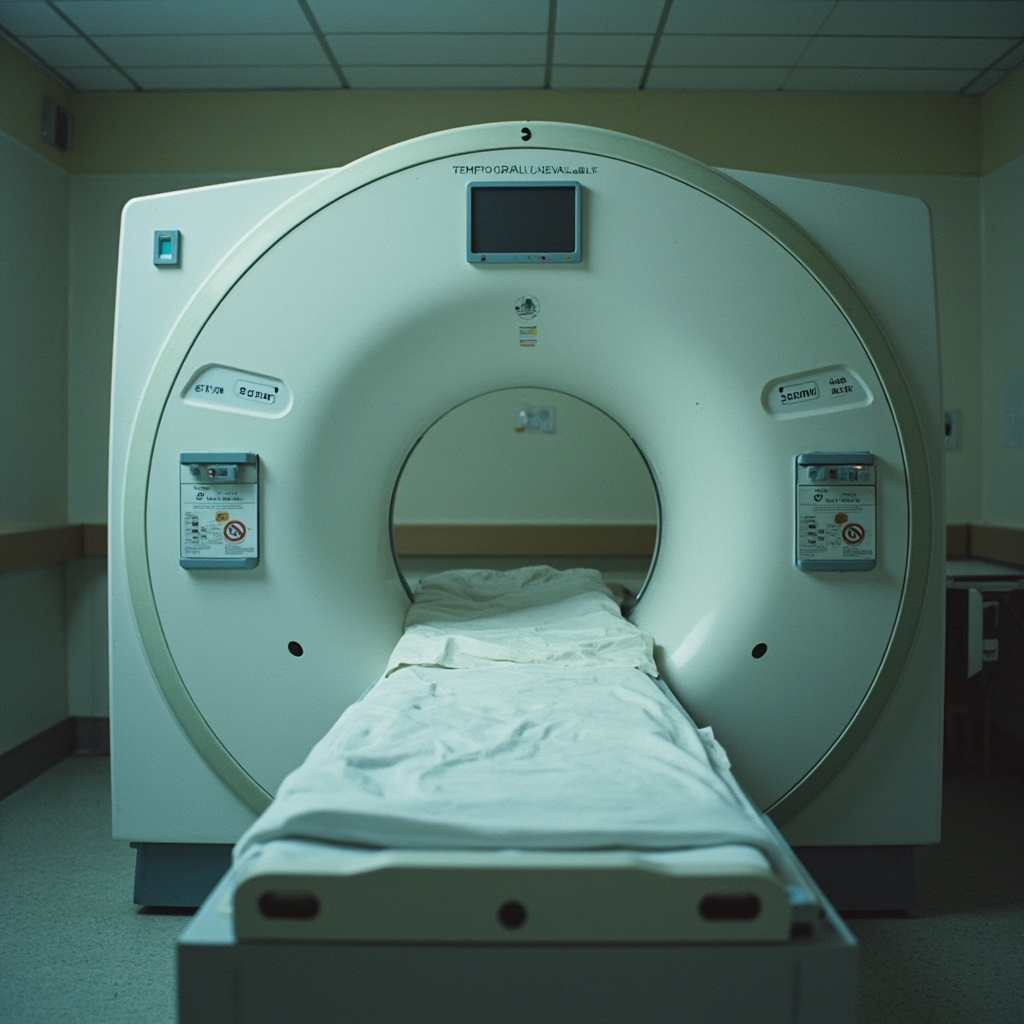
MRI machines require liquid helium to cool their superconducting magnets to near absolute zero -- approximately minus 269 degrees Celsius. There is no substitute. When helium supply tightens, MRI availability falls. And helium supply is tightening because the world's largest source of liquefied helium sits on the wrong side of the Strait of Hormuz.
Qatar produces roughly 25 percent of the world's helium supply through its RasGas and Qatargas facilities [1]. Those exports transit the strait. The strait, as this paper has documented across multiple editions including its earlier helium coverage, has seen shipping traffic collapse by approximately 95 percent since Iran began its blockade operations. The helium is still being produced. It cannot get out.
The impact arrived at hospitals in March. India, which imports the vast majority of its liquid helium, began reporting supply disruptions in the second week of the month. The Times of India documented a helium squeeze disrupting the MRI supply chain and pushing costs higher for diagnostic companies [2]. The Financial Express called liquid helium "an unexpected war casualty" and noted that the gas is also critical for semiconductor manufacturing [3]. The Indian Express reported that while the situation had not yet escalated into an outright shortage, "supply disruptions, especially from Qatar" had produced acute anxiety across the healthcare system [4].
The numbers are stark. India operates an estimated 6,000 to 8,000 MRI machines, nearly all of which require regular helium refills. A typical MRI scanner uses roughly 1,500 liters of liquid helium. When helium runs low, the magnet warms -- a process called a quench -- and the machine becomes inoperable until recooled, a procedure that costs tens of thousands of dollars and takes days [5]. Hospitals cannot ration helium the way they ration other supplies. The magnet either works or it does not.
The disruption is not limited to India. Euronews reported that the helium supply crunch is "raising urgent concerns about a squeeze in global supplies" and that the fallout is "spreading fast" to Europe [6]. Germany's Linde, one of the world's largest industrial gas companies, has flagged supply constraints. Radiology Business reported that helium prices have spiked and asked whether MRI providers should be "worried" -- a question whose answer, for providers with weeks rather than months of inventory, is already decided [5].
India Today offered a more measured assessment, arguing that diagnostic services were "expected to continue uninterrupted" and that fears might be "overblown" for India's MRI network [7]. But the same article acknowledged that prices had already risen and that continued disruption would force hospitals to prioritize which patients receive scans -- a form of rationing that arrives before the machines actually go dark.
The helium shortage is a second-order effect of the war that no one planned for and few are covering. The connection between a naval blockade in the Persian Gulf and a cancer patient waiting an extra week for a diagnostic scan in Mumbai runs through a supply chain that most people do not know exists. Qatar produces helium. Iran blocks the strait. The MRI machine in Bangalore runs out of coolant. The chain is that simple and that fragile.
Newer MRI technology uses helium-free designs, but the installed base of superconducting magnets numbers in the tens of thousands worldwide. Replacing them is a decade-long capital investment cycle. The war is thirty-one days old. The helium reserve, for many hospitals, is measured in weeks.
-- THEO KAPLAN, San Francisco
Sources & X Posts
News Sources
X Posts