TL;DR
Malaysia gets through Hormuz, everyone else waits — Iran turned a military blockade into a selective access system and the infrastructure survived its architect.
MSM Perspective
Reuters framed Malaysia's Hormuz passage as 'a crack in the blockade,' suggesting diplomatic progress where the evidence shows commercial selection.
X Perspective
X reframed the Malaysia news as proof that Iran is not lifting the blockade but pricing it — friends pass, enemies pay.
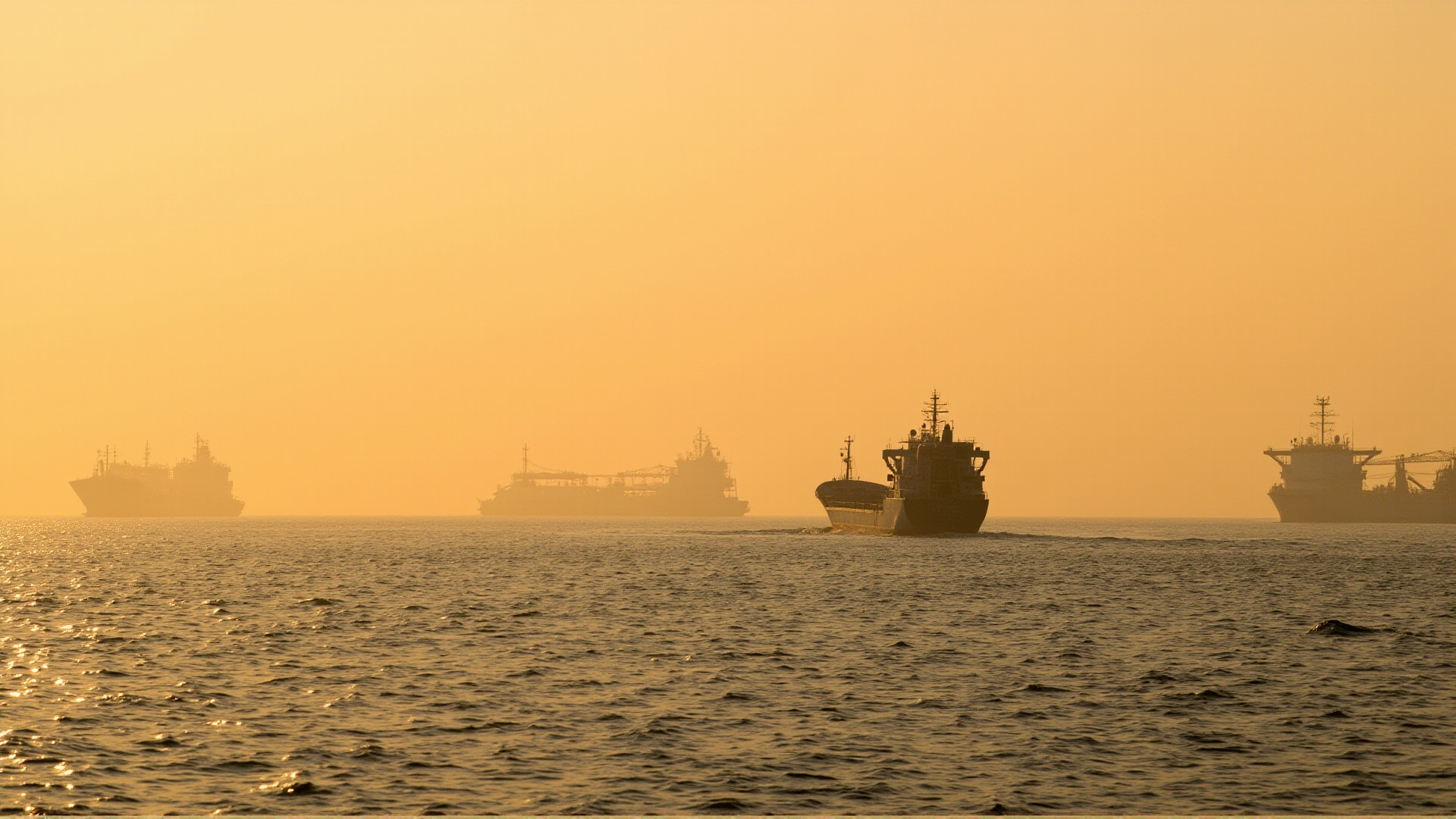
Malaysia's Prime Minister Anwar Ibrahim confirmed on Friday that Iranian authorities had assured Kuala Lumpur its oil tankers would be permitted through the Strait of Hormuz without interference. Three Malaysian-flagged vessels transited the strait on Thursday evening, the first non-Iranian commercial traffic to pass in eleven days. The ships carried palm oil and refined fuel. They were not stopped. They were not charged the $2 million toll. They sailed through. [1]
Reuters reported this as "a crack in the blockade." It is not a crack. It is a door — one that opens for some and stays shut for others. Yesterday, this paper asked whether the blockade infrastructure would survive its architect after Israel killed Alireza Tangsiri in a Bandar Abbas airstrike. The answer arrived within twenty-four hours, and it is more interesting than either survival or collapse. The blockade evolved. It is no longer a wall. It is a toll road on international waters, and Iran is deciding who gets a pass. [1] [2]
The distinction matters because a blockade is an act of war under international law. A selective access regime is something harder to categorize and therefore harder to challenge. If Iran allows Malaysian, Chinese, and Pakistani ships through while denying passage to vessels flagged in the United States, Japan, South Korea, and the European Union, what exactly has been blocked? The strait is not closed. It is curated. The legal framework for responding to a curated strait does not exist in any treaty the United Nations has produced. [2]
The terms of passage are emerging through practice, not announcement. Malaysian ships passed free. Chinese vessels, according to shipping data tracked by MarineTraffic, have been paying the $2 million toll since mid-March — a sum Tehran's parliament voted to formalize in legislation now at committee stage. Pakistani ships have transited intermittently, with at least two paying reduced fees. Japanese and South Korean vessels have not transited since March 16. European-flagged ships have been anchored at Fujairah for twelve days. [3]
The toll is being paid in yuan. This detail, first reported by this paper and confirmed by Bloomberg on Friday, transforms the Hormuz crisis from a military standoff into a currency event. Iran is not merely controlling who uses the strait. It is controlling which currency the strait accepts. The petrodollar system assumed that the world's most important oil chokepoint would always operate in dollars. Iran has made it operate in yuan, and the ships passing through are the proof that the system works. [3] [4]
Tangsiri built this infrastructure. He tested the drones and cruise missiles that enforced the closure. He signed the orders that collapsed daily transits from 150 to fewer than six. But the system he built was designed to outlast him — an institutional mechanism, not a personal fiefdom. The IRGC Navy's operational command has not changed since Thursday's strike. Rear Admiral Shahram Irani, the regular navy commander, has assumed coordination of strait operations, according to Iranian state media. The transition was seamless because the toll, the drone patrols, and the selective-access protocols were already codified. [1] [5]
The strategic implications extend beyond shipping. If Iran can selectively grant access to the world's most important maritime chokepoint, it possesses leverage that no sanctions regime can match. Washington can freeze Iranian assets. Tehran can freeze Japanese industry. The leverage is asymmetric and, as of Friday, operational.
The question is no longer whether the blockade survives Tangsiri. It did. The question is what to call the thing it became.
-- PRIYA SHARMA, Delhi
Sources & X Posts
News Sources