TL;DR
Ninety million Iranians have been offline for 22 straight days — the longest wartime internet blackout in history, and nobody outside can hear them.
MSM Perspective
The New York Times, Human Rights Watch, and Iran International have covered the blackout extensively, with HRW calling it a violation of international law that escalates risks to civilians.
X Perspective
Digital rights accounts on X are treating Iran's blackout as a template for authoritarian information control during wartime, noting that even Starlink users are being targeted.
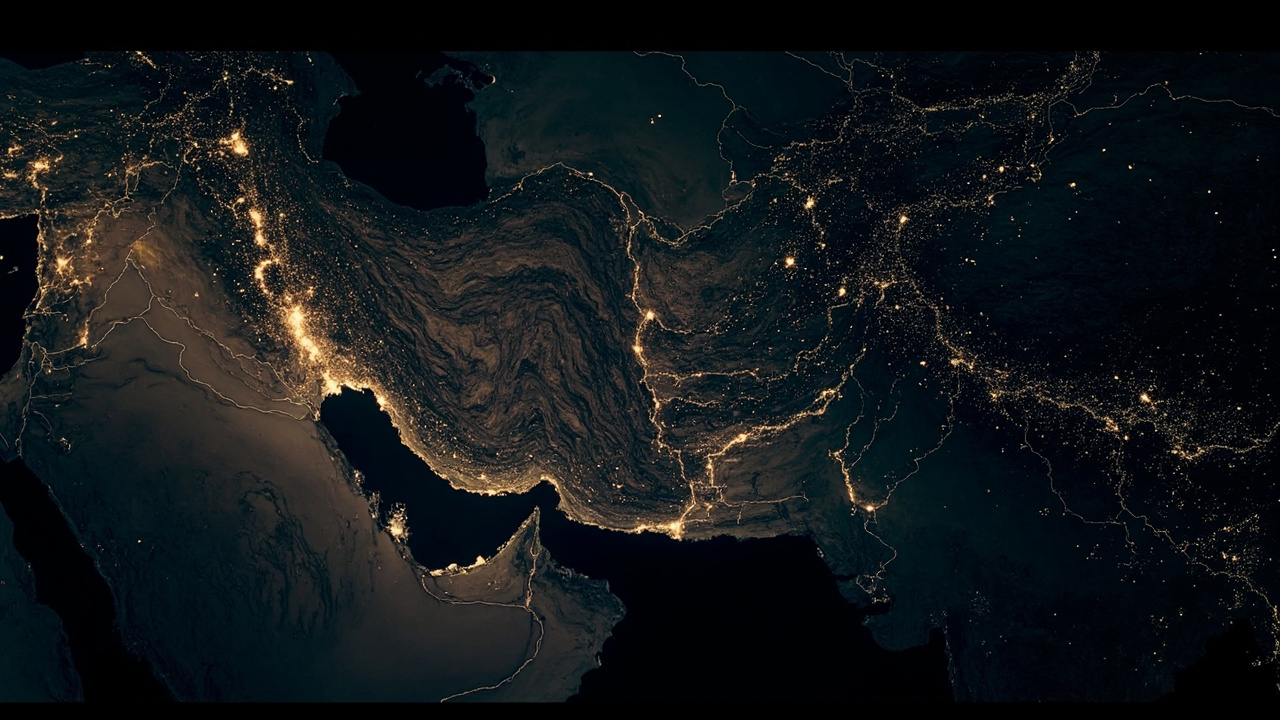
On February 28, the day US-Israeli strikes began, Iran's internet traffic dropped to approximately one percent of normal levels and has stayed there. [1] The New York Times reported on March 18 that the government has maintained a near-total blackout for its 92 million citizens across three weeks of war. [2] NetBlocks confirmed the shutdown entered its twentieth day on March 19 with no restoration in sight. [3]
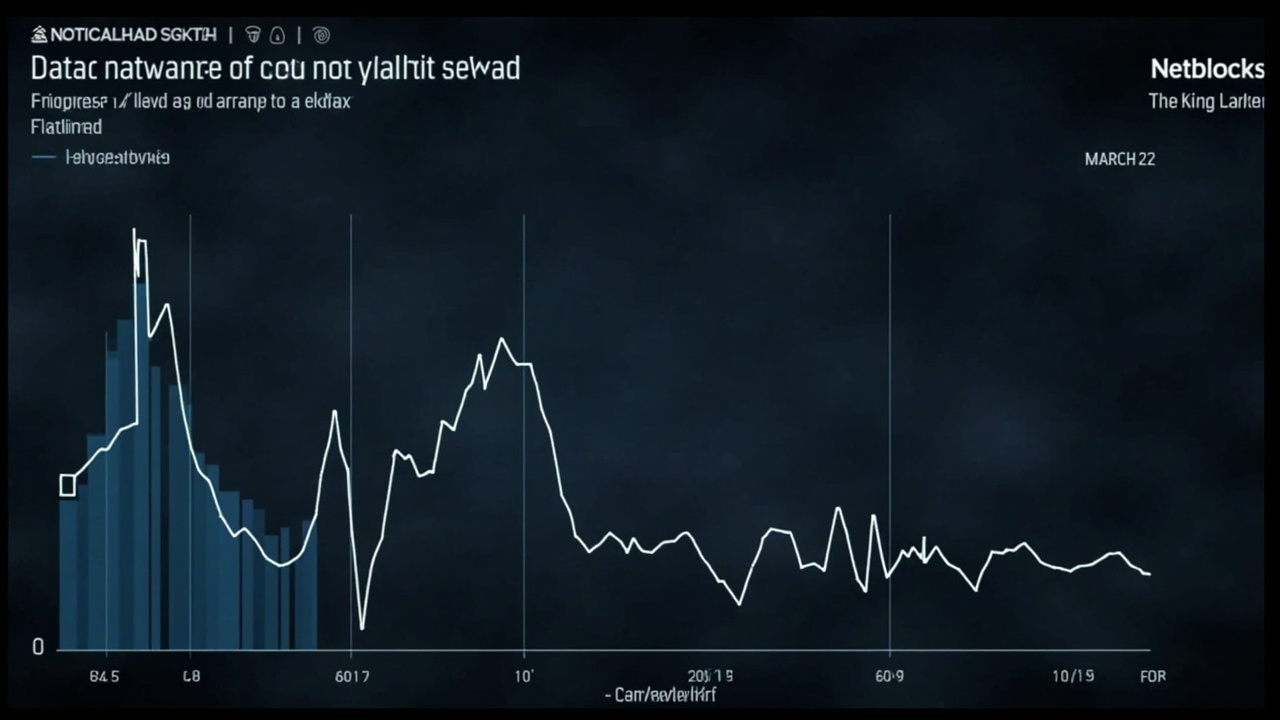
The current shutdown dwarfs prior precedents. The Economic Times reported that Iran had spent 240 hours in blackout since January 1 — roughly one-third of the year. [4] Human Rights Watch called it a violation of international law that silences civilian voices when documentation of the war's human cost matters most. [5] Iran International reported that authorities have tightened further, targeting VPN connections and hunting Starlink terminal users. [6]
Ninety million people cannot call out. The war's Iranian civilian story is being told by people who escaped the blackout — not those living inside it.
-- DAVID CHEN, Beijing
Sources & X Posts
News Sources