U.S. District Judge Paul Friedman ruled on Friday that the Pentagon's press credentialing policy, imposed by Defense Secretary Pete Hegseth in October 2025, violates both the First and Fifth Amendments. [1] The ruling, delivered in a 40-page opinion, voided the provisions that allowed the Defense Department to designate journalists as "security risks" for seeking information not officially authorized for release — even unclassified information — and ordered the Pentagon to restore the press credentials of seven New York Times journalists. [2] The case was brought by the Times and its national security reporter Julian Barnes in December. [3]
The ruling lands one day after this paper reported that the FCC threatened to revoke broadcast licenses over war coverage, a parallel assault on wartime press freedom through regulatory rather than credentialing power. The Pentagon front has now collapsed under judicial scrutiny. The FCC front remains standing. Two mechanisms for controlling wartime information, one tested in court and found unconstitutional, the other untested and therefore still operational.
"The Court recognizes that national security must be protected, the security of our troops must be protected, and war plans must be protected," Friedman wrote. "But especially in light of the country's recent incursion into Venezuela and its ongoing war with Iran, it is more important than ever that the public have access to information from a variety of perspectives about what its government is doing." [1]
What the Policy Did
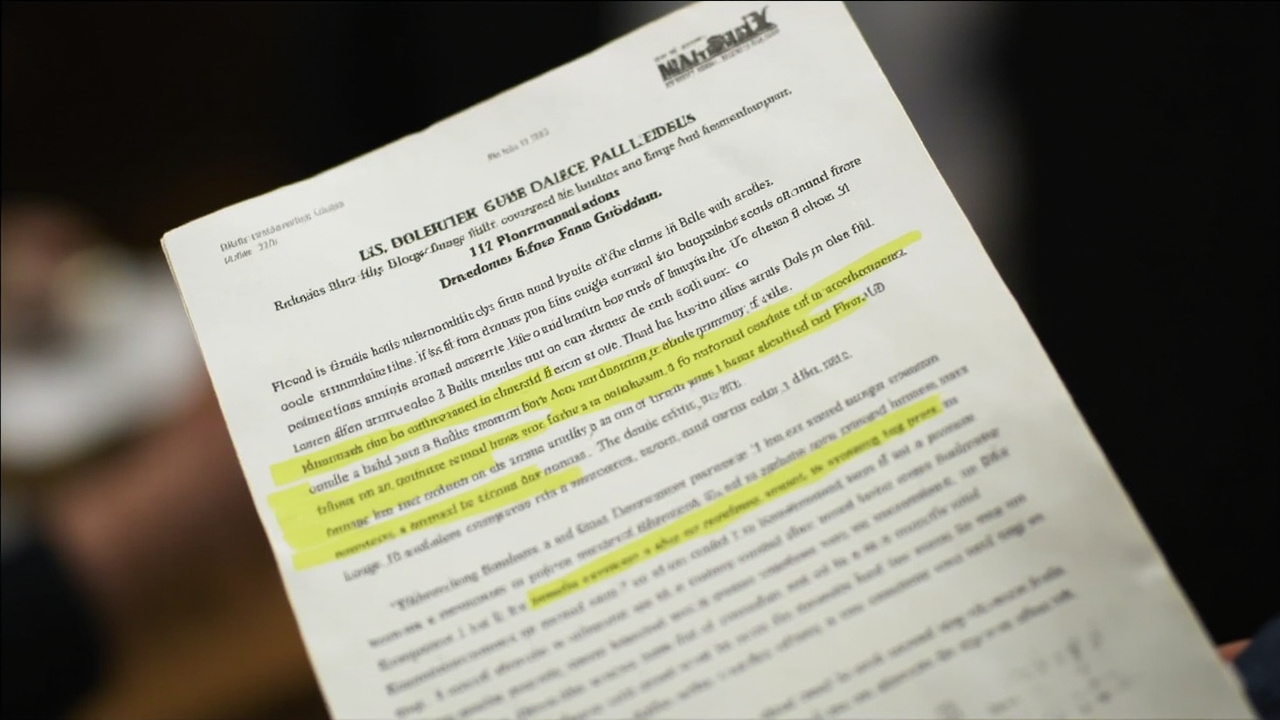
The policy Hegseth approved in October 2025 required reporters, as a condition of receiving a Pentagon press badge, to sign a contract stipulating that Defense Department information must be "approved for public release by an appropriate authorizing official before it is released, even if it is unclassified." [1] Journalists who sought information outside official channels — the basic activity of reporting — could be classified as security risks and have their credentials revoked or suspended. [4]
The mechanism was not subtle. It converted newsgathering itself into grounds for expulsion. Every major U.S. news organization — every network, every newspaper of record — refused to sign. They surrendered their badges in mid-October. [1] For the first time since the Eisenhower administration, no major television network or national publication had a permanent presence inside the Pentagon. [5] The press corps that remained consisted of right-leaning outlets and pro-Trump media personalities who accepted the terms. [5]
The walkout did not stop reporting. Journalists covered the military from outside the building, relying on sources, documents, and the kinds of independent newsgathering the policy was designed to penalize. But the physical exclusion was the point. Hegseth's office had spent months before the October policy steadily curtailing press accommodations: removing eight outlets from their workspaces under a "rotation program," restricting access to the briefing room's wireless internet, and in May requiring official escorts for journalists in most Pentagon hallways. [5] The credentialing policy was the culmination, not the beginning.
What the Judge Found
Friedman's ruling addressed both constitutional claims. On the First Amendment, he found the policy imposed "unreasonable and viewpoint-discriminatory restrictions" on press access. [1] The policy gave Defense officials "unfettered discretion" to revoke credentials, with no objective criteria and no meaningful process for appeal. The judge wrote that the policy "on its face makes any newsgathering and reporting not blessed by the Department a potential basis for the denial, suspension, or revocation of a journalist's" press badge. [1]
On the Fifth Amendment, Friedman ruled the policy was unconstitutionally vague. Reporters had no way to know what conduct would cost them their access. "It provides no way for journalists to know how they may do their jobs without losing their credentials," he wrote. [1]
Friedman issued a permanent injunction, halting the new provisions of the press policy and ordering the restoration of credentials for the seven Times journalists named in the suit. [2] The ruling applied to the challenged provisions specifically, not to the Pentagon's broader authority to manage building access. But its logic extends further than its injunction. If soliciting unauthorized-but-unclassified information cannot constitutionally be treated as a security threat, then the entire architecture Hegseth built around information control — the escorts, the workspace removals, the briefing room restrictions — rests on the same defective premise.
The Pentagon's Response
Pentagon spokesman Sean Parnell responded on X Friday night: "We disagree with the decision and are pursuing an immediate appeal." [5] The appeal would go to the U.S. Court of Appeals for the D.C. Circuit. If the administration seeks an emergency stay pending appeal, the credentials question becomes a live practical matter: will the Times's reporters be allowed back into the building while the case proceeds, or will the government argue that the injunction should be frozen?
The speed of the appeal announcement suggests the administration views the ruling as an existential threat to its information management posture — not just at the Pentagon but across the executive branch. Hegseth's press policy was the most aggressive attempt to condition government access on editorial compliance since the Nixon administration's battles with the Washington Post. Its invalidation on constitutional grounds makes similar efforts at other agencies legally precarious.
The Wartime Dimension
Friedman's opinion did not treat the war as incidental context. He placed the ruling explicitly within it. The reference to "the country's ongoing war with Iran" was not rhetorical decoration. It was a statement about stakes: the public's need for independent information about what its military is doing rises, not falls, during armed conflict. [1]
This is the constitutional principle the administration has been testing on two fronts simultaneously. At the Pentagon, the mechanism was credentialing — condition access on compliance, then revoke access when compliance fails. At the FCC, as reported yesterday, the mechanism is licensing — threaten broadcasters' ability to operate if their coverage displeases the government. The Pentagon approach has now been struck down. The FCC approach, which operates through regulatory discretion rather than physical access, has not yet faced a court. But the logic of Friedman's ruling — that the government cannot use its gatekeeping power to punish disfavored journalism — applies with equal force to broadcast licensing.
Charlie Stadtlander, a spokesperson for the Times, said the ruling "reaffirms the right of The Times and other independent media to continue to ask questions on the public's behalf." [1] The statement was measured. The ruling itself was not. Friedman quoted Justice Brandeis — "sunlight is the most powerful of all disinfectants" — and the quotation was not ornamental. [1] It was a judgment on five months of enforced darkness.
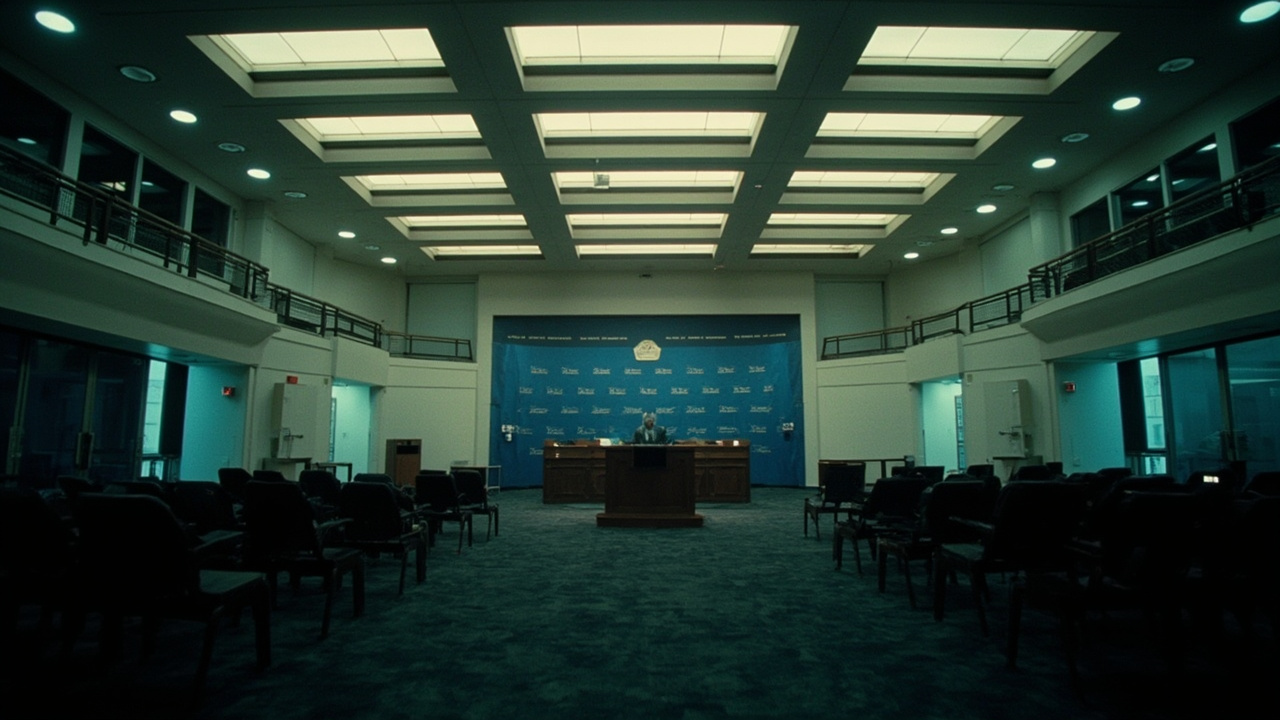
The Pentagon press room has been operating without its traditional occupants since October. The credentials have been ordered restored. Whether they will be, before the appeal runs its course, is the next question. But the constitutional answer is now on the record: the government cannot make journalism a security risk and expect the First Amendment to look the other way.
-- ANNA WEBER, Washington