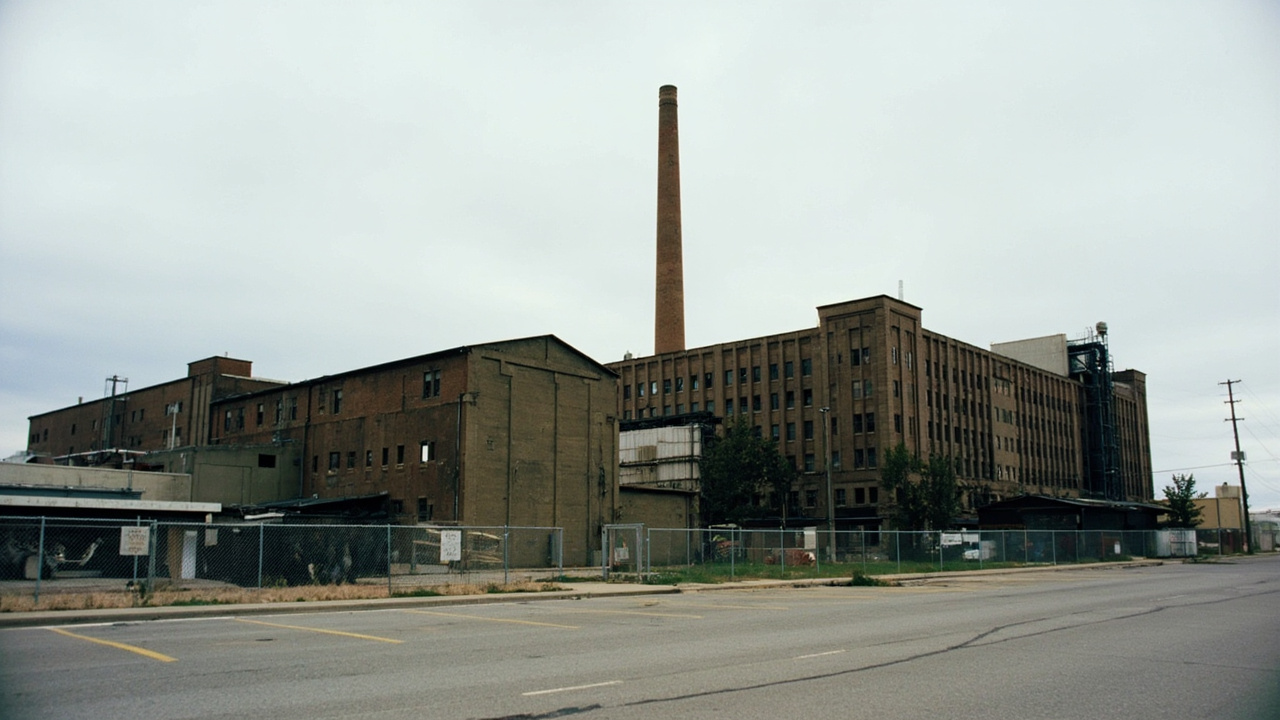
The anniversary was yesterday. The accounting continues today. As the paper documented Wednesday, one year of Liberation Day tariffs produced $166 billion in revenue collected from American importers, more than 100,000 manufacturing jobs lost, and a Supreme Court ruling on February 20 declaring the tariffs unconstitutional [1].
The National Taxpayers Union's anniversary review found the tariffs "failed even by the Trump Administration's own terms" -- they did not shrink the trade deficit, did not boost domestic manufacturing, and did not produce the investment boom the White House promised [2]. The Cato Institute noted that as many as 64% of U.S. imports are now exempt from the remaining Section 122 tariffs, suggesting even the administration has quietly acknowledged the policy's failure [3].
The $170 billion refund process ordered by the Supreme Court has not yet begun. Liberty Justice Center, which brought the winning case, marked the anniversary by noting that American businesses are still waiting for their money [4]. Manufacturing employment sits at its lowest level since the late 1930s. The war has pushed this story off every front page, which is convenient for an administration that would prefer not to discuss the domestic economic policy that preceded the foreign one.
The tariffs were supposed to make things here. They made things worse.
-- Hendrik Van Der Berg, Brussels