TL;DR
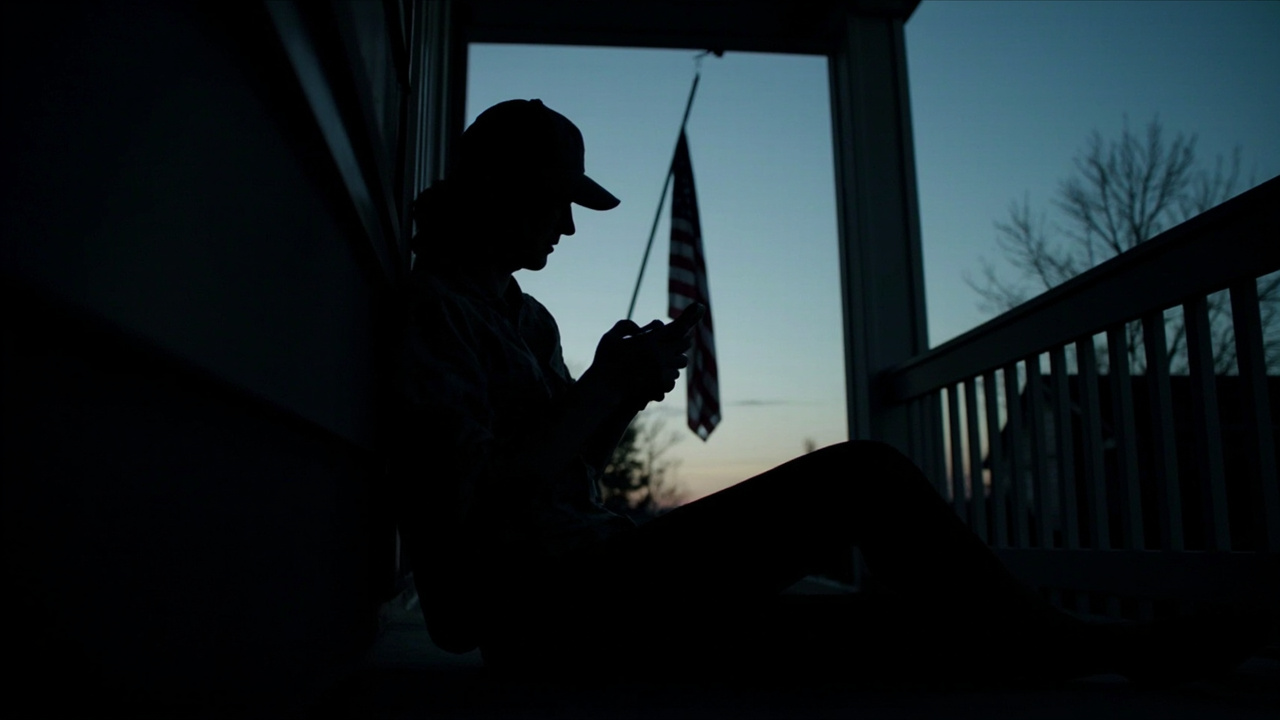
Leaked Pentagon plans for a ground invasion of Iran have plunged more than two million military family members into a state of quiet, sustained dread.
MSM Perspective
Reuters broke the reinforcement story, TIME argued the support gap is a 'patriotism deficit,' and the LA Times channeled Camp Pendleton families fearing another forever war.
X Perspective
Military family accounts on X are circulating OPSEC reminders and mutual-aid threads, oscillating between patriotic resolve and raw fear of another open-ended deployment.
The Pentagon's ground-invasion planning for Iran is no longer a closely held secret. Reuters reported this week that the United States is weighing significant military reinforcements — including at least 2,500 Marines — as the conflict enters what officials describe as a "possible new phase" [1]. For the roughly two million spouses, children, and parents tethered to active-duty service members, the leak translated an abstract strategic debate into something visceral: the near-certainty that someone they love will be sent into a land war.
At bases along the Virginia tidewater, VPM found families already deep into the rituals of deployment preparation — updating wills, pre-recording birthday messages, stockpiling frozen meals [2]. The USS Gerald R. Ford carrier strike group had departed Norfolk weeks earlier; Army and Air National Guard units were on short-notice recall. "You learn to function on two tracks," one Navy spouse told VPM. "Normal life on top, terror underneath."
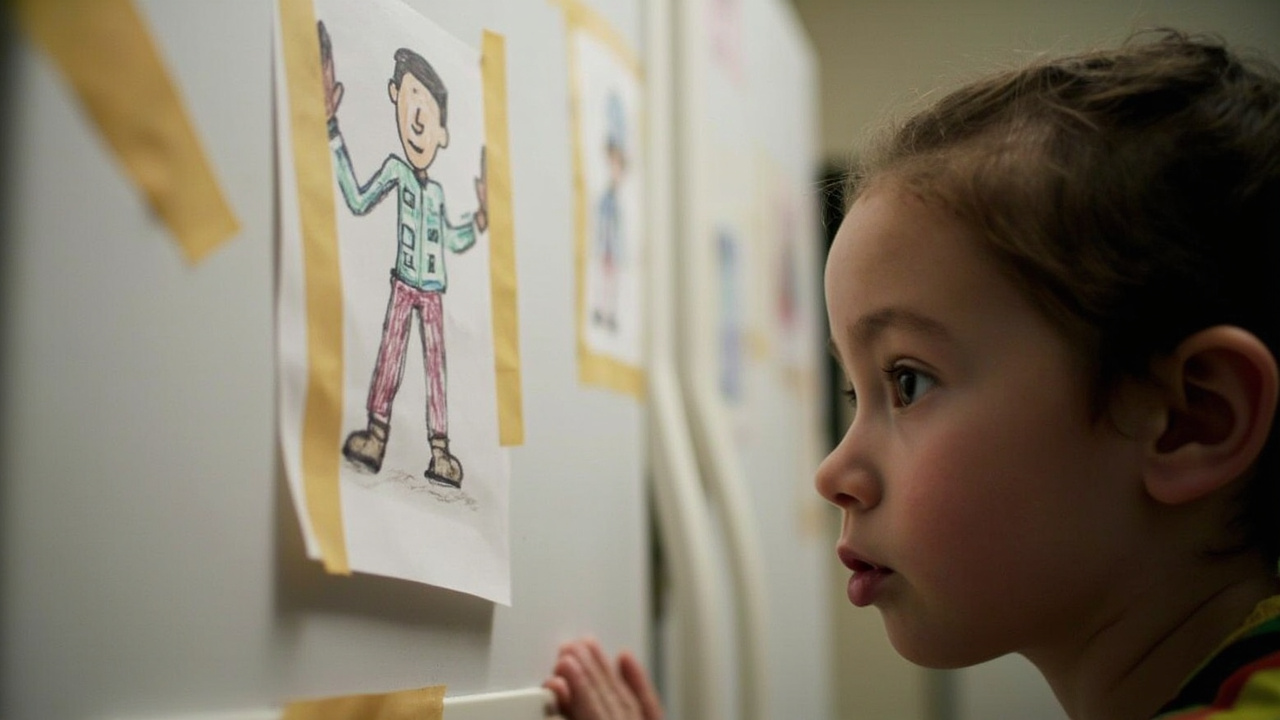
That bifurcation is the defining texture of wartime domesticity. The War Horse, in a deeply reported feature titled "Inside the Wait for War," described households where spouses monitor flight-tracking apps and parse Pentagon press briefings for subtext, all while packing school lunches and feigning calm at the dinner table [3]. The operational-security regime compounds the isolation: service members cannot say where they are going, when they will arrive, or what they will do. Families are left to decode silences.
The emotional geography stretches coast to coast. In California, the LA Times documented families at Camp Pendleton and Twentynine Palms who fear "another forever war" — a phrase that carries two decades of bitter resonance [5]. In Boston, the Herald found a community that is "anxious about the unknowns" yet "proud of their service members," a duality that resists easy resolution [6]. In Houston, Click2Houston quoted a mother of three whose husband deployed in the first wave of strikes: "Moms are afraid. We don't say it out loud because we don't want to scare the kids, but we are afraid" [8].
TIME's op-ed on supporting military families argued that the nation's gratitude infrastructure — yellow ribbons, airport applause — is woefully mismatched to the scale of need [4]. Childcare on bases is underfunded. Mental-health wait times stretch months. Employment protections for spouses who relocate every two years remain thin. The essay called the gap between rhetoric and resources "a patriotism deficit."
The BBC, surveying opinion across several bases, found no consensus on the war's justification but near-universal agreement on one point: the families are bearing a disproportionate share of its weight [7]. One Air Force wife in Oklahoma put it plainly: "They signed up. We didn't. But we serve too."
On social media, military family networks have shifted into operational mode. The Military Family Advisory Network urged followers to observe strict OPSEC — no troop locations, no unit movements, no deployment timelines — while simultaneously organizing care packages and emergency-contact trees. The tone is competent and quietly terrified.
What distinguishes this moment from the early days of Afghanistan or Iraq is the speed of the information cycle and the porousness of official secrecy. Families no longer wait for a knock at the door; they watch Reuters push notifications. The leak of ground-invasion plans did not shock military households so much as confirm what they had already intuited from the cadence of goodbye calls and the sudden unavailability of their service members. The war had come for them before the Pentagon admitted it.
-- LUCIA VEGA, Mexico City
Sources & X Posts
News Sources