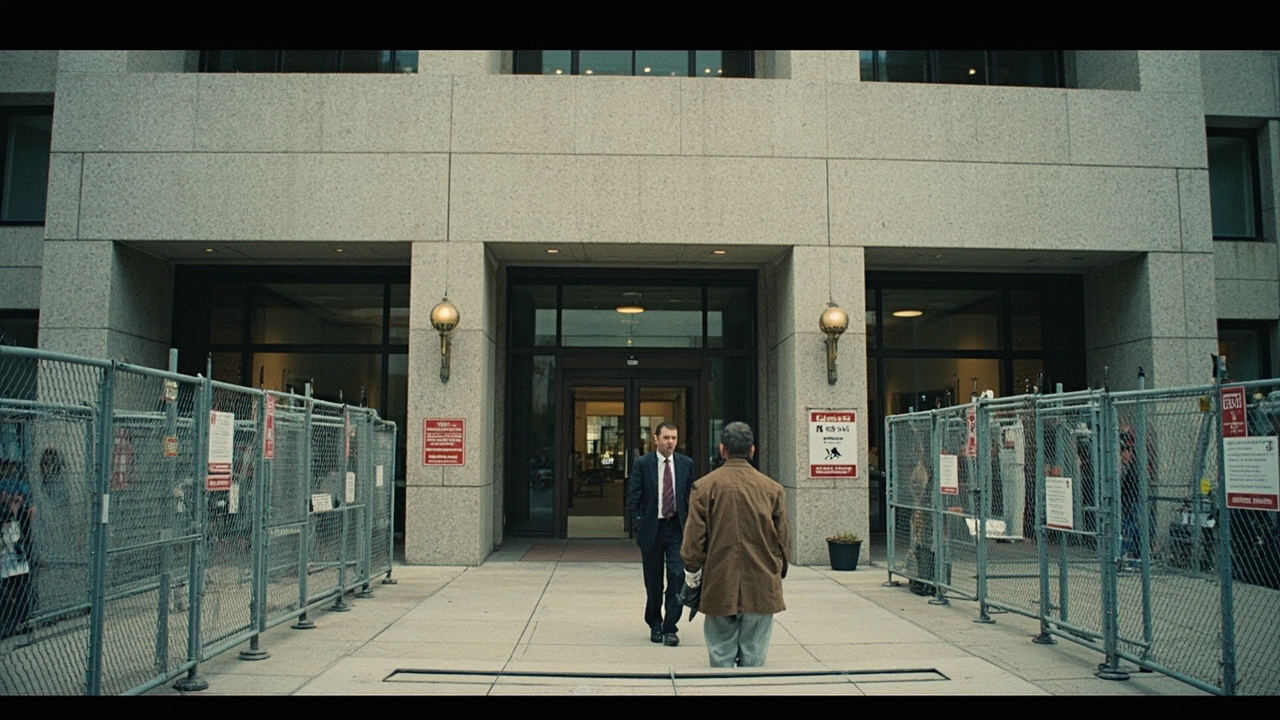
The Pentagon's Correspondents' Corridor -- the workspace where journalists have reported on the American military for decades -- has been closed for 11 days. As the paper reported on March 31, the closure came days after U.S. District Judge Paul Friedman ordered the Department of Defense to restore press credentials and stop screening reporters based on their coverage [1].
The Pentagon's response was a case study in malicious compliance. It restored credentials. It stopped overt screening. Then it closed the corridor entirely and moved reporters to an external annex facility that press organizations describe as a "glorified waiting room" [2]. Journalists may enter the Pentagon for scheduled briefings and interviews, but they must be escorted. The informal access -- walking the halls, catching officials between meetings, building sources over years of proximity -- is gone.
Judge Friedman held a hearing on March 30 and appeared skeptical of the Pentagon's claims of compliance [3]. The Pentagon Press Association condemned the new policy. Reuters reported the judge questioned whether the restrictions met the spirit of his order [4]. Press groups including Axios and DW documented the pattern: a court orders access restored, and the government narrows access by a different mechanism.
During a war, the building where war decisions are made has shut reporters out. The corridor remains dark.
-- Anna Weber, Berlin