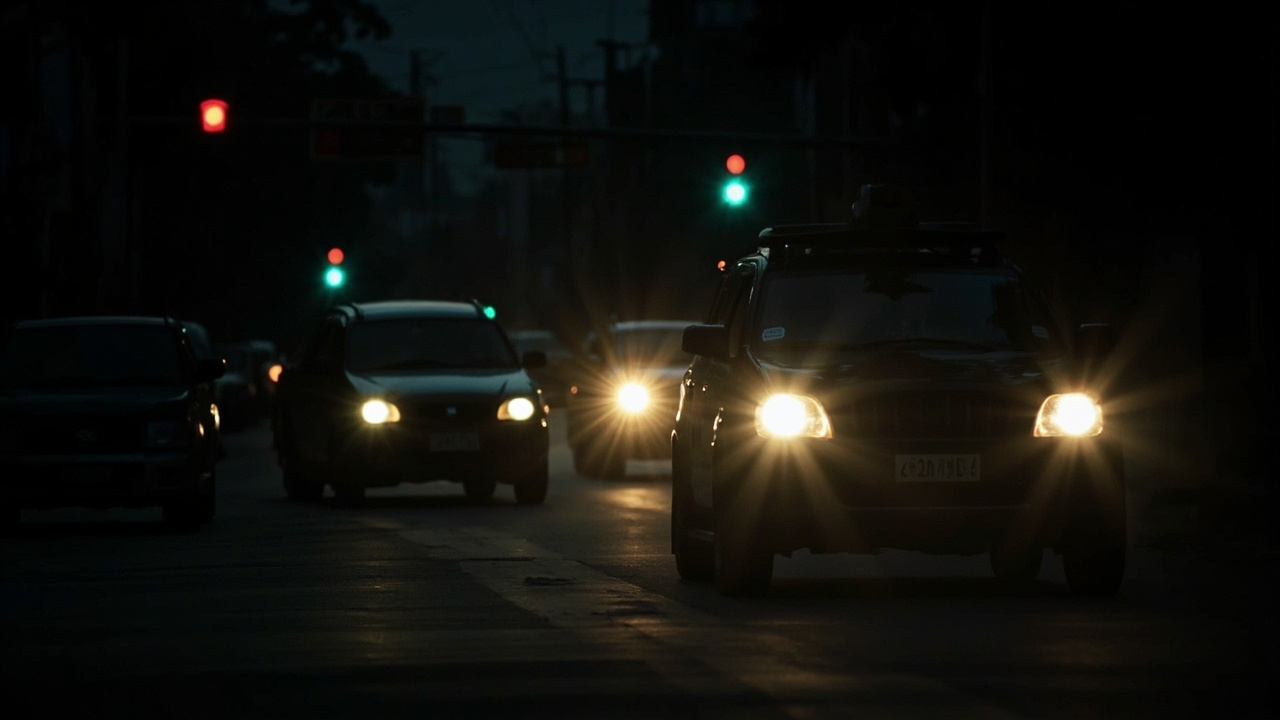
The national energy emergency declared by President Ferdinand Marcos Jr. on March 25 remains in effect [1]. As this paper has tracked since March 29, the Philippines' fuel reserves hover around 45 days — enough to avoid immediate collapse, not enough to restore normalcy. Rotating brownouts continue across Luzon, the Visayas, and Mindanao [2].
Government agencies have shifted to a four-day workweek and must cut fuel and electricity use by 10 to 20 percent [3]. On March 26, a critical shipment of 142,000 barrels of diesel arrived from non-Gulf sources — a lifeline, but one that represents less than a single day of national consumption [4].
The Department of Energy told the Senate on March 24 that the oil situation "will not lead to power outages," a statement the subsequent week of brownouts has not supported [5]. The gap between official reassurance and lived experience is widening. In Manila, traffic signals go dark during brownout rotations. In the provinces, the blackouts last longer.
The Philippines imports approximately 50 percent of its energy. The Strait of Hormuz closure did not create a new vulnerability. It exposed an old one. The brownouts are a reminder that energy independence is not an aspiration in Manila — it is arithmetic.
-- Priya Sharma, Delhi