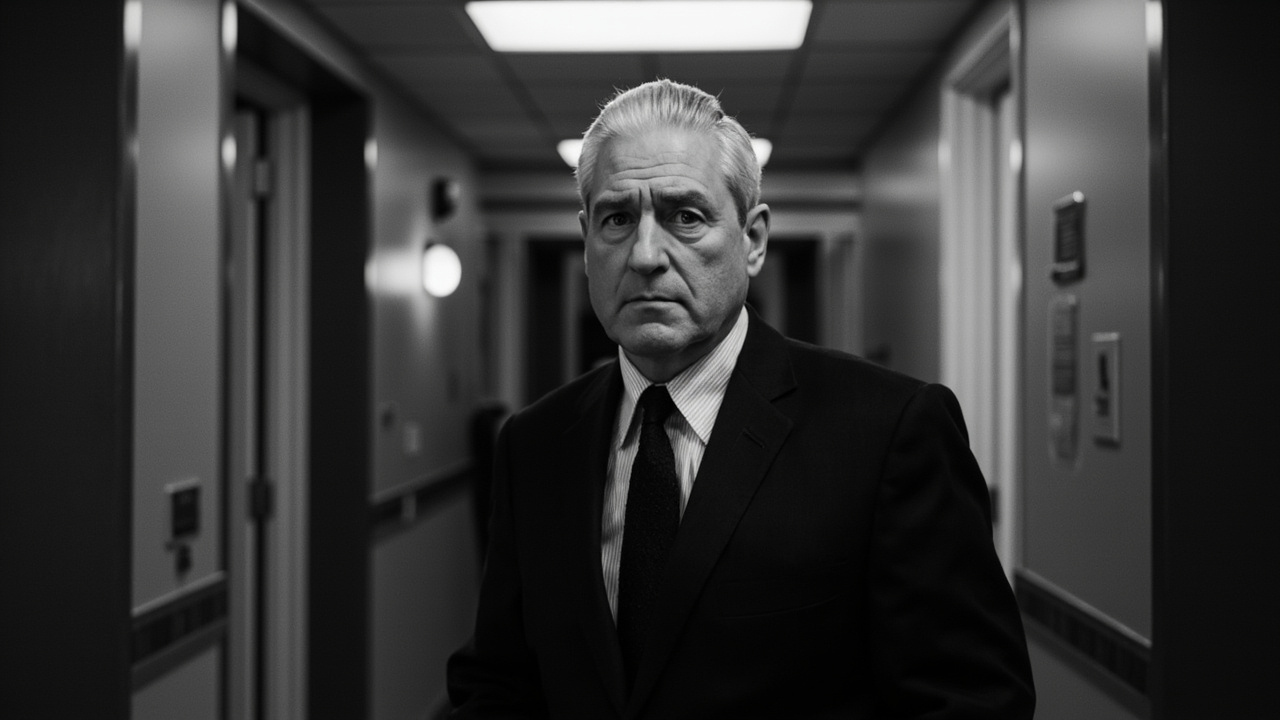
Robert Swan Mueller III died on March 20 in Charlottesville, Virginia. He was 81. [1] He had served as the sixth director of the Federal Bureau of Investigation for twelve years — the second-longest tenure in the agency's history — and later as the special counsel who investigated Russian interference in the 2016 presidential election and possible coordination with the campaign of Donald Trump. [2]
Trump responded on Truth Social within minutes of the news: "Robert Mueller just died. Good, I'm glad he's dead. He can no longer hurt innocent people!" [3]
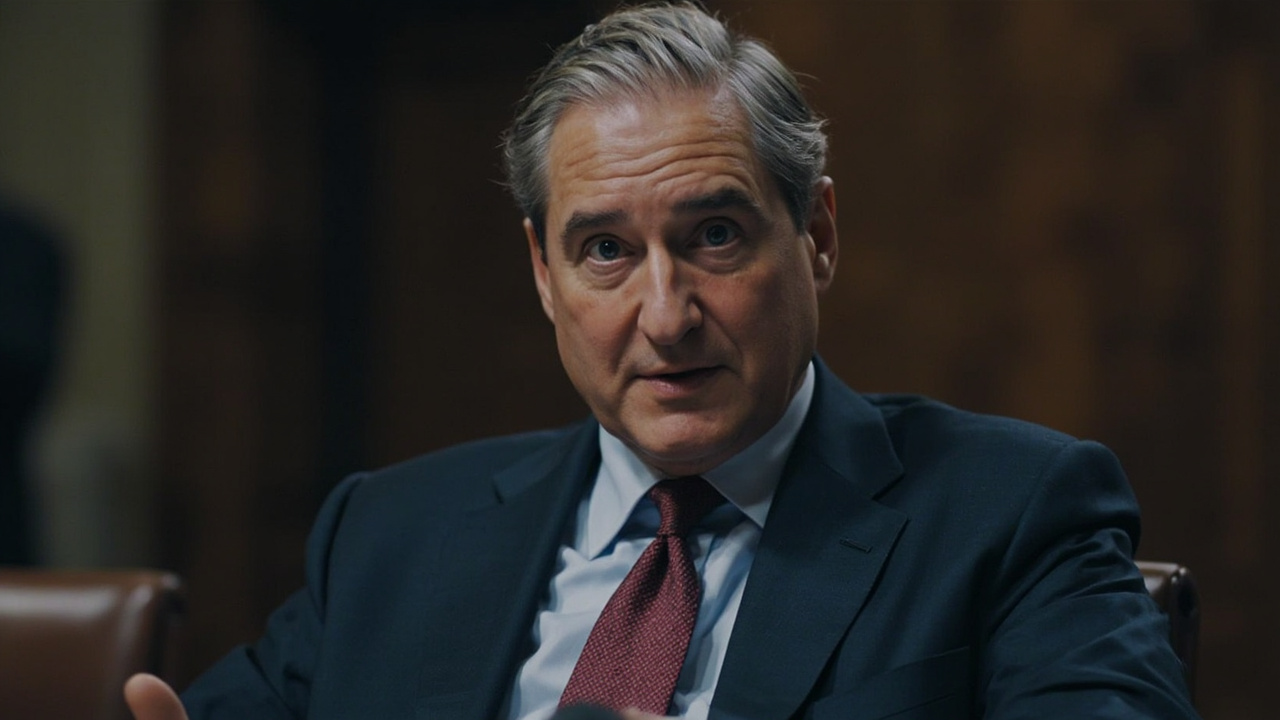
The two sentences function as a kind of epitaph, not for Mueller but for the distance between two conceptions of public life. Mueller, a Princeton graduate and Marine Corps officer who earned a Bronze Star and Purple Heart in Vietnam, built a career on the premise that institutions function when individuals subordinate themselves to process. [4] Trump, the man Mueller investigated, has built his on the opposite premise. Neither man changed the other's mind. But one of them is president, and the other is dead, and the president wanted to make sure you knew which outcome he preferred.
Mueller took over the FBI one week before September 11, 2001. He transformed the bureau from a law-enforcement agency focused on domestic crime into a counterterrorism and intelligence organization, a restructuring that defined American domestic security for two decades. [5] He was appointed by George W. Bush, a Republican, and his term was extended by Barack Obama, a Democrat — a bipartisan vote of confidence that now reads like a dispatch from a country that no longer exists.
The special counsel appointment came in May 2017, after Trump fired FBI Director James Comey. Deputy Attorney General Rod Rosenstein selected Mueller, and for nearly two years the investigation consumed Washington. The Mueller Report, released in April 2019, documented extensive Russian interference and multiple contacts between Trump campaign officials and Russian operatives. It produced 37 indictments. [6] It did not establish a criminal conspiracy between the campaign and the Russian government. It did not exonerate the president on obstruction of justice, stating explicitly that "while this report does not conclude that the President committed a crime, it also does not exonerate him." [7]
That ambiguity — damning enough to sustain outrage, insufficient to compel consequences — defined Mueller's legacy in political terms. He investigated, he documented, he deferred to Congress. Congress did not act. Trump was acquitted in his first impeachment trial. The investigation found what it found, and nothing stopped.
Mueller largely withdrew from public life after the investigation. He made one congressional appearance in July 2019 that was widely described as halting. He did not write a memoir. He did not do a podcast. He did not join a cable network as a contributor. In an era that rewards self-promotion, Mueller declined to promote himself — a choice that his admirers called principled and his critics called cowardly.
Obama issued a statement calling Mueller "a public servant of extraordinary integrity." [8] Former FBI officials described a leader who expected ninety-hour weeks and personal accountability. The Atlantic, in a piece published hours after Trump's reaction, observed that "Donald Trump is nothing like Robert Mueller" — a statement so obvious it functioned as a kind of eulogy. [9]
Mueller is survived by his wife, Ann, and their two daughters. The cause of death was not immediately disclosed.