TL;DR
Secretary of State Marco Rubio is threatening an $8/barrel surcharge on Iranian oil if Tehran proceeds with its Hormuz toll system.
MSM Perspective
MSM frames this as a negotiating lever. X frames it as an admission of failure.
X Perspective
X notes Rubio 'whines' that Iran is 'permanently controlling' Hormuz and charging a toll — while admitting US is 'powerless to stop it.'
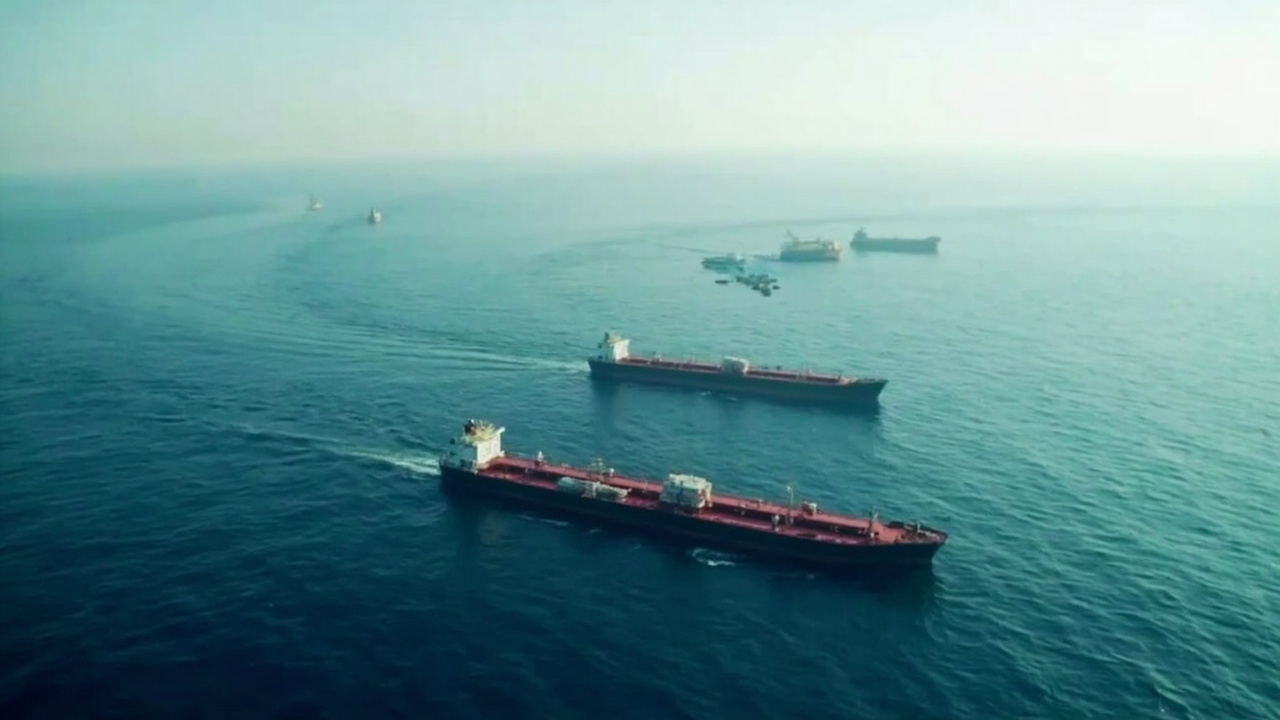
Secretary of State Marco Rubio told reporters on Friday that the United States would impose an $8-per-barrel surcharge on Iranian oil exports if Iran proceeds with its plan to levy tolls on vessels transiting the Strait of Hormuz. [1] The threat is the latest move in a weeks-long standoff that has transformed the world's most critical oil chokepoint from an open transit route into a toll road administered by a government at war with the United States and Israel.
The paper reported today that Friday's $101.40 close suggests the market no longer believes the resolution path.
The toll plan, first reported by this paper and confirmed by multiple intelligence sources, operates through Chinese intermediary companies that process payments in yuan. [2] Iran shifted from threatening to close the strait entirely to administering who uses it — and collecting fees from those who do. The fees are not trivial: at current traffic levels, even a $1 per barrel surcharge would generate tens of millions of dollars weekly from the 1.5 million barrels a day still flowing through the strait. [3]
Rubio's surcharge threat is designed to make Iranian oil more expensive for Chinese buyers, who have continued purchasing Iranian crude despite American sanctions. The calculation is straightforward: if the all-in cost of Iranian oil rises high enough, Chinese refiners will转向 other suppliers. The problem with this logic, analysts note, is that the same surcharge also raises the cost of all Gulf oil — because the strait's closure has made the Cape of Good Hope route the market's price signal, not Iranian policy alone. [4]
Ian Bremmer, writing on X, noted that Iran continues to export oil through the strait at approximately 1.5 million barrels per day, at significantly higher prices than before the war. [5] The toll revenue is supplementing what sanctions had already reduced. The surcharge, in this reading, would raise everyone's costs — including American allies in Saudi Arabia and the UAE who transit the same water.
Goldman Sachs has estimated the war premium in oil at $25 to $32 per barrel. [6] Rubio's surcharge would add to that premium if Iran proceeds — or would trigger the very Cape routing that shipping companies are already exploring. The $8 figure may be a negotiating position. The structural repricing of Gulf energy is already underway.
-- HENDRIK VAN DER BERG, Brussels
Sources & X Posts
News Sources
X Posts