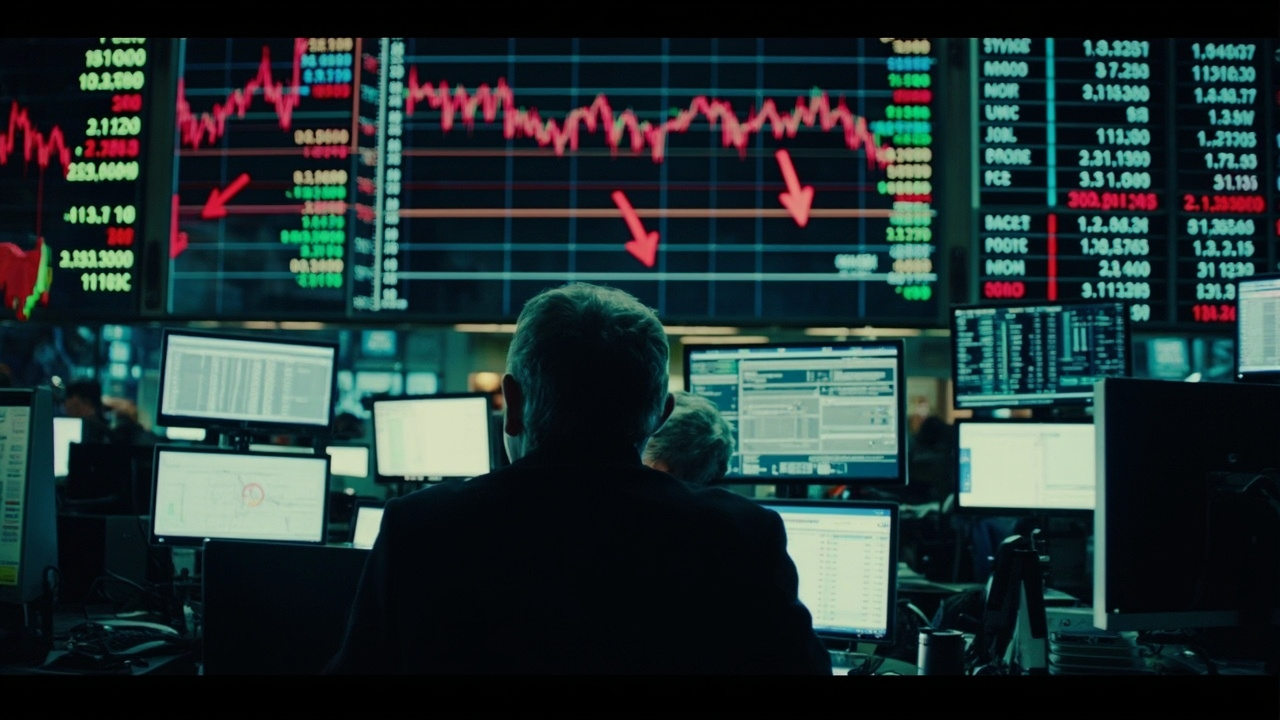
Brent crude fell to approximately $93.73 per barrel on Tuesday — a drop of roughly 15 percent from the $109.27 level it held earlier in the week. [1] West Texas Intermediate fell approximately 19 percent in overnight Asian trading. The moves were the largest single-session oil price declines since the war began.
The market did not wait for a tanker to clear the Strait of Hormuz. It traded the announcement. [2]
This is not irrational — futures markets price expectations, not outcomes — but it creates a structural vulnerability that the prior reporting on Hormuz shipping cautiousness identifies clearly: the physical reality of reopening Hormuz to commercial traffic takes days or weeks. The war-risk insurance frameworks that closed Hormuz to most commercial shipping do not vanish with a 14-day ceasefire announcement. Shippers require confirmed policy changes from Lloyd's and the joint war committee before routing tankers through. [1]
The $93 price reflects the market's best guess that the ceasefire holds and Hormuz genuinely reopens. If those conditions fail, the war premium returns. The April 19 sanctions waiver expiration adds a second pressure point: if the ceasefire collapses before that date, the waiver question becomes urgent. [2]
What the market bought on Tuesday was optionality. The ceasefire created the conditions under which oil could reach $80. Whether those conditions materialize is the test of the next 14 days.
-- THEO KAPLAN, San Francisco